
Bands & artists like Carl Orff
If you like Carl Orff, these artists play in similar sounds, ideas, or styles. Use this as a starting point to branch out and find something new to listen to.
New to Carl Orff? Start with our listening guide.
Artists to try next

Igor Stravinsky
GuideStravinsky's works often feature complex rhythms and dynamic orchestration, creating a similar driving intensity that compels movement.

Henryk Górecki
GuideGórecki's choral works evoke deep emotional resonance through layered melodies and rhythmic patterns, akin to Orff's style.


Carl Nielsen
GuideNielsen's symphonic compositions often blend vigorous rhythms and lyrical melodies, mirroring the energetic pulse found in Orff's music.


Leonard Bernstein
GuideBernstein's ability to fuse classical and popular styles with strong rhythmic elements creates an engaging sound reminiscent of Orff's work.


Arvo Pärt
GuidePärt’s minimalist approach combined with spiritual themes offers a meditative quality that can resonate with the emotional depth of Orff's pieces.

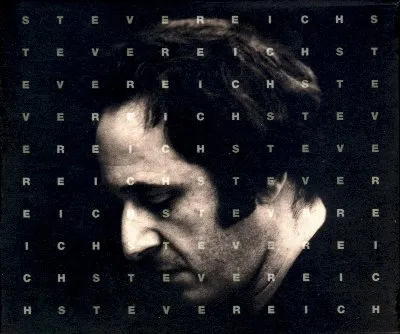
Steve Reich
GuideReich's exploration of repetitive structures and rhythmic patterns provides a contemporary parallel to the driving force in Orff’s compositions.

Dmitri Shostakovich
GuideShostakovich’s dramatic orchestration and rhythmic complexity evoke a similar sense of urgency and emotional depth found in Orff’s music.

Common questions
Who sounds like Carl Orff?
Artists similar to Carl Orff include Igor Stravinsky, Henryk Górecki, Carl Nielsen and Leonard Bernstein. Each shares elements of Carl Orff's sound while bringing their own perspective.
What genre is Carl Orff?
Carl Orff is primarily known for opera. Orff's music pulses with a driving rhythmic intensity, layering percussive elements against soaring melodies to create an immersive soundscape that compels movement.
Where should I start if I like Carl Orff?
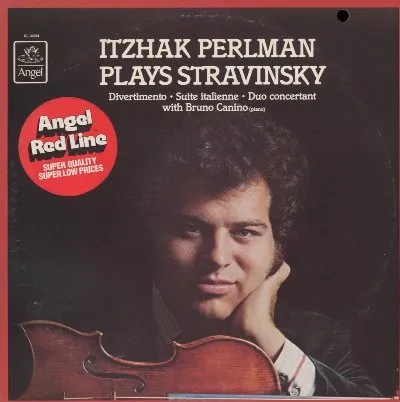
If you enjoy Carl Orff, start with Igor Stravinsky — their album "Stravinsky: Divertimento, Suite Italienne & Duo Concertant" is a great entry point. Stravinsky's works often feature complex rhythms and dynamic orchestration, creating a similar driving intensity that compels movement.