

Bands & artists like Ernest Chausson
If you like Ernest Chausson, these artists play in similar sounds, ideas, or styles. Use this as a starting point to branch out and find something new to listen to.
Artists to try next

César Franck
GuideStart here for the cyclic symphonic forms, chromatic harmony, and expansive orchestral climaxes that strongly shaped Chausson’s musical language.

Vincent d'Indy
His French late-Romantic symphonies pair dense, Franck-influenced harmony with broad, carefully unfolding orchestral arcs.

Albéric Magnard
Explore his symphonies for weighty orchestration, intricate harmony, and the serious, sweeping scale of French post-Romantic music.

Richard Wagner
GuideHis chromatic harmony and continuous, richly colored operatic writing illuminate the Wagnerian influence in Chausson’s music.

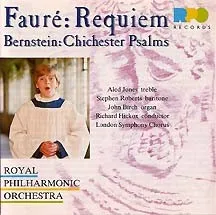
Gabriel Fauré
GuideHis refined French orchestral palette and supple, richly shifting harmonies offer a more intimate but closely related sound world.

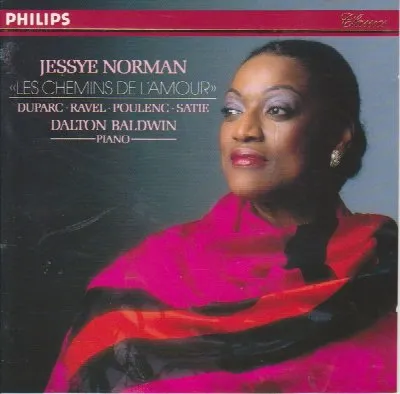
Henri Duparc
For a vocal counterpart to Chausson, hear his orchestral songs, where Wagnerian tension meets lush French lyricism.

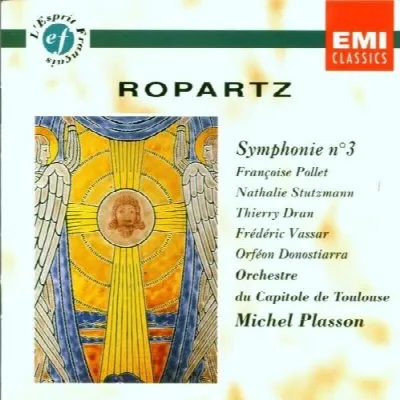
Guy Ropartz
His symphonies and orchestral works share the dense harmony, broad gestures, and distinctly French late-Romantic character of Chausson.

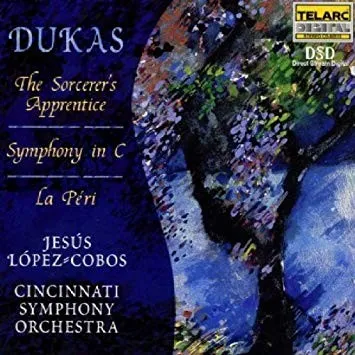
Paul Dukas
His polished, substantial orchestral writing combines chromatic richness with the sweeping dramatic shape found in Chausson’s larger works.
Common questions
Who sounds like Ernest Chausson?
Artists similar to Ernest Chausson include César Franck, Vincent d'Indy, Albéric Magnard and Richard Wagner. Each shares elements of Ernest Chausson's sound while bringing their own perspective.
What genre is Ernest Chausson?
Ernest Chausson is primarily known for opera and symphony. Chausson’s music resonates with rich harmonic density and sweeping orchestral movements that envelop the listener in a lush sonic embrace.
Where should I start if I like Ernest Chausson?
If you enjoy Ernest Chausson, start with César Franck — their album "Franck: Prélude, Choral et Fugue / Fauré: Nocturnes nos. 2 & 4 / Impromptu no. 2" is a great entry point. Start here for the cyclic symphonic forms, chromatic harmony, and expansive orchestral climaxes that strongly shaped Chausson’s musical language.