

Bands & artists like Gustav Holst
If you like Gustav Holst, these artists play in similar sounds, ideas, or styles. Use this as a starting point to branch out and find something new to listen to.
Artists to try next

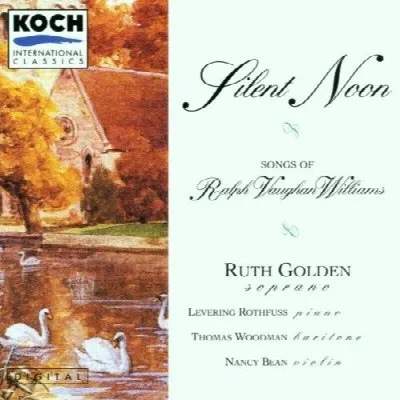
Ralph Vaughan Williams
Start here for English orchestral writing that pairs broad, luminous melodies with folk-inflected modes and a strong sense of landscape.

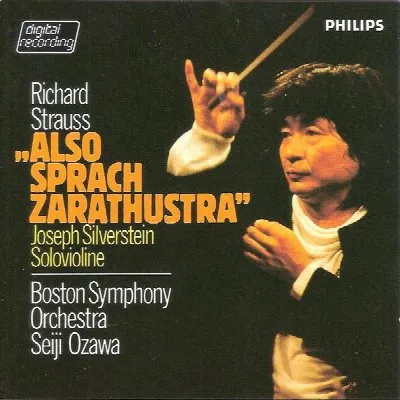
Richard Strauss
His expansive tone poems offer the same imposing brass, vivid orchestral colors, and celestial scale heard in Holst’s grandest works.

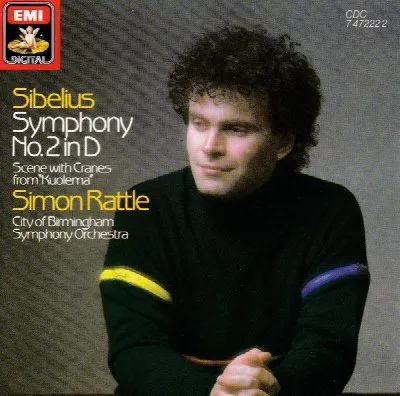
Jean Sibelius
GuideListen for sweeping themes built from compact rhythmic ideas, with a spacious, elemental atmosphere and powerful orchestral climaxes.

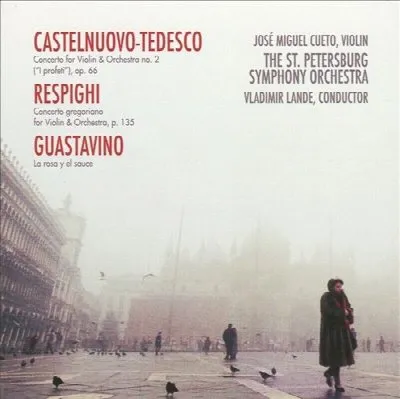
Ottorino Respighi
GuideHis richly colored orchestral suites combine pageantry, sharp rhythmic drive, and striking changes of mood.

Igor Stravinsky
GuideHis ballet scores bring propulsive, intricate rhythms and bold orchestral sonorities that make a compelling match for Holst’s dance-inspired works.

Edward Elgar
For stately English melodies, weighty brass, and sweeping orchestral passages with a ceremonial grandeur.

William Walton
His crisp, energetic orchestral writing balances muscular rhythms and brilliant brass with expansive lyrical moments.

Arnold Bax
Explore his lush, atmospheric orchestral music for sweeping melodic lines and a mysterious, almost mythic sense of scale.
Common questions
Who sounds like Gustav Holst?
Artists similar to Gustav Holst include Ralph Vaughan Williams, Richard Strauss, Jean Sibelius and Ottorino Respighi. Each shares elements of Gustav Holst's sound while bringing their own perspective.
What genre is Gustav Holst?
Gustav Holst is primarily known for classical, electronic and opera. With sweeping melodies layered over intricate rhythmic patterns, Holst's compositions create immersive experiences that pulse with both celestial majesty and earthly urgency.
Where should I start if I like Gustav Holst?
If you enjoy Gustav Holst, start with Ralph Vaughan Williams — their album "Silent Noon: Songs of Ralph Vaughan Williams" is a great entry point. Start here for English orchestral writing that pairs broad, luminous melodies with folk-inflected modes and a strong sense of landscape.