

Bands & artists like Joseph Haydn
If you like Joseph Haydn, these artists play in similar sounds, ideas, or styles. Use this as a starting point to branch out and find something new to listen to.
Artists to try next

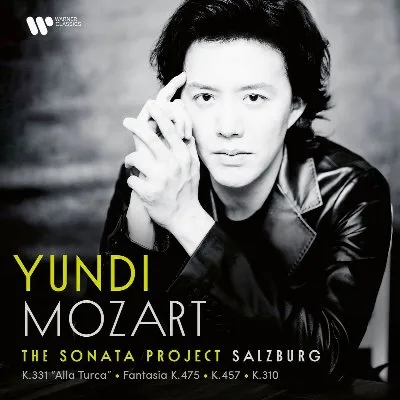
Wolfgang Amadeus Mozart
For crisp Classical-era phrasing, buoyant rhythmic surprises, and the same knack for making intricate forms feel effortlessly playful.

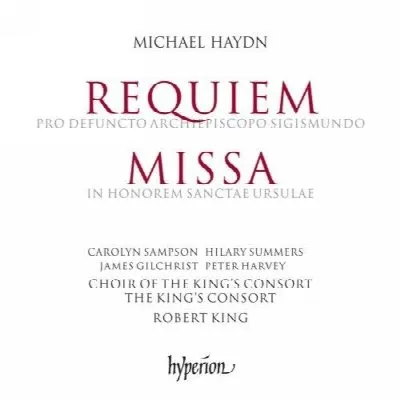
Michael Haydn
His symphonies and chamber works share Haydn’s clear, balanced textures and lively exchanges between instrumental voices.

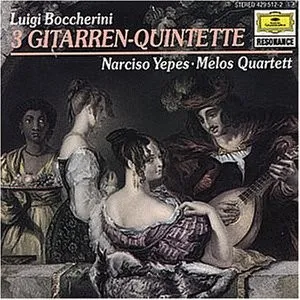
Luigi Boccherini
Try his chamber music for elegant melodies, nimble ensemble interplay, and quick shifts between graceful and spirited moods.

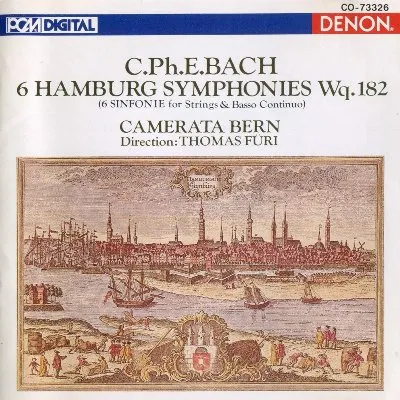
Carl Philipp Emanuel Bach
His keyboard and orchestral works use sudden dynamic turns and unexpected pauses to create a witty, more mercurial take on the Classical style.

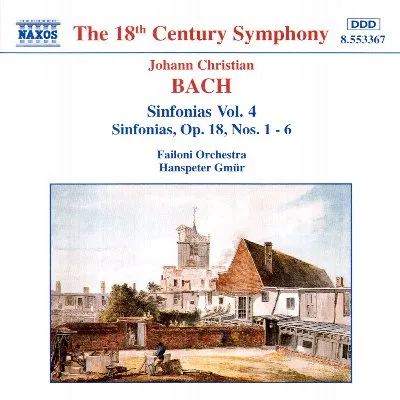
Johann Christian Bach
His polished symphonies and concertos offer clear melodies, buoyant rhythms, and the poised instrumental writing of Haydn’s era.

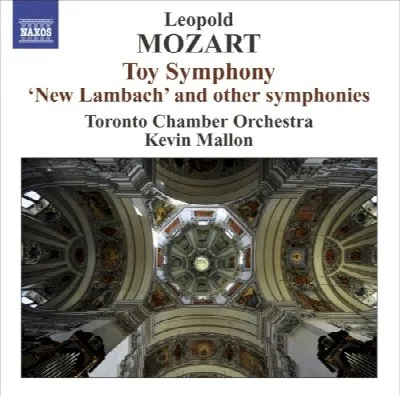
Leopold Mozart
His symphonies and divertimenti favor bright orchestral colors, concise forms, and light-footed rhythmic gestures.

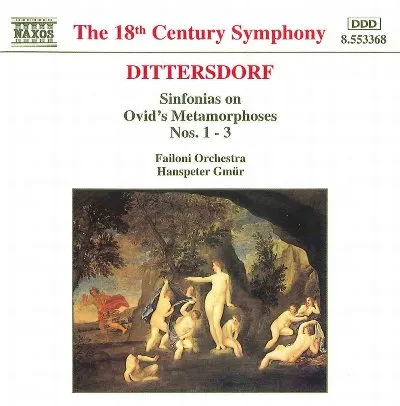
Carl Ditters von Dittersdorf
Look to his symphonies for Haydn-era orchestral wit, lively contrasts, and engaging exchanges among sections.

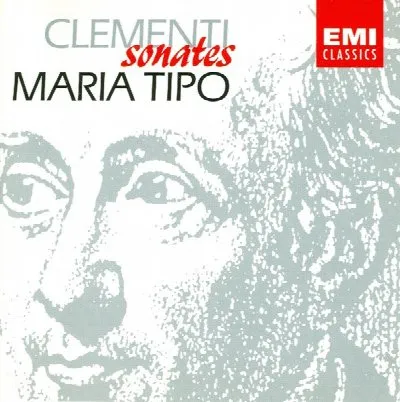
Muzio Clementi
His piano sonatas are full of crisp articulation, nimble passagework, and inventive turns within clean Classical forms.
Common questions
Who sounds like Joseph Haydn?
Artists similar to Joseph Haydn include Wolfgang Amadeus Mozart, Michael Haydn, Luigi Boccherini and Carl Philipp Emanuel Bach. Each shares elements of Joseph Haydn's sound while bringing their own perspective.
What genre is Joseph Haydn?
Joseph Haydn is primarily known for classical. Haydn's music moves with an intricate playfulness, characterized by shifting dynamics and clever rhythmic variations that challenge and delight the listener.
Where should I start if I like Joseph Haydn?
If you enjoy Joseph Haydn, start with Wolfgang Amadeus Mozart — their album "Mozart: The Sonata Project - Salzburg" is a great entry point. For crisp Classical-era phrasing, buoyant rhythmic surprises, and the same knack for making intricate forms feel effortlessly playful.