

Bands & artists like László Lajtha
If you like László Lajtha, these artists play in similar sounds, ideas, or styles. Use this as a starting point to branch out and find something new to listen to.
Artists to try next

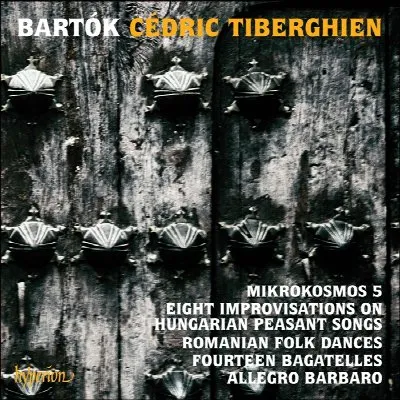
Béla Bartók
Start here for Hungarian folk-derived rhythms, sharply edged orchestral colors, and symphonic writing that moves between tension and release.

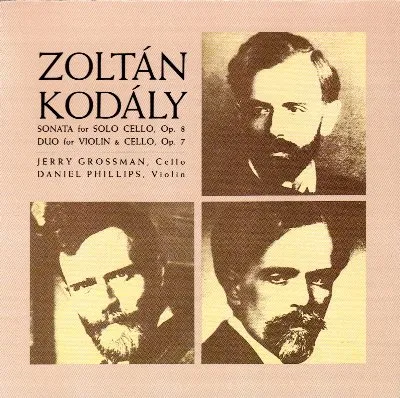
Zoltán Kodály
His richly voiced orchestral music shares Lajtha’s Hungarian folk roots and blends intricate rhythms with broad, lyrical passages.

Ernő Dohnányi
Explore his late-Romantic symphonies for lush orchestration and expansive melodies shaped by the same Hungarian musical tradition.

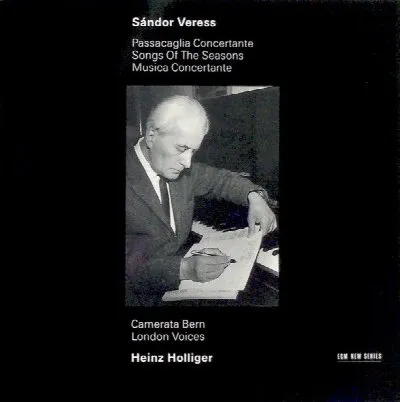
Sándor Veress
His orchestral works combine Hungarian folk inflections with modern harmonies and rhythmic detail, making a natural next step.

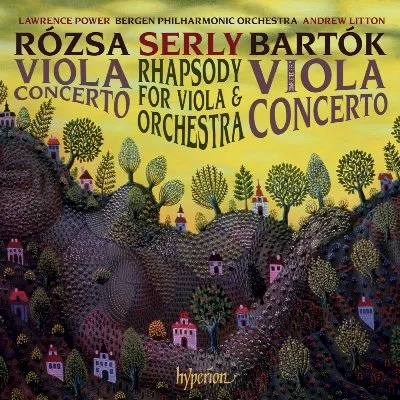
Miklós Rózsa
His concert works pair Hungarian melodic and rhythmic fingerprints with vivid, dramatic orchestral writing.

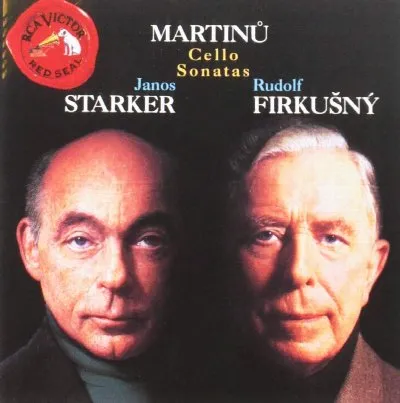
Bohuslav Martinů
His symphonies and stage works offer crisp rhythmic interplay, folk-shaped themes, and colorful neoclassical orchestration.

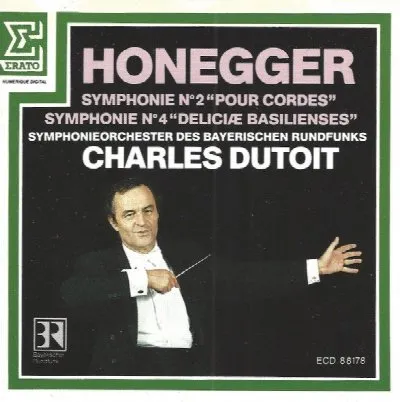
Arthur Honegger
His symphonic music balances dense orchestral sonorities and propulsive rhythms with clear, carefully structured forms.

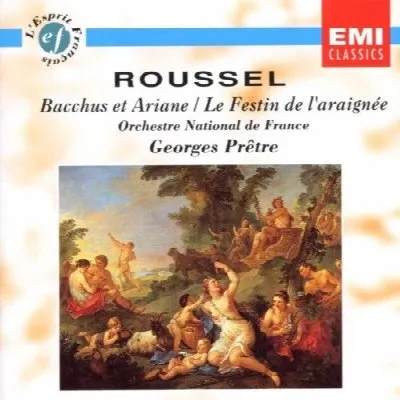
Albert Roussel
Try his orchestral works for bright French-inflected colors, intricate rhythms, and surges of dramatic energy.
Common questions
Who sounds like László Lajtha?
Artists similar to László Lajtha include Béla Bartók, Zoltán Kodály, Ernő Dohnányi and Sándor Veress. Each shares elements of László Lajtha's sound while bringing their own perspective.
What genre is László Lajtha?
László Lajtha is primarily known for opera and symphony. A tapestry of lush orchestral textures unfolds through layered harmonies and rhythmic intricacies, generating moments of both tension and release.
Where should I start if I like László Lajtha?
If you enjoy László Lajtha, start with Béla Bartók — their album "Mikrokosmos 5 / Eight Improvisations on Hungarian Peasant Songs / Romanian Folk Dances / Fourteen Bagatelles / Allegro barbaro" is a great entry point. Start here for Hungarian folk-derived rhythms, sharply edged orchestral colors, and symphonic writing that moves between tension and release.