

Bands & artists like Luigi Boccherini
If you like Luigi Boccherini, these artists play in similar sounds, ideas, or styles. Use this as a starting point to branch out and find something new to listen to.
Artists to try next

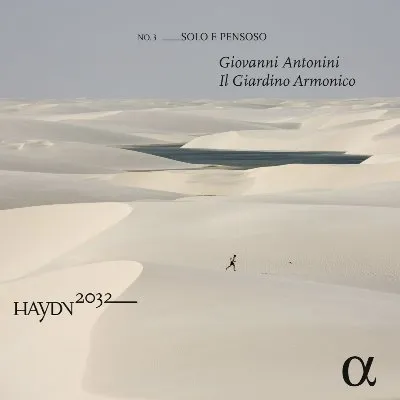
Joseph Haydn
For elegant Classical-era chamber writing, follow the conversational string quartets, where motifs pass between instruments with finely graded dynamics.

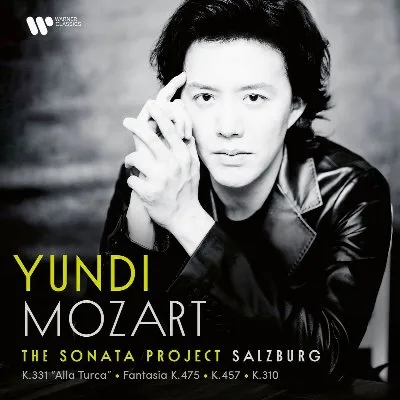
Wolfgang Amadeus Mozart
His chamber music pairs graceful melodic lines with vivid instrumental dialogue and the same polished, lightly shifting emotional character.

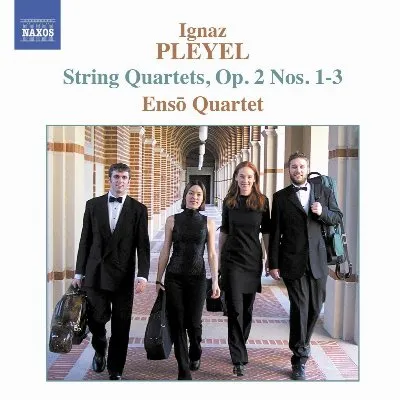
Ignaz Pleyel
His string quartets and quintets offer poised, lyrical exchanges in a refined late-18th-century style close to Boccherini’s.

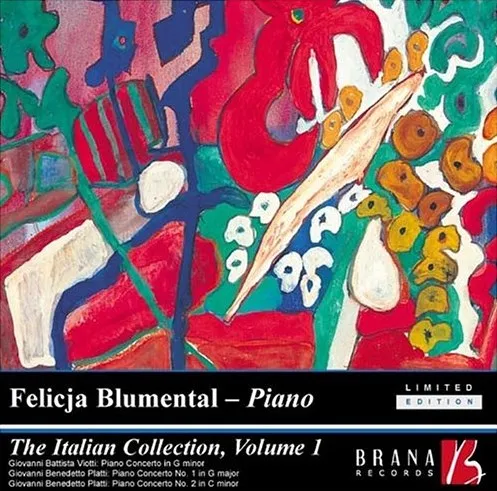
Giovanni Battista Viotti
Listen for elegant Classical phrasing and expressive string interplay, especially in his chamber works shaped by a singing melodic style.

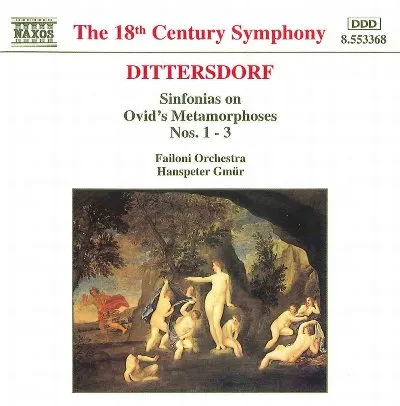
Carl Ditters von Dittersdorf
His chamber music shares Boccherini’s tuneful, balanced textures and conversational interplay among strings.

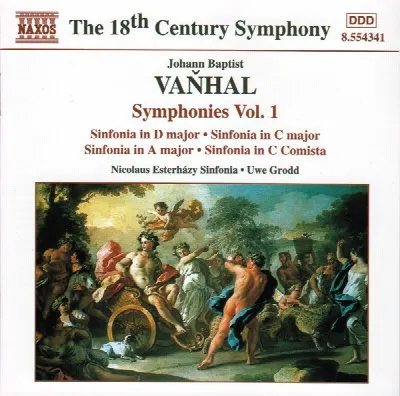
Johann Baptist Vanhal
His quartets and other chamber works favor clear, graceful exchanges and carefully shaded phrasing from the same Viennese Classical world.

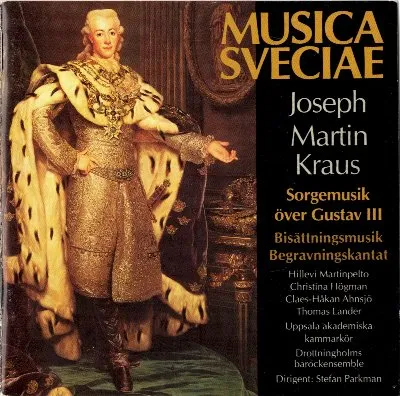
Joseph Martin Kraus
His chamber music combines Classical poise with expressive dynamic contrasts and subtly dramatic turns.
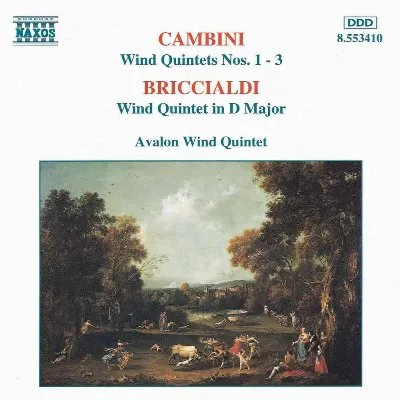
Giuseppe Cambini
His string quartets and quintets feature the light, finely balanced ensemble conversation that suits Boccherini listeners.
Common questions
Who sounds like Luigi Boccherini?
Artists similar to Luigi Boccherini include Joseph Haydn, Wolfgang Amadeus Mozart, Ignaz Pleyel and Giovanni Battista Viotti. Each shares elements of Luigi Boccherini's sound while bringing their own perspective.
What genre is Luigi Boccherini?
Luigi Boccherini is primarily known for classical. Each piece unfolds through intricate dialogue between instruments, characterized by gentle shifts in dynamics and nuanced phrasing that creates a palpable emotional landscape.
Where should I start if I like Luigi Boccherini?
If you enjoy Luigi Boccherini, start with Joseph Haydn — their album "Haydn 2032, no. 3: Solo e pensoso" is a great entry point. For elegant Classical-era chamber writing, follow the conversational string quartets, where motifs pass between instruments with finely graded dynamics.