

Bands & artists like Mariss Jansons
If you like Mariss Jansons, these artists play in similar sounds, ideas, or styles. Use this as a starting point to branch out and find something new to listen to.
Artists to try next

Claudio Abbado
GuideTry Abbado for similarly supple orchestral pacing, where finely controlled quiet passages can bloom into vivid, carefully shaped climaxes.
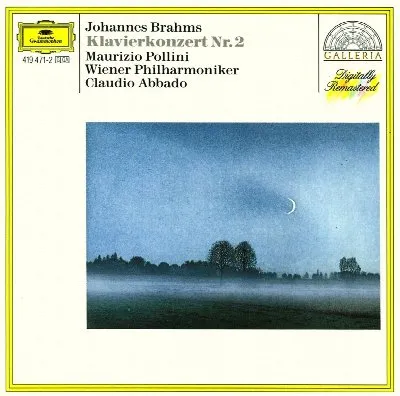

Valery Gergiev
GuideGergiev brings a comparable Russian-orchestra intensity to Tchaikovsky and Shostakovich, with taut rhythms and sudden surges of weight.
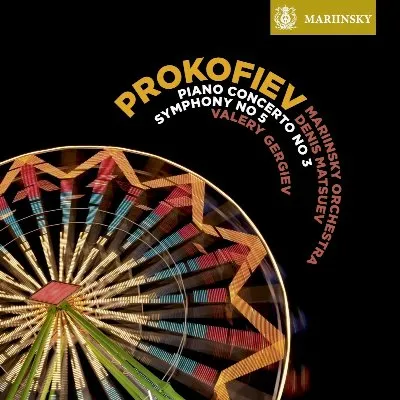

Riccardo Chailly
GuideChailly pairs crisp ensemble precision with dramatic momentum, especially in large-scale Romantic and 20th-century orchestral works.
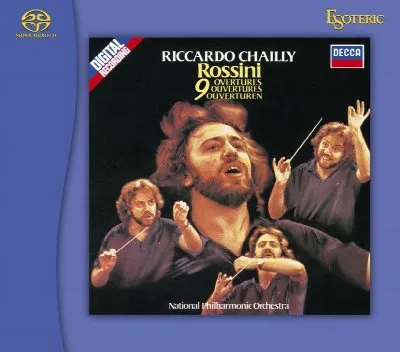

Leonard Bernstein
GuideFor more overtly theatrical performances, Bernstein turns flexible tempos and sharply contrasted dynamics into emotionally charged symphonic arcs.


Andris Nelsons
GuideNelsons is a strong match for listeners drawn to polished orchestral color, finely shaded dynamics, and expansive Mahlerian climaxes.
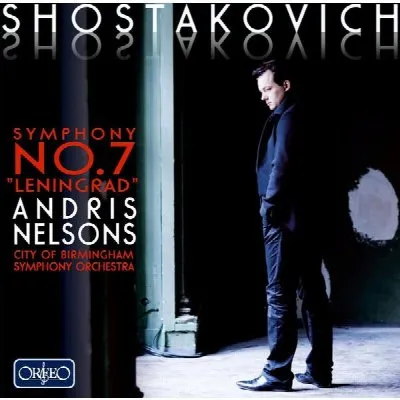

Simon Rattle
Rattle’s performances often make rhythmic detail and changes in orchestral texture drive the movement between stillness and intensity.

Seiji Ozawa
GuideOzawa offers a similarly vivid, responsive orchestral sound, with clear balances and graceful transitions into dramatic peaks.

Paavo Järvi
GuideJärvi brings clean rhythmic definition and energetic momentum to symphonic repertoire while preserving space for quieter details to register.
Common questions
Who sounds like Mariss Jansons?
Artists similar to Mariss Jansons include Claudio Abbado, Valery Gergiev, Riccardo Chailly and Leonard Bernstein. Each shares elements of Mariss Jansons's sound while bringing their own perspective.
What genre is Mariss Jansons?
Mariss Jansons is primarily known for classical. Jansons’ conducting emphasizes a dynamic interplay of tension and release, crafting moments where silence feels as vital as sound itself.
Where should I start if I like Mariss Jansons?
If you enjoy Mariss Jansons, start with Claudio Abbado — their album "Klavierkonzert Nr. 2" is a great entry point. Try Abbado for similarly supple orchestral pacing, where finely controlled quiet passages can bloom into vivid, carefully shaped climaxes.