

Bands & artists like Richard Strauss
If you like Richard Strauss, these artists play in similar sounds, ideas, or styles. Use this as a starting point to branch out and find something new to listen to.
Artists to try next

Gustav Mahler
GuideTurn to Mahler for similarly expansive late-Romantic orchestration, sweeping themes, and sudden shifts from intimacy to overwhelming force.


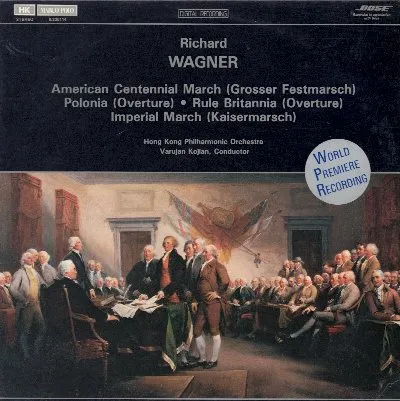
Richard Wagner
GuideWagner offers the same richly chromatic harmony and dramatic orchestral writing, especially in music shaped around operatic tension.

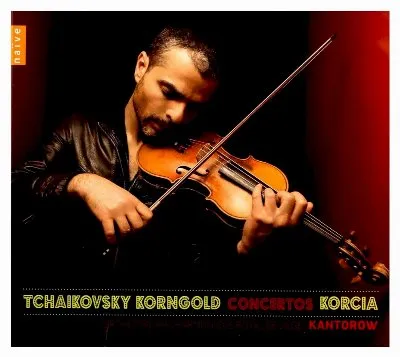
Erich Wolfgang Korngold
GuideKorngold’s lush, boldly colored orchestral writing carries forward Strauss’s opulent late-Romantic sound and soaring melodic lines.

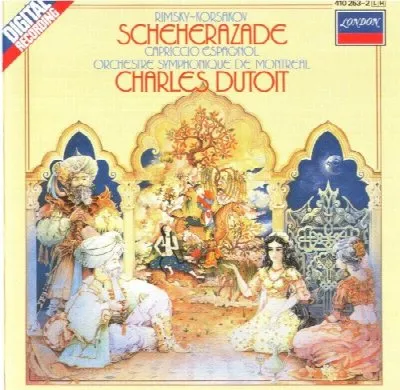
Nikolai Rimsky-Korsakov
Rimsky-Korsakov shares Strauss’s flair for brilliant orchestral color, vivid contrasts, and memorable sweeping melodies.

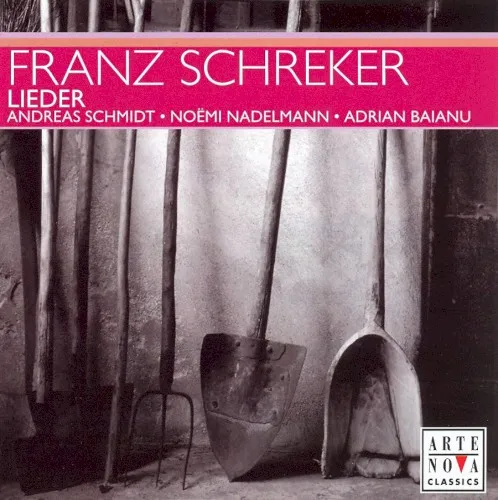
Franz Schreker
Schreker’s operas and orchestral passages pair shimmering, richly layered sonorities with intense dramatic build-ups.

Hans Pfitzner
Pfitzner is a close period companion, with broad melodic spans and weighty orchestral writing shaped by late-Romantic harmony.

Anton Bruckner
GuideBruckner offers vast orchestral arcs and powerful changes in scale, though his symphonies lean more monumental and devotional.

Hector Berlioz
GuideFor another master of dramatic orchestral storytelling, hear Berlioz’s vivid instrumental colors and sharply contrasting moods.
Common questions
Who sounds like Richard Strauss?
Artists similar to Richard Strauss include Gustav Mahler, Richard Wagner, Erich Wolfgang Korngold and Nikolai Rimsky-Korsakov. Each shares elements of Richard Strauss's sound while bringing their own perspective.
What genre is Richard Strauss?
Richard Strauss is primarily known for classical, opera and symphony. The music features sweeping melodic arcs supported by dense orchestral textures that shift dramatically in intensity and color.
Where should I start if I like Richard Strauss?
If you enjoy Richard Strauss, start with Gustav Mahler — their album "Mahler Symphony No. 4 / Songs of a Wayfarer" is a great entry point. Turn to Mahler for similarly expansive late-Romantic orchestration, sweeping themes, and sudden shifts from intimacy to overwhelming force.