


Photo: Thesupermat · CC BY-SA 4.0

The Northsound field guide
Where to start with Akhenaton
Reflective French rap, intricate writing, and steady, forward-driving grooves.
Akhenaton brings a reflective, story-driven voice to French hip-hop, with rhythms that keep his detailed writing moving. Start with his solo debut for a clear introduction, then follow the albums forward to hear how his sound and perspective develop.
- What they sound like
- Expect French-language rap built around intricate, narrative-minded verses and grounded beats. The music favors close listening, but its steady groove gives it momentum.
- You'll like this if
- You’ll connect with Akhenaton if you like rap that pairs vivid storytelling with reflection on identity and social realities. His French-language writing is central to the experience.
01 · Your first stop
Start here.
New to Akhenaton? You don’t need to hear everything. Start with this.
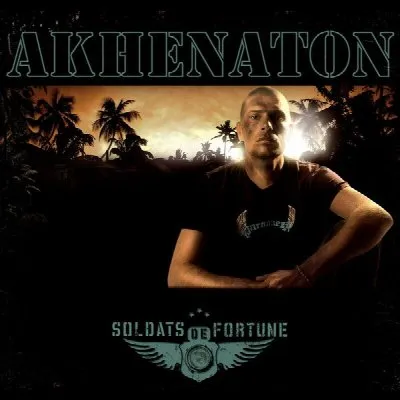
Your first album
Soldats de Fortune
2006 ·Best starting point
Presents a cohesive blend of Akhenaton's signature style, balancing thoughtful lyrics with engaging beats, making it accessible for new listeners.
02 · Track by track
Songs to start with
If you would rather start with a song than an album.
-
1
“We Luv New York”
from We Luv New York (2011)
03 · The trail ahead
The records, in order
Every Akhenaton studio album, from the first. Once the first stop lands, keep going in either direction.
-
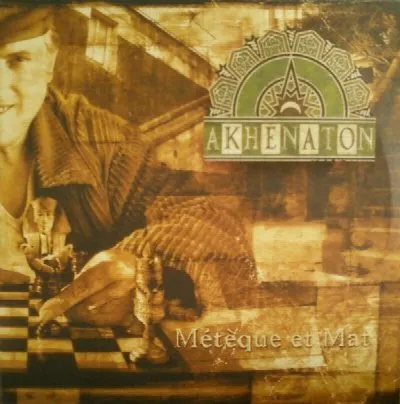
Métèque et mat 1995 86 /100 Summit The two Assedic tracks, at 6 and 7, turn job-office frustration into a linked episode before the album moves on to a different setting.
-
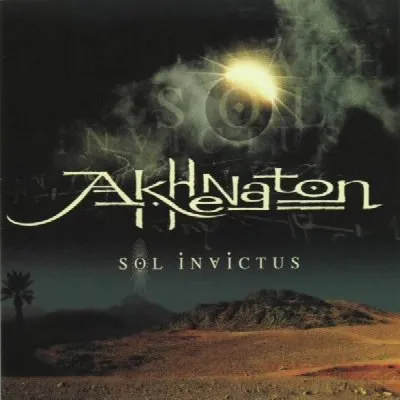
Sol Invictus 2001 76 /100 Alpine “Nuits à Médine” gives extended space to a historical narrative, interrupting the run of more compact rap tracks.
-
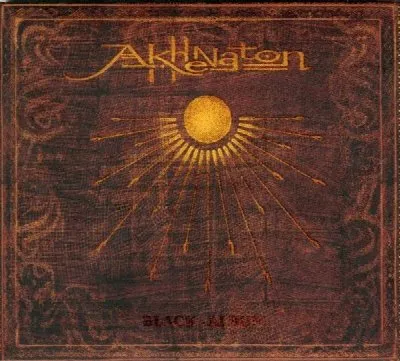
Black Album 2002 Not yet reviewed
-
Soldats de Fortune 2006 65 /100 Treeline Your first stop At 23 tracks, the catalogued edition keeps changing subjects and settings rather than settling into one sustained closing stretch.
-
We Luv New York 2011 New York is named again in “On rêvait New York” at track eight; the tracklist later shifts to English titles at fourteen and fifteen.

-
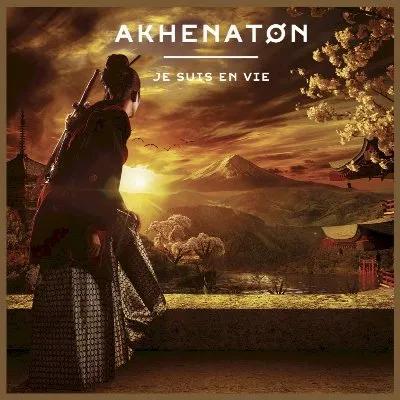
Je suis en vie 2014 Not yet reviewed
-
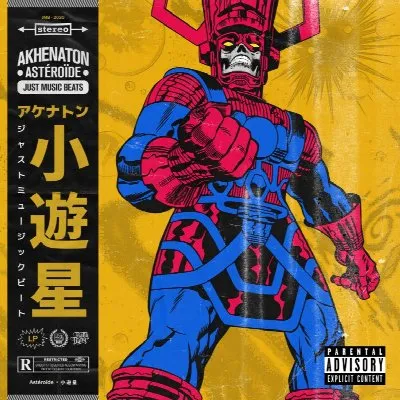
Astéroïde 2020 Not yet reviewed
-
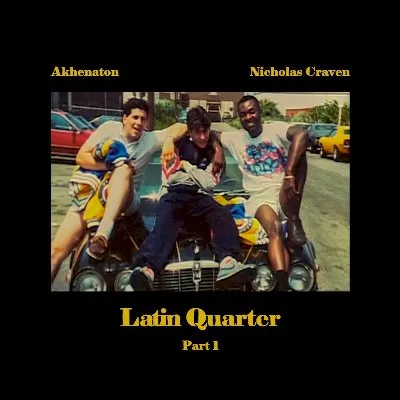
Latin Quarter, Part 1 2022 Not yet reviewed
-
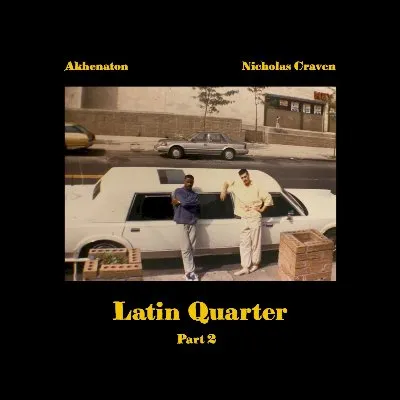
Latin Quarter, Part 2 2022 Not yet reviewed
-
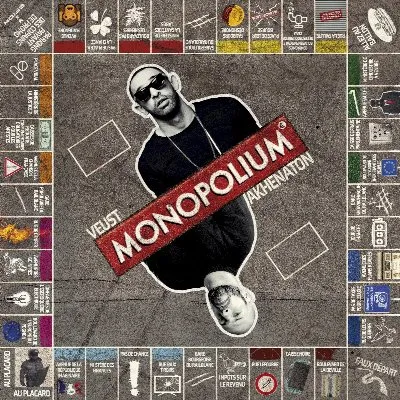
Monopolium 2023 Not yet reviewed
04 · Beyond this guide
Where to go next
-
IAM Their sample-rich, often cinematic beats and intricate socially minded rhymes make them the clearest match for Akhenaton’s musical world. Start with L'École du micro d'argent (1997)

-
MC Solaar Choose him for nimble wordplay and thoughtful French-language writing over polished, jazz- and soul-tinged hip-hop. Start with Qui sème le vent récolte le tempo (1991)

-
Oxmo Puccino His measured flow, literary storytelling, and moody, jazz-inflected beats suit listeners drawn to Akhenaton’s reflective side. Start with L'Arme de paix (2009)

05 · Keep exploring
The Weekly Dispatch
Every Tuesday, a few more places to start listening.
One short email. Free, unsubscribe anytime. Read this week's.
Common questions
Where should I start with Akhenaton?
Start with Soldats de Fortune (2006). Presents a cohesive blend of Akhenaton's signature style, balancing thoughtful lyrics with engaging beats, making it accessible for new listeners.
What does Akhenaton sound like?
Expect French-language rap built around intricate, narrative-minded verses and grounded beats. The music favors close listening, but its steady groove gives it momentum. Rooted in hip-hop and rapping.
In what order should I listen to Akhenaton's albums?
In release order: "Métèque et mat" (1995), "Sol Invictus" (2001), "Black Album" (2002), "Soldats de Fortune" (2006), "We Luv New York" (2011), "Je suis en vie" (2014), "Astéroïde" (2020), "Latin Quarter, Part 1" (2022), "Latin Quarter, Part 2" (2022) and "Monopolium" (2023). New listeners can start with "Soldats de Fortune" and work outward in either direction.
Which artists should I listen to after Akhenaton?
Try IAM (start with "L'École du micro d'argent"), MC Solaar (start with "Qui sème le vent récolte le tempo") and Oxmo Puccino (start with "L'Arme de paix").