


The Northsound field guide
Where to start with Azúcar Moreno
Flamenco-inflected Latin pop with a strong pulse and a knack for vivid melodies.
Azúcar Moreno bring flamenco's rhythmic drive into pop songs built for movement, with layered melodies that keep the music from feeling lightweight. Start with their breakthrough-era sound, then follow how they shape that fusion across the years.
- What they sound like
- Expect Spanish-language pop shaped by flamenco rhythms, bright arrangements, and emphatic vocals. Their songs balance a festive, dance-forward feel with more heartfelt melodic turns.
- You'll like this if
- You'll connect with this if you like pop that draws on traditional sounds without giving up a strong beat or a big melodic hook. It also suits listeners curious about flamenco's place in contemporary Spanish pop.
01 · Your first stop
Start here.
New to Azúcar Moreno? You don’t need to hear everything. Start with this.
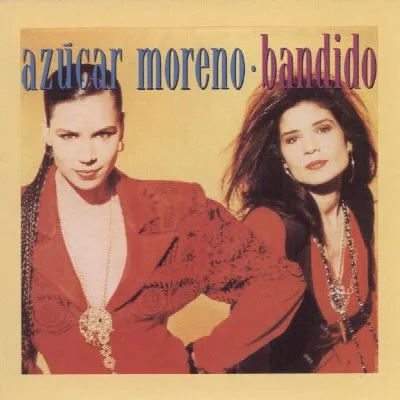
Your first album
Bandido
1990 ·Best starting point
Captures their signature Latin pop and flamenco sound in a cohesive set, showcasing rhythmic intensity and melodic layers that define their style.
Good fit if you like
- joyous celebration of life
- steady mid-tempo dance vibes
- for lively gatherings
- earworm melodies that linger
Maybe skip if you
- prefer fast-paced excitement
- seek deep introspective themes
02 · Track by track
Songs to start with
If you would rather start with a song than an album.
-
1
“Bandido”
from Bandido (1990)
-
2
“Moliendo café”
from Ojos Negros (1992)
This opening track features infectious energy and showcases the duo's harmonious vocals over an upbeat arrangement, setting the tone for the entire album.
-
3
“Aunque me falte el aire”
from Carne De Melocotón (1988)
This lead single became an anthem for the duo, blending traditional flamenco with contemporary pop that resonated widely with listeners.
-
4
“El amor”
from El amor (1994)
-
5
“Canela”
from Con La Miel En Los Labios (1984)
Opening with a catchy hook and infectious rhythm, this track showcases Azúcar Moreno's distinctive blend of traditional flamenco and contemporary pop sensibilities.
03 · The trail ahead
The records, in order
Every Azúcar Moreno studio album, from the first. Once the first stop lands, keep going in either direction.
-
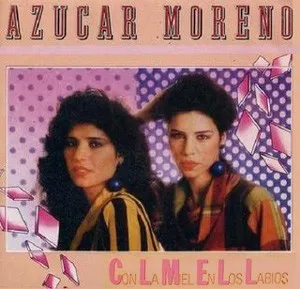
Con La Miel En Los Labios 1984 63 /100 Foothills Vocal harmonies are prominent throughout, with both sisters often singing in unison or in call-and-response patterns.
-
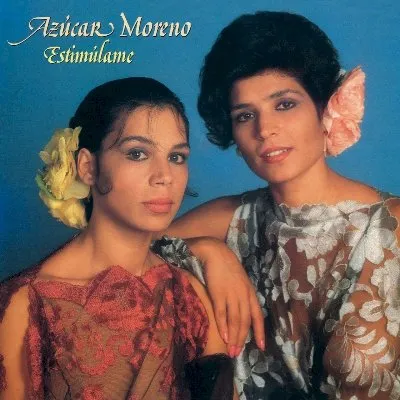
Estimúlame 1986 63 /100 Foothills The last three tracks slow down the tempo significantly, creating a contrast with the energetic opening songs.
-
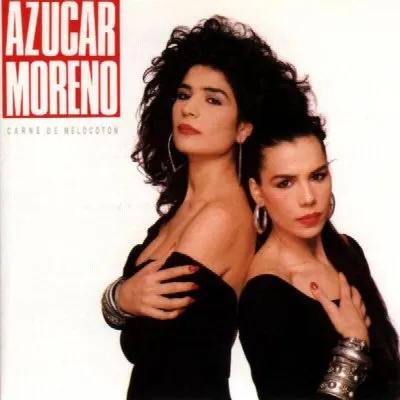
Carne De Melocotón 1988 71 /100 Treeline The first three tracks feature upbeat tempos and strong flamenco influences, while the fourth track introduces a more playful rhythm.
-
Bandido 1990 77 /100 Alpine Your first stop The instrumentation prominently includes traditional flamenco guitar alongside modern pop elements, creating a distinct sound.
-
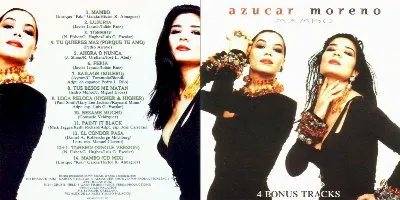
Mambo 1991 63 /100 Foothills The first five tracks maintain a high-energy tempo, while the sixth track introduces a slower rhythm that contrasts sharply with its predecessors.
-
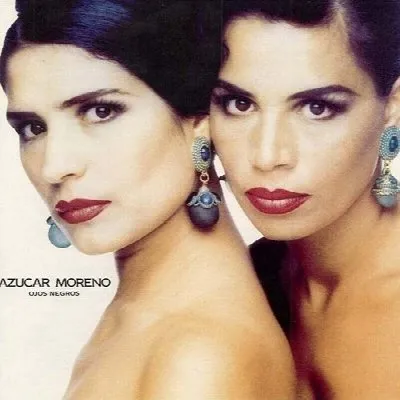
Ojos Negros 1992 77 /100 Alpine The instrumentation prominently includes traditional flamenco guitar alongside modern pop elements, creating a fusion sound.
-
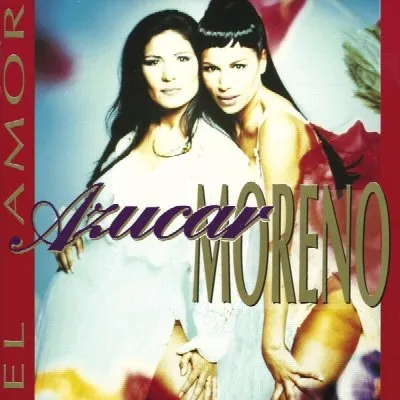
El amor 1994 64 /100 Foothills Vocals are layered with harmonies throughout, particularly in tracks like 'No será fácil' and 'Colgada de la luna', enhancing emotional delivery.
-
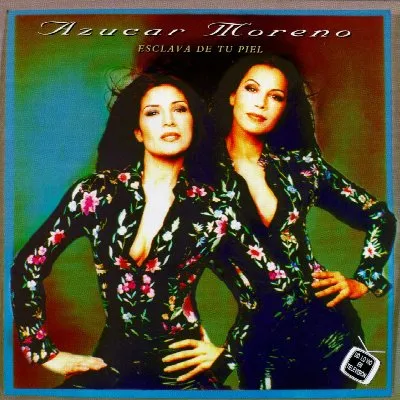
Esclava De Tu Piel 1996 63 /100 Foothills The first three tracks feature upbeat tempos and strong rhythmic elements, while the fourth track introduces a slower, more romantic feel.
-
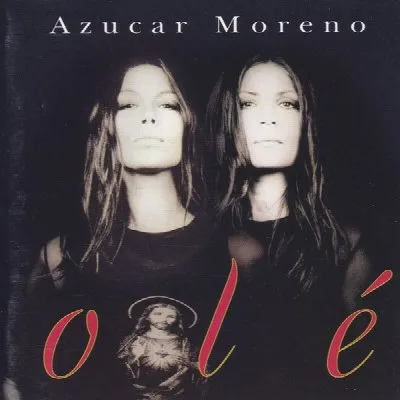
Olé 1998 63 /100 Foothills The final three tracks slow down the tempo, providing a reflective close to the album after the earlier exuberance.
-
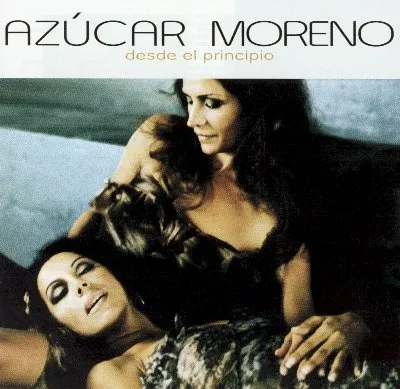
Desde El Principio 2004 63 /100 Foothills Vocals are layered with harmonies throughout, often featuring call-and-response sections that engage the listener.
04 · Beyond this guide
Where to go next
-
Gipsy Kings Start here for flamenco-rooted pop driven by strummed guitars, handclaps, and vigorous group vocals. Start with Gipsy Kings (1987)

-
Los del Río Their rumba-pop songs share Azúcar Moreno’s festive pulse, catchy vocal hooks, and unmistakably Spanish rhythmic character. Start with A mí me gusta (1993)

-
Camela Their melodramatic Spanish pop uses persistent dance rhythms and expressive, closely paired vocals. Start with Te prometo el universo (2007)

05 · Keep exploring
The Weekly Dispatch
Every Tuesday, a few more places to start listening.
One short email. Free, unsubscribe anytime. Read this week's.
Common questions
Where should I start with Azúcar Moreno?
Start with Bandido (1990). Captures their signature Latin pop and flamenco sound in a cohesive set, showcasing rhythmic intensity and melodic layers that define their style.
Which Azúcar Moreno songs should I hear first?
Start with "Bandido" from Bandido, "Moliendo café" from Ojos Negros, "Aunque me falte el aire" from Carne De Melocotón and "El amor" from El amor.
What does Azúcar Moreno sound like?
Expect Spanish-language pop shaped by flamenco rhythms, bright arrangements, and emphatic vocals. Their songs balance a festive, dance-forward feel with more heartfelt melodic turns. Rooted in Latin pop and flamenco.
In what order should I listen to Azúcar Moreno's albums?
In release order: "Con La Miel En Los Labios" (1984), "Estimúlame" (1986), "Carne De Melocotón" (1988), "Bandido" (1990), "Mambo" (1991), "Ojos Negros" (1992), "El amor" (1994), "Esclava De Tu Piel" (1996), "Olé" (1998) and "Desde El Principio" (2004). New listeners can start with "Bandido" and work outward in either direction.
Which artists should I listen to after Azúcar Moreno?
Try Gipsy Kings (start with "Gipsy Kings"), Los del Río (start with "A mí me gusta") and Camela (start with "Te prometo el universo").