


Photo: User:Mika-photography · CC BY-SA 3.0

The Northsound field guide
Where to start with Beanie Sigel
Dense East Coast rap, blunt storytelling, and beats built for tension.
Beanie Sigel’s direct delivery and tightly packed verses give his East Coast rap a tense, street-level immediacy. Start with The Truth for a focused introduction, then move to The Reason and The B. Coming to hear how his sound develops.
- What they sound like
- Expect a forceful, gravelly voice over hard-edged East Coast production, with verses that favor vivid street narratives over pop polish. The mood is often tense and urgent.
- You'll like this if
- You’ll connect with this if you like tightly delivered rap, detailed first-person storytelling, and beats that keep pressure in the room. If you prefer melodic vocals or light production, his records may feel severe.
01 · Your first stop
Start here.
New to Beanie Sigel? You don’t need to hear everything. Start with this.
Your first album
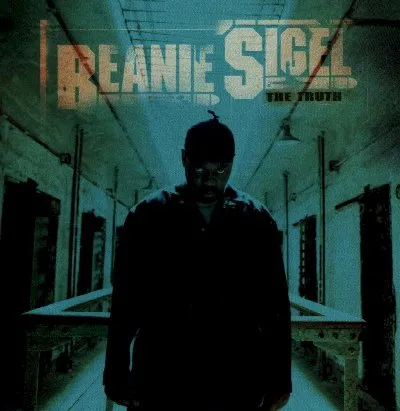
The Truth
2000 ·Best starting point
Captures Beanie Sigel's signature sound with a cohesive mix of hard-hitting tracks and introspective moments, showcasing his lyrical prowess.
Only have a few minutes?
“Feel It In The Air” from The B. Coming (2005)
Immediate hook that introduces Sigel's style, featuring a strong beat and compelling lyrics that resonate with the themes in his work.
Good fit if you like
- gritty narratives of street life
- relentless beats for motivation
- cathartic reflections on struggle
- short tracks with impactful stories
Maybe skip if you
- prefer polished, mainstream sounds
- seek lighthearted or upbeat themes
02 · Track by track
Songs to start with
If you would rather start with a song than an album.
-
1
“So What You Saying”
from The Reason (2001)
-
2
“Who Want What”
from The Truth (2000)
This track features aggressive beats and confrontational lyrics that showcase Sigel’s bravado, setting a tone of defiance that permeates the album.
-
3
“Under Attack”
from The Roc Boys (2010)
-
4
“I Can't Go on This Way”
from The B. Coming (2005)
In this track, Sigel confronts his struggles and vulnerabilities head-on, blending personal storytelling with a powerful emotional resonance that encapsulates the album's essence.
-
5
“Tear Drops”
from The Broad Street Bully (2009)
In this poignant track, Sigel reflects on loss and the emotional weight of his experiences, showcasing his vulnerability amid a tough exterior. It's a standout moment of introspection.
03 · The trail ahead
The records, in order
Every Beanie Sigel studio album, from the first. Once the first stop lands, keep going in either direction.
-
The Truth 2000 70 /100 Treeline Your first stop Many songs feature layered vocal deliveries, with Sigel alternating between aggressive verses and reflective moments.
-
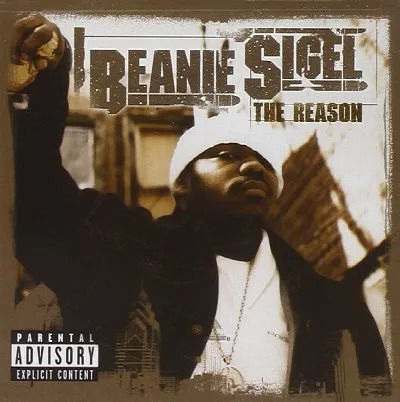
The Reason 2001 72 /100 Treeline The album features a consistent use of heavy, bass-driven beats that underpin the majority of tracks, creating a gritty atmosphere.
-
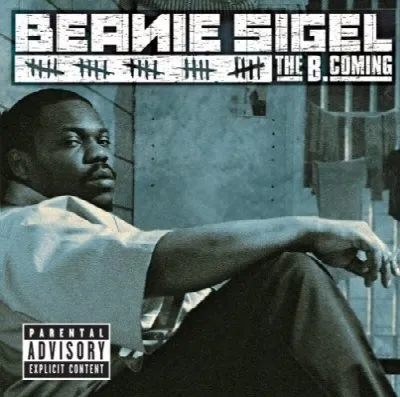
The B. Coming 2005 63 /100 Foothills The first half of the album features a consistent mid-tempo pace, while the second half introduces more varied tempos and emotional shifts.
-
Still Public Enemy Number 1 2006 Not yet reviewed

-
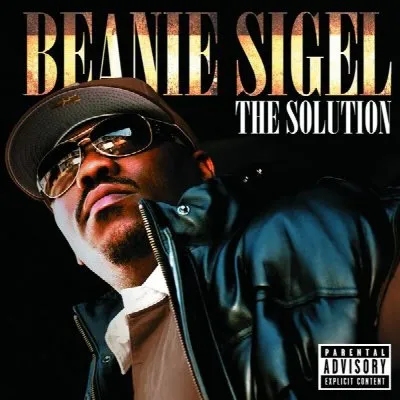
The Solution 2007 60 /100 Foothills The first half of the album features aggressive beats and assertive lyrics, while the second half shifts to more introspective themes and slower tempos.
-
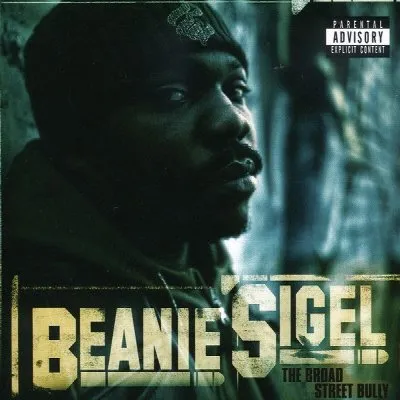
The Broad Street Bully 2009 63 /100 Foothills Each track features layered production with heavy bass and sharp percussion, creating a gritty soundscape that complements the lyrical content.
-
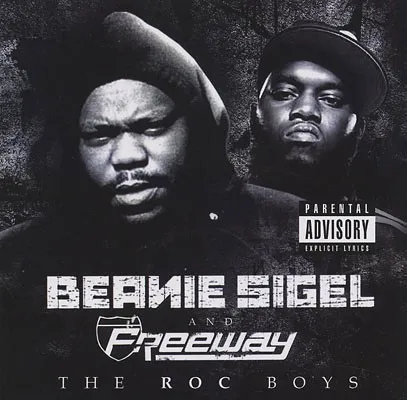
The Roc Boys 2010 66 /100 Treeline The first half of the album features aggressive beats and rapid-fire verses, while the second half shifts to more reflective themes and slower tempos.
-
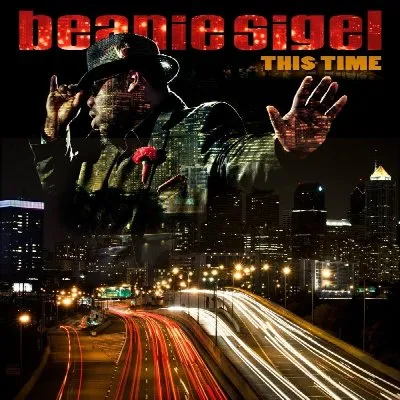
This Time 2012 63 /100 Foothills The first half of the album features tracks that maintain a consistent mid-tempo pace, while the second half introduces more varied tempos and emotional weight.
-
Untagged 2016 Not yet reviewed

04 · Beyond this guide
Where to go next
-
Jadakiss Jadakiss shares a similar gritty lyrical style and a strong East Coast hip-hop influence, often employing dense beats that create a tense atmosphere. Start with Kiss of Death (2004)

-
Styles P As a member of The LOX, Styles P's hardcore delivery and stark production choices resonate well with Beanie Sigel's intense sound. Start with A Gangster and a Gentleman (2002)

-
Pusha T Pusha T's sharp lyricism and dark, minimalist production align closely with the urgent and aggressive tone found in Sigel's work. Start with My Name Is My Name (2013)

05 · Keep exploring
The Weekly Dispatch
Every Tuesday, a few more places to start listening.
One short email. Free, unsubscribe anytime. Read this week's.
Common questions
Where should I start with Beanie Sigel?
Start with The Truth (2000). Captures Beanie Sigel's signature sound with a cohesive mix of hard-hitting tracks and introspective moments, showcasing his lyrical prowess.
Which Beanie Sigel songs should I hear first?
Start with "Feel It In The Air" from The B. Coming, "So What You Saying" from The Reason, "Who Want What" from The Truth and "Under Attack" from The Roc Boys.
What does Beanie Sigel sound like?
Expect a forceful, gravelly voice over hard-edged East Coast production, with verses that favor vivid street narratives over pop polish. The mood is often tense and urgent. Rooted in gangsta rap and hardcore hip-hop.
In what order should I listen to Beanie Sigel's albums?
In release order: "The Truth" (2000), "The Reason" (2001), "The B. Coming" (2005), "Still Public Enemy Number 1" (2006), "The Solution" (2007), "The Broad Street Bully" (2009), "The Roc Boys" (2010), "This Time" (2012) and "Untagged" (2016).
Which artists should I listen to after Beanie Sigel?
Try Jadakiss (start with "Kiss of Death"), Styles P (start with "A Gangster and a Gentleman") and Pusha T (start with "My Name Is My Name").