


Photo: Unknown authorUnknown author · Public domain

The Northsound field guide
Where to start with Bedřich Smetana
Begin with six orchestral poems, then follow Smetana toward opera or chamber music.
Smetana is a good fit if you want orchestral music with clear melodic landmarks and a strong sense of place. Start with the six symphonic poems of Má vlast, then choose opera or chamber music to hear how differently he handles drama and intimate expression.
- What they sound like
- Expect Romantic-era orchestral writing that moves between broad, sweeping passages and more delicate, memorable themes. Smetana also wrote opera and chamber music, where the scale and musical focus shift.
- You'll like this if
- You’ll connect with Smetana if you enjoy instrumental music that suggests landscapes and stories, or orchestral melodies with a folk-inspired character.
01 · Your first stop
Start here.
New to Bedřich Smetana? You don’t need to hear everything. Start with this.

Your first album
Má Vlast: Cycle of 6 Symphonic Poems
1996 ·Best starting point
This album is identified as the complete cycle of six symphonic poems, giving you more than the familiar single tone poem “The Moldau.” Start with the flowing, recognizable landscape of “The Moldau,” then hear how the surrounding poems broaden Smetana’s orchestral picture of his homeland.
Only have a few minutes?
“The Moldau (Vltava)”
Its flowing orchestral motion and memorable main theme offer an accessible introduction to the landscape-driven storytelling that runs through the cycle.
Not the album for you? Try one of these instead.
-
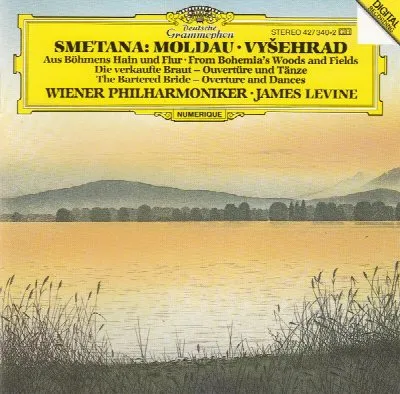
The Moldau (1987) Choose this single-poem release if you want to sample the flowing orchestral story of “The Moldau” before committing to the full cycle.
-
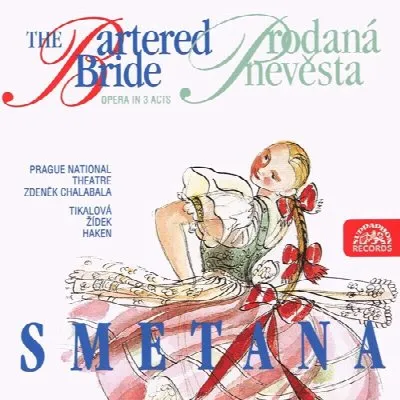
The Bartered Bride (Chorus & Orchestra of the Prague National Theatre feat. conductor: Zdeněk Chalabala) (1994) Start with The Bartered Bride if you would rather hear Smetana’s music shaped around voices, theatrical scenes, and comic opera.
-
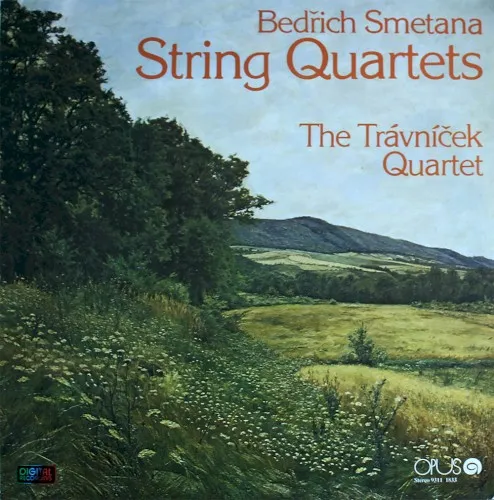
String Quartets (1988) Choose the string quartets if you prefer chamber music and want to hear Smetana working on a more intimate scale.
02 · The trail ahead
Listening paths
Pick a route through Bedřich Smetana's catalog.
Trace Smetana from his national orchestral vision to opera and intensely personal chamber music.
-
1Má Vlast: Cycle of 6 Symphonic Poems (1996) Start with the full-scale orchestral work most closely tied to his legacy.
-
2Die verkaufte Braut (1991) Hear his national style turn lively and theatrical in opera.

-
3String Quartets: "From My Life" / "American" (1992) Shift to chamber music for a more intimate, personal perspective.
Begin with familiar melodic landmarks, then move from a single tone poem to a larger cycle.
-
1Moldau / The Bartered Bride / Slavonic Dances Opus 46, Nos. 1, 2, 3, & 8 A varied sampler offers memorable orchestral themes and dance rhythms.
-
2The Great River: The Moldau (1996) Focus on the flowing, immediately inviting tone poem.
-
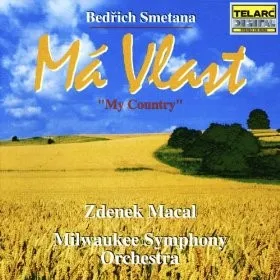
3Má vlast (1992) Expand from one vivid scene to a broader orchestral landscape.
Explore Smetana beyond his best-known orchestral works through chamber and keyboard music.
03 · Beyond this guide
Where to go next
-
Antonín Dvořák Start here for the same Czech nationalist spirit, with sweeping orchestral melodies and folk-inspired rhythms across symphonies and operas. Start with Symphony no. 9 "From the New World" / Slavonic Dances (1992)

-
Franz Liszt His symphonic poems offer bold, story-driven orchestral arcs, shifting between delicate motifs and imposing climaxes. Start with Klavierkonzerte nos. 1 & 2 / Totentanz (1988)

-
Hector Berlioz His richly colored program music and theatrical orchestral writing make a strong match for Smetana’s sweeping tone poems. Start with Symphonie fantastique (1993)

04 · Keep exploring
The Weekly Dispatch
Every Tuesday, a few more places to start listening.
One short email. Free, unsubscribe anytime. Read this week's.
Common questions
Where should I start with Bedřich Smetana?
Start with Má Vlast: Cycle of 6 Symphonic Poems (1996). This album is identified as the complete cycle of six symphonic poems, giving you more than the familiar single tone poem “The Moldau.” Start with the flowing, recognizable landscape of “The Moldau,” then hear how the surrounding poems broaden Smetana’s orchestral picture of his homeland.
What does Bedřich Smetana sound like?
Expect Romantic-era orchestral writing that moves between broad, sweeping passages and more delicate, memorable themes. Smetana also wrote opera and chamber music, where the scale and musical focus shift. Rooted in classical and opera.
In what order should I listen to Bedřich Smetana's albums?
In release order: "My Country" (1978), "Klaviertrios g-Moll" (1988), "Má vlast" (1992), "Má Vlast" (1992), "The Bartered Bride (Chorus & Orchestra of the Prague National Theatre feat. conductor: Zdeněk Chalabala)" (1994), "Má Vlast" (1994), "Má Vlast" (1996), "Má Vlast (My Country)" (1997), "Smetana: Piano Trio, op. 15 / Suk: Piano Trio, op. 2 / Novák: Piano Trio, op. 27" (1998) and "Two String Quartets" (2010).
Which artists should I listen to after Bedřich Smetana?
Try Antonín Dvořák (start with "Symphony no. 9 "From the New World" / Slavonic Dances"), Franz Liszt (start with "Klavierkonzerte nos. 1 & 2 / Totentanz") and Hector Berlioz (start with "Symphonie fantastique").