



The Northsound field guide
Where to start with Billy Hart
Billy Hart’s long catalog can make it hard to know where to begin. This guide gives you a clear entry point with Oceans of Time, then maps a path for exploring his hard-bop influences and rhythmic approach.
01 · Your first stop
Start here.
New to Billy Hart? You don’t need to hear everything. Start with this.

Your first album
Oceans of Time
1997 ·Best starting point
Showcases Hart's rhythmic style and offers a cohesive listening experience for new listeners to explore his hard bop influences.
Good fit if you like
- hour-plus unhurried listening
- patient ten-minute track stretches
- shadowed, reflective title moods
- eight extended pieces in sequence
Maybe skip if you
- want quick track turnover
- prefer compact albums
02 · Track by track
Songs to start with
If you would rather start with a song than an album.
-
1
“Ohnedaruth”
from All Our Reasons (2012)
This piece showcases a dynamic interplay between the ensemble members, demonstrating Hart’s ability to weave complex arrangements seamlessly while maintaining a fluid groove.
-
2
“Shadow Dance”
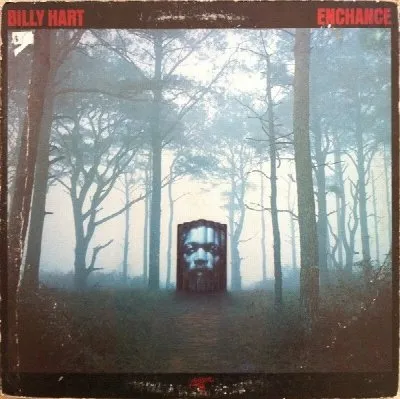
from Enchance (1977)
With its intricate rhythms and shifting tempos, this piece highlights Hart's skill as a composer and allows for profound improvisational moments from the ensemble.
-
3
“Cyclic Episode”
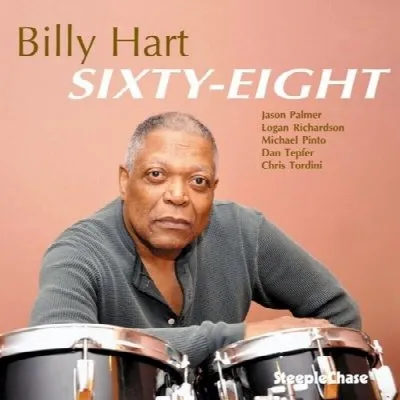
from Sixty-Eight (2011)
Sam Rivers’s composition links the record to the exploratory post-bop of his 1964 album Fuchsia Swing Song.
-
4
“Lorca”
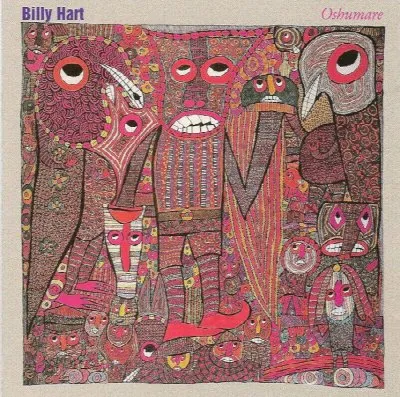
from Oshumare (1985)
At seven and a half minutes, this piece gives the band room to develop its ideas beyond a brief statement.
-
5
“Reflections”
from Rah (1988)
At just over six minutes, this track gives the group room to develop its ideas beyond the more compact opening piece.
03 · The trail ahead
The records, in order
Every Billy Hart studio album, from the first. Once the first stop lands, keep going in either direction.
-
Enchance 1977 72 /100 Treeline Each track showcases extended improvisation sections where the musicians explore themes rather than adhering strictly to a melody.
-
Oshumare 1985 71 /100 Treeline The album features a consistent use of polyrhythmic drumming throughout, creating a complex yet engaging backdrop for the melodic instruments.
-
Rah 1988 The album features a consistent use of polyrhythmic drumming, with intricate patterns that drive the compositions forward.

-
Amethyst 1993 The album features a consistent use of polyrhythmic drumming, which drives the momentum of each track.

-
Oceans of Time 1997 Your first stop The album features a consistent use of polyrhythmic drumming, which drives the momentum of each track.
-
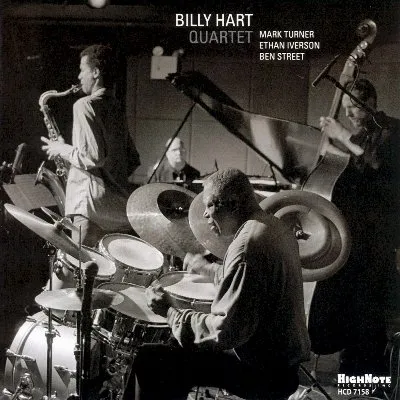
Billy Hart Quartet 2006 Not yet reviewed

-
Quartet 2006 Not yet reviewed
-
Sixty-Eight 2011 72 /100 Treeline The album features a consistent use of polyrhythmic patterns across several tracks, creating a complex yet cohesive sound.
-
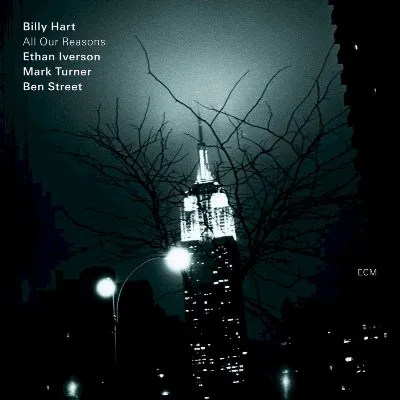
All Our Reasons 2012 80 /100 Alpine Each track showcases extended improvisation sections, allowing the musicians to explore themes in depth.
-
One Is the Other 2014 Not yet reviewed
04 · Beyond this guide
Where to go next
-
Jack DeJohnette Start here for post-bop drumming that turns shifting cymbal patterns and elastic pulse into an active conversation with the ensemble. Start with New Rags (1977)

-
Elvin Jones Listen for rolling polyrhythms and a powerful, overlapping pulse that gives small-group jazz a similarly layered sense of motion. Start with Dear John C. (1965)

-
Roy Haynes Haynes pairs hard-bop drive with nimble, sharply placed accents, keeping the beat buoyant while constantly responding to soloists. Start with Out of the Afternoon (1962)

05 · Keep exploring
The Weekly Dispatch
Every Tuesday, a few more places to start listening.
One short email. Free, unsubscribe anytime. Read this week's.
Common questions
Where should I start with Billy Hart?
Start with Oceans of Time (1997). Showcases Hart's rhythmic style and offers a cohesive listening experience for new listeners to explore his hard bop influences.
Which Billy Hart songs should I hear first?
Start with "Ohnedaruth" from All Our Reasons, "Shadow Dance" from Enchance, "Cyclic Episode" from Sixty-Eight and "Lorca" from Oshumare.
In what order should I listen to Billy Hart's albums?
In release order: "Enchance" (1977), "Oshumare" (1985), "Rah" (1988), "Amethyst" (1993), "Oceans of Time" (1997), "Billy Hart Quartet" (2006), "Quartet" (2006), "Sixty-Eight" (2011), "All Our Reasons" (2012) and "One Is the Other" (2014). New listeners can start with "Oceans of Time" and work outward in either direction.
Which artists should I listen to after Billy Hart?
Try Jack DeJohnette (start with "New Rags"), Elvin Jones (start with "Dear John C.") and Roy Haynes (start with "Out of the Afternoon").