


Photo: Raúl Serrano · CC BY-SA 2.0

The Northsound field guide
Where to start with Chavela Vargas
Chavela Vargas’s catalog can be hard to navigate without a clear starting point. This guide begins with her live ranchera performance on Chavela at Carnegie Hall, then gives you a path into the steady pulse and haunting vocal delivery that define her music.
01 · Your first stop
Start here.
New to Chavela Vargas? You don’t need to hear everything. Start with this.

Your first album
Chavela at Carnegie Hall
·Best starting point
Captures her powerful voice and emotional depth in a live setting, showcasing her signature ranchera style effectively.
Only have a few minutes?
“La Llorona” from La Llorona (1994)
Immediate emotional impact and a haunting melody that represents her vocal intensity and ranchera roots.
02 · The trail ahead
The records, in order
Every Chavela Vargas studio album, from the first. Once the first stop lands, keep going in either direction.
-
La original Chavela Vargas 1973 Not yet reviewed

-
Piensa en mí 1991 Not yet reviewed

-
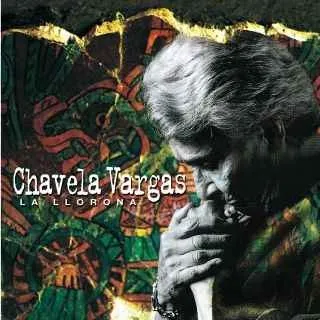
La Llorona 1994 87 /100 Summit The album features a consistent use of traditional guitar arrangements that accompany Vargas's vocal lines, creating a rich, authentic ranchera sound.
-
Soledad 1994 Not yet reviewed

-
Macorina 1994 Not yet reviewed

-
Corridos de la revolución 1994 Not yet reviewed

-
Somos 1996 Not yet reviewed

-
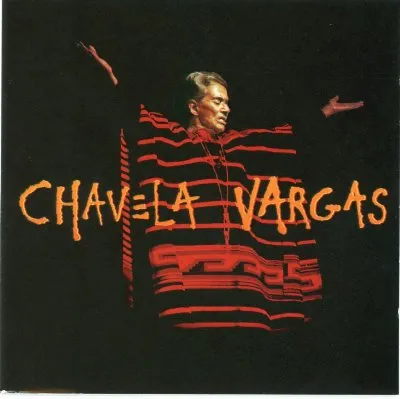
Chavela Vargas 1998 “Nosotros” sits fifth, with “Angelitos negros” immediately after it in the second half.
-
Cupaima 2006 Not yet reviewed

-
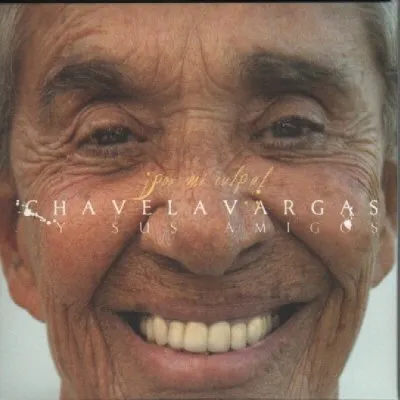
Por mi culpa 2010 The selections repeatedly return to separation and leave-taking, while Chavela’s low, held vocal phrasing keeps the focus on the sung line.
03 · Beyond this guide
Where to go next
-
José Alfredo Jiménez His plainspoken songs of love and loss, often carried by guitar and a weathered vocal, sit at the heart of the same ranchera tradition. Start with El compositor de México (1973)

-
Cuco Sánchez His intimate rancheras pair unadorned guitar-led settings with lyrics of longing and resignation. Start with Con acompañamiento de mariachi, arpa y guitarra (1970)

-
Rocío Dúrcal Her classic ranchera recordings use a more polished vocal and orchestral sound while retaining the genre’s direct emotional pull. Start with Canta a Juan Gabriel volumen 6 (1984)

04 · Keep exploring
The Weekly Dispatch
Every Tuesday, a few more places to start listening.
One short email. Free, unsubscribe anytime. Read this week's.
Common questions
Where should I start with Chavela Vargas?
Start with Chavela at Carnegie Hall. Captures her powerful voice and emotional depth in a live setting, showcasing her signature ranchera style effectively.
What does Chavela Vargas sound like?
With a steady pulse and haunting vocal delivery, her music intertwines stark simplicity with profound emotional intensity. Rooted in ranchera.
In what order should I listen to Chavela Vargas' albums?
In release order: "La original Chavela Vargas" (1973), "Piensa en mí" (1991), "La Llorona" (1994), "Soledad" (1994), "Macorina" (1994), "Corridos de la revolución" (1994), "Somos" (1996), "Chavela Vargas" (1998), "Cupaima" (2006) and "Por mi culpa" (2010).
Which artists should I listen to after Chavela Vargas?
Try José Alfredo Jiménez (start with "El compositor de México"), Cuco Sánchez (start with "Con acompañamiento de mariachi, arpa y guitarra") and Rocío Dúrcal (start with "Canta a Juan Gabriel volumen 6").