

Where to Start with Clifford Brown
Bright, flowing bebop trumpet, driven by quick ensemble interplay and propulsive rhythm.
Clifford Brown matters as a defining voice within the realm of jazz, elevating the trumpet to new heights with his technical prowess and emotional depth.
Clifford Brown’s trumpet balances crisp, agile bebop lines with a warm, buoyant tone. Start with his partnership with drummer Max Roach to hear how that clarity holds up in a lively small-group setting, then follow the thread into more arranged and varied sessions.
What they sound like
Expect fast, clearly shaped trumpet improvisations with a rounded, warm sound, set against crisp piano, bass, and drums. Brown’s playing is nimble without feeling brittle, and the rhythm section keeps the music moving.
You'll like this if
You’ll connect with this if you like melodic improvisation, energetic small-group jazz, and solos that sound precise without losing their sense of lift.
Start here
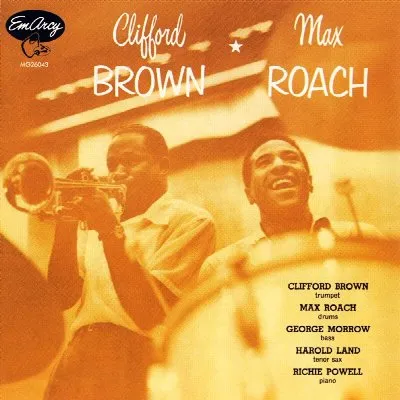
Clifford Brown & Max Roach
1954
Best starting point
Engaging trumpet lines and rhythmic complexity make it a strong introduction to Brown's style and improvisational skill.
Is this for you?
Good fit if you like
- dynamic journey with emotional peaks
- vibrant interplay of instruments
- for focused listening
- sophisticated sound for contemplation
Maybe skip if you
- prefer straightforward, fast-paced tracks
- want instant gratification melodies
Songs to start with
If you'd rather pick a song than an album.
-
1
"What Is This Thing Called Love?" — from Clifford Brown and Max Roach at Basin Street (1956)
opens the album and establishes its sound
-
2
"Cherokee" — from Study in Brown (1955)
opens the album and establishes its sound
-
3
"Delilah" — from Clifford Brown & Max Roach (1954)
establishes the sonic palette from the outset
-
4
"Yesterdays" — from Clifford Brown with Strings (1955)
opens the album's warm, lyrical sound
-
5
"I Come From Jamaica" — from The Beginning and the End (1973)
in-order opening that establishes the album's sound
-
6
"Sweet Clifford" — from Brown and Roach Incorporated (1955)
opens the album and establishes its lively sound
Listening paths
Pick a path through Clifford Brown's catalog.
A focused route through Brown's defining small-group work and lyrical range.

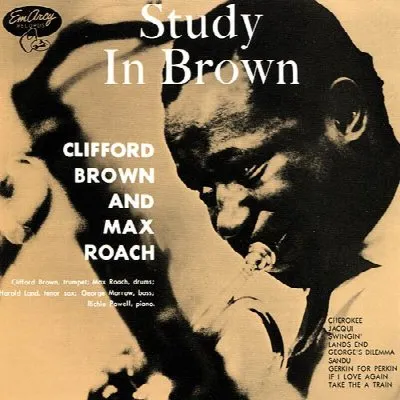
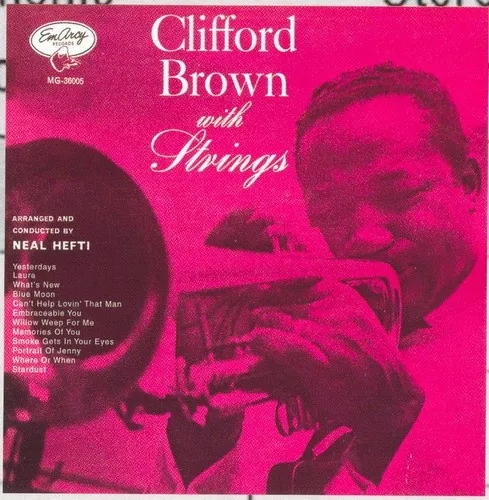
Begin with inviting sounds, then move toward more hard-driving bebop.
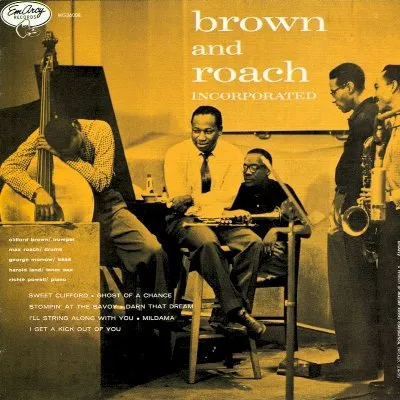
Explore expanded ensembles, alternate settings, and less familiar corners.
Go deeper
Common questions
Where should I start with Clifford Brown?
Start with Clifford Brown & Max Roach (1954). This 1954 collaboration puts Brown’s clear, quick-moving trumpet in conversation with Roach’s alert drumming, so you hear both his melodic fluency and his rhythmic drive. It is a focused introduction to the small-group sound that defines much of his most approachable work.
What does Clifford Brown sound like?
Expect fast, clearly shaped trumpet improvisations with a rounded, warm sound, set against crisp piano, bass, and drums. Brown’s playing is nimble without feeling brittle, and the rhythm section keeps the music moving. Rooted in bebop.
Who is Clifford Brown for?
You’ll connect with this if you like melodic improvisation, energetic small-group jazz, and solos that sound precise without losing their sense of lift.
How many albums does Clifford Brown have?
Clifford Brown has 35 releases in their discography, including 33 albums.