


Photo: Toglenn · CC BY-SA 4.0
The Northsound field guide
Where to start with David Crosby
Intimate folk rock, layered harmonies, and a willingness to wander.
Start with Crosby’s solo debut for a close-up of his searching songwriting and distinctive harmonies. Its loose, atmospheric sound is less polished than a conventional rock album, but it opens a clear path from his folk-rock roots to his later, jazzier work.
- What they sound like
- Crosby’s solo music blends folk-rock songwriting and close vocal harmonies with spacious arrangements that sometimes drift into psychedelic or jazz-influenced territory. Expect a reflective, exploratory feel more than a tight run of radio-ready songs.
- You'll like this if
- You’ll connect with this if you like intricate harmonies, inward-looking songwriting, and albums that leave room for atmosphere. If you prefer concise, tightly structured rock, his looser records may take patience.
01 · Your first stop
Start here.
New to David Crosby? You don’t need to hear everything. Start with this.
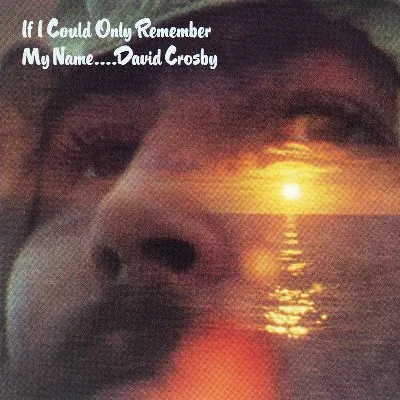
Your first album
If I Could Only Remember My Name
1971 ·Best starting point
Captures Crosby's signature sound with intricate vocal harmonies and reflective themes, making it a cohesive and accessible entry point into his music.
Good fit if you like
- dreamlike introspective moments
- steady progression with resolution
- reflective and serene atmosphere
02 · Track by track
Songs to start with
If you would rather start with a song than an album.
-
1
“Cowboy Movie”
from If I Could Only Remember My Name (1971)
A long electric-guitar workout recasts interpersonal conflict as a Western story, letting the band’s extended playing give the tale a restless edge.
-
2
“Rodriguez for a Night”
from For Free (2021)
Lyrics by Donald Fagen bring a Steely Dan connection to a compact song whose supple groove suits Crosby’s jazz-leaning phrasing.
-
3
“Holding on to Nothing”
from Croz (2014)
Wynton Marsalis’s trumpet adds a jazz accent to a song whose restrained arrangement leaves space for Crosby’s voice and the ache in its central image.
-
4
“Look in Their Eyes”
from Lighthouse (2016)
Crosby turns his attention to refugees, using an understated arrangement to keep the human appeal of the lyric at the center.
-
5
“Sky Trails”
from Sky Trails (2017)
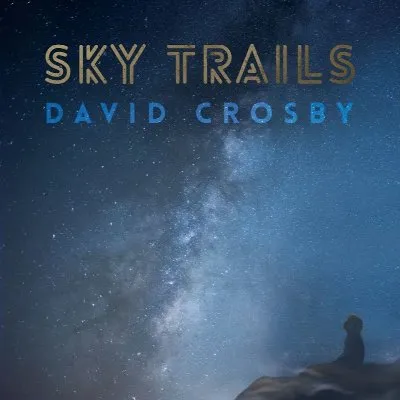
Crosby’s duet with co-writer Becca Stevens gives the title track an intimate conversational quality, with their voices moving through an expansive arrangement.
03 · The trail ahead
Listening paths
Pick a route through David Crosby's catalog.
A compact journey from Crosby’s defining solo statement to his late-career voice.
-
1If I Could Only Remember My Name (1971) Begin with the landmark blend of layered vocals and exploratory folk-rock.
-
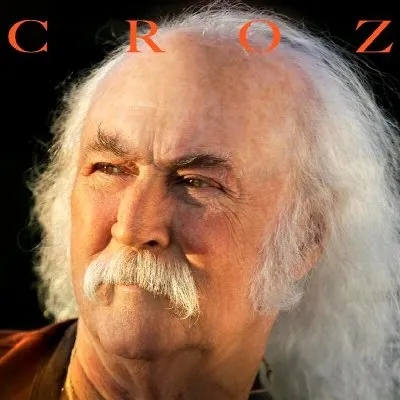
2Croz (2014) Hear his songwriting return in a polished, contemporary setting.
-
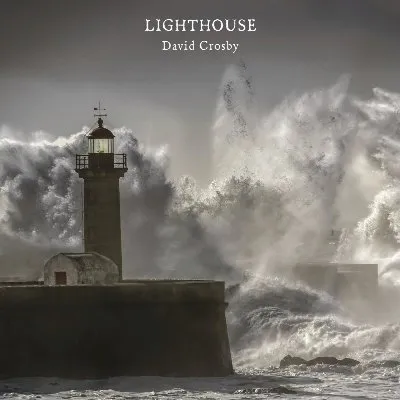
3Lighthouse (2016) Shift to a spare, intimate set centered on voice and acoustic texture.
-
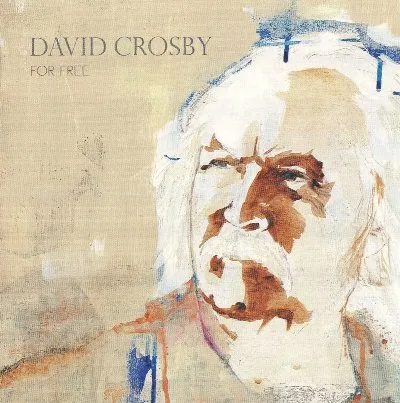
4For Free (2021) Close with a late-career reflection that gathers his warmth and experience.
Start with inviting melodies, then move toward more distinctive textures.
-
1Croz (2014) A smooth, song-forward introduction to his later work.
-
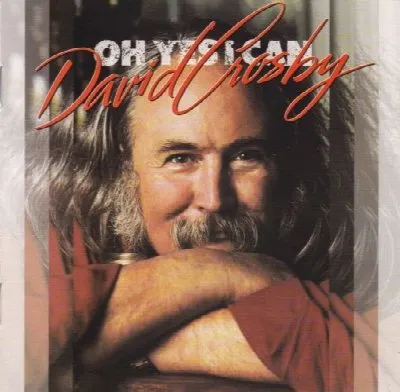
2Oh Yes I Can (1989) Keep the focus on accessible songwriting and vocal character.
-
3Lighthouse (2016) Its stripped-back arrangements offer a gentle change of pace.
-
4Sky Trails (2017) Finish with a jazzier palette and more adventurous arrangements.
Follow Crosby’s more exploratory sounds across different eras and moods.

04 · Beyond this guide
Where to go next
-
Crosby, Stills & Nash Start here for Crosby’s intricate vocal blend, acoustic folk-rock arrangements, and reflective Laurel Canyon songwriting. Start with Crosby, Stills & Nash (1969)

-
The Byrds Their jangling guitars, close harmonies, and folk-rooted rock capture the sound world Crosby helped shape. Start with Mr. Tambourine Man (1965)

-
Stephen Stills Explore his blend of acoustic folk rock, country inflections, and rich vocal arrangements for a close companion to Crosby’s sound. Start with Stephen Stills (1970)

05 · Keep exploring
The Weekly Dispatch
Every Tuesday, a few more places to start listening.
One short email. Free, unsubscribe anytime. Read this week's.
Common questions
Where should I start with David Crosby?
Start with If I Could Only Remember My Name (1971). Captures Crosby's signature sound with intricate vocal harmonies and reflective themes, making it a cohesive and accessible entry point into his music.
Which David Crosby songs should I hear first?
Start with "Cowboy Movie" from If I Could Only Remember My Name, "Rodriguez for a Night" from For Free, "Holding on to Nothing" from Croz and "Look in Their Eyes" from Lighthouse.
What does David Crosby sound like?
Crosby’s solo music blends folk-rock songwriting and close vocal harmonies with spacious arrangements that sometimes drift into psychedelic or jazz-influenced territory. Expect a reflective, exploratory feel more than a tight run of radio-ready songs. Rooted in folk rock and jazz fusion.
In what order should I listen to David Crosby's albums?
In release order: "If I Could Only Remember My Name" (1971), "Oh Yes I Can" (1989), "Thousand Roads" (1993), "Naked In The Rain" (1994), "Croz" (2014), "Lighthouse" (2016), "Sky Trails" (2017) and "For Free" (2021).
Which artists should I listen to after David Crosby?
Try Crosby, Stills & Nash (start with "Crosby, Stills & Nash"), The Byrds (start with "Mr. Tambourine Man") and Stephen Stills (start with "Stephen Stills").