


Photo: Tatiana Azeviche · CC BY-SA 2.0

The Northsound field guide
Where to start with É o Tchan!
Experience the pulsating rhythms of Brazilian pagode baiano.
É o Tchan! is a vibrant force in Brazilian music, known for their infectious rhythms and playful performances that invite everyone to dance. Their unique blend of pagode baiano has not only shaped Brazil's musical landscape but also fostered a sense of community through shared joy.
- What they sound like
- É o Tchan! delivers lively, danceable tracks filled with rhythmic grooves and catchy melodies.
- You'll like this if
- You'll connect with this if you enjoy music that makes you want to move and embrace joy.
01 · Your first stop
Start here.
New to É o Tchan!? You don’t need to hear everything. Start with this.
Your first album
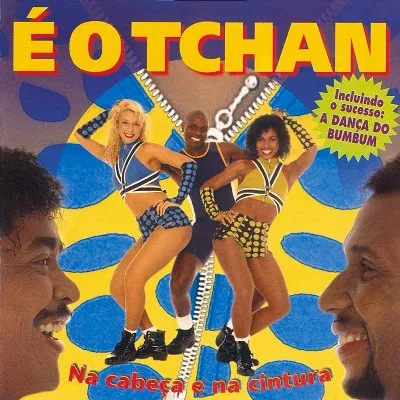
Na Cabeça e Na Cintura
1996 ·Best starting point
Captures their signature sound with infectious rhythms and playful dynamics, making it an accessible introduction to their style.
Only have a few minutes?
“Dança da Cordinha”
Immediate hook and energetic vibe that showcases their rhythmic approach, for introducing new listeners to their music.
02 · The trail ahead
The records, in order
Every É o Tchan! studio album, from the first. Once the first stop lands, keep going in either direction.
-
Na Cabeça e Na Cintura 1996 63 /100 Foothills Your first stop Across the 14-track sequence, hand-percussion-led samba grooves and vocal responses keep the pulse steady; the titles repeatedly cue dances, gestures, or characters.
-
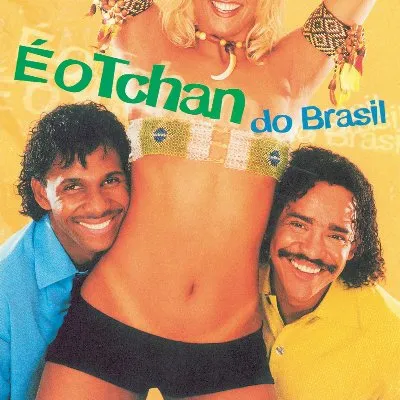
É o Tchan do Brasil 1997 57 /100 Foothills Track nine breaks the sequence of standalone songs with a three-song samba medley; the remaining tracks return to individual song formats.
-
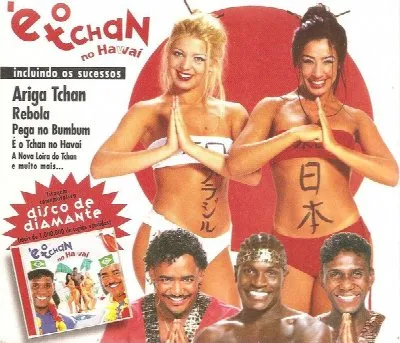
É o Tchan no Hawaí 1998 Dance and movement recur in the titles, from “Rebola” and “Tira e bota” to “Vamos malhar” and “Pega no bumbum”; I can't verify how these ideas sound in the arrangements.
-
É o Tchan na Selva 1999 Not yet reviewed

-
Tchan.com.br 2000 Not yet reviewed
-
Turma do batente 2001 Not yet reviewed
-
Funk do Tchan 2001 Not yet reviewed
-
É o Tchan ligado em 220V 2004 Not yet reviewed
-
Desafio do Manequin 2017 Not yet reviewed
-
Coroa VS Novinha - Repertório Novo 2017 Not yet reviewed

03 · Beyond this guide
Where to go next
-
Luan Santana His modern sertanejo incorporates danceable elements that appeal to fans of upbeat Brazilian music like that of É o Tchan!. Start with Acústico (2015)

-
Sandy & Junior Their pop-infused Brazilian music features catchy hooks and rhythms that can easily resonate with fans of É o Tchan!'s lively sound. Start with Identidade (2003)

-
Banda Eva Their blend of pagode and axé features lively rhythms and engaging melodies, reminiscent of É o Tchan!'s party atmosphere. Start with Millennium (1999)

04 · Keep exploring
The Weekly Dispatch
Every Tuesday, a few more places to start listening.
One short email. Free, unsubscribe anytime. Read this week's.
Common questions
Where should I start with É o Tchan!?
Start with Na Cabeça e Na Cintura (1996). Captures their signature sound with infectious rhythms and playful dynamics, making it an accessible introduction to their style.
What does É o Tchan! sound like?
É o Tchan! delivers lively, danceable tracks filled with rhythmic grooves and catchy melodies. Rooted in pagode baiano.
In what order should I listen to É o Tchan!'s albums?
In release order: "Na Cabeça e Na Cintura" (1996), "É o Tchan do Brasil" (1997), "É o Tchan no Hawaí" (1998), "É o Tchan na Selva" (1999), "Tchan.com.br" (2000), "Turma do batente" (2001), "Funk do Tchan" (2001), "É o Tchan ligado em 220V" (2004), "Desafio do Manequin" (2017) and "Coroa VS Novinha - Repertório Novo" (2017).
Which artists should I listen to after É o Tchan!?
Try Luan Santana (start with "Acústico"), Sandy & Junior (start with "Identidade") and Banda Eva (start with "Millennium").