


Photo: Michael Ochs Archives · Public domain
The Northsound field guide
Where to start with Eddie Cochran
With a catalog of 27 albums spanning over five decades, diving into Eddie Cochran's music can feel daunting. This guide offers a clear entry point with his standout album, 'Summertime Blues', and helps you explore the energetic sound that defined early rock.
01 · Your first stop
Start here.
New to Eddie Cochran? You don’t need to hear everything. Start with this.
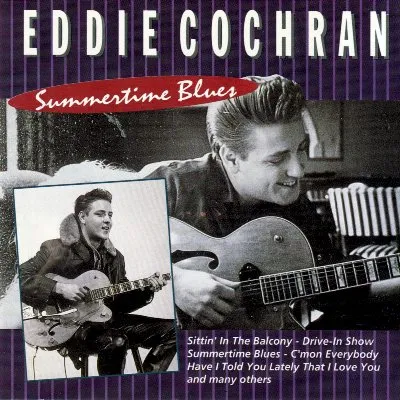
Your first album
Summertime Blues
1966 ·Best starting point
Features Cochran's energetic style and catchy hooks, making it an engaging introduction to his rock sound.
Only have a few minutes?
“C'mon Everybody” from 12 of His Biggest Hits (1960)
Instantly captivating with its infectious rhythm, this track exemplifies Cochran's appeal and youthful exuberance.
Good fit if you like
- quick-fire teenage dance-floor bursts
- snappy frustrations with tender pauses
- twenty compact, varied snapshots
Maybe skip if you
- want one unbroken dance-floor rush
- prefer longer, fully developed songs
02 · Track by track
Songs to start with
If you would rather start with a song than an album.
-
1
“Twenty Flight Rock”
from Singin' to My Baby (1957)
-
2
“Summertime Blues”
from 12 of His Biggest Hits (1960)
A defining rock anthem that addresses teenage discontent with relatable lyrics, it showcases Cochran's ability to capture youth culture's frustrations.
-
3
“Three Steps to Heaven”
from Three Steps to Heaven (1960)
Its measured beat and layered vocal harmonies give Cochran’s advice on romance an unusually tender, polished setting.
-
4
“Long Tall Sally”
from Never to Be Forgotten (1962)
03 · The trail ahead
Listening paths
Pick a route through Eddie Cochran's catalog.
A compact route from Cochran's debut to the hits and his enduring legacy.
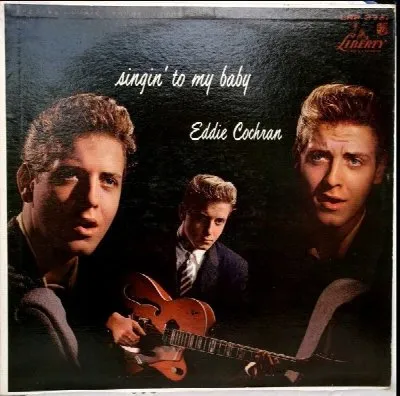
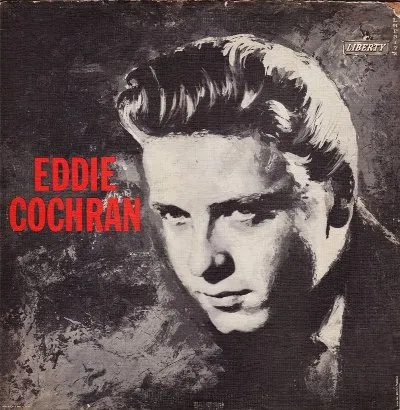
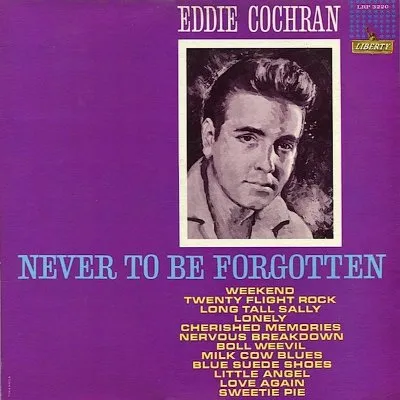
Begin with familiar highlights, then explore broader career-spanning collections.

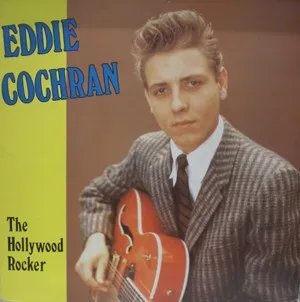
Explore less straightforward collections and the catalog beyond the familiar hits.
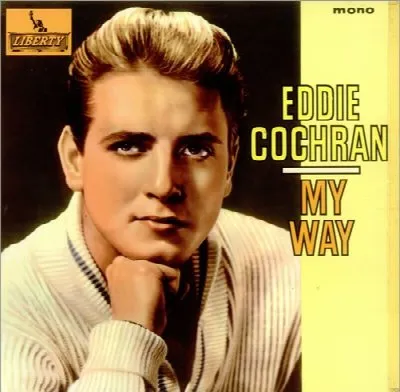
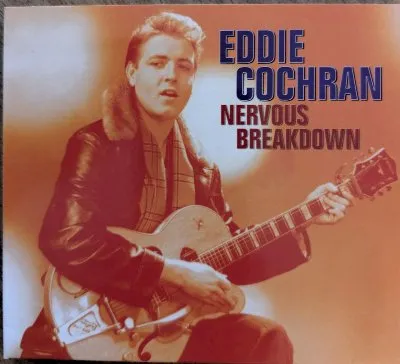

04 · Beyond this guide
Where to go next
-
Buddy Holly Holly's innovative guitar work and catchy melodies resonate with the youthful urgency found in Cochran's music. Start with Buddy Holly (1958)

-
Gene Vincent Vincent's rockabilly style features punchy rhythms and a raw vocal delivery that parallels Cochran's energetic sound. Start with Gene Vincent Rocks and the Blue Caps Roll (1958)

-
Carl Perkins Perkins' blend of rock and country, along with his distinctive guitar riffs, aligns closely with Cochran's musical palette. Start with Dance Album of Carl Perkins (1957)

05 · Keep exploring
The Weekly Dispatch
Every Tuesday, a few more places to start listening.
One short email. Free, unsubscribe anytime. Read this week's.
Common questions
Where should I start with Eddie Cochran?
Start with Summertime Blues (1966). Features Cochran's energetic style and catchy hooks, making it an engaging introduction to his rock sound.
Which Eddie Cochran songs should I hear first?
Start with "C'mon Everybody" from 12 of His Biggest Hits, "Twenty Flight Rock" from Singin' to My Baby, "Summertime Blues" from 12 of His Biggest Hits and "Three Steps to Heaven" from Three Steps to Heaven.
What does Eddie Cochran sound like?
With punchy guitar riffs and infectious rhythms, Cochran's tracks pulse with a sense of urgency that captures both the thrill of youth and the weight of introspection. Rooted in country.
In what order should I listen to Eddie Cochran's albums?
In release order: "Singin' to My Baby" (1957), "12 of His Biggest Hits" (1960), "Never to Be Forgotten" (1962), "The Very Best of Eddie Cochran" (1975), "My Way" (1978), "Eddie Cochran Great Hits" (1983), "The Hollywood Rocker" (1987) and "Nervous Breakdown" (2009).
Which artists should I listen to after Eddie Cochran?
Try Buddy Holly (start with "Buddy Holly"), Gene Vincent (start with "Gene Vincent Rocks and the Blue Caps Roll") and Carl Perkins (start with "Dance Album of Carl Perkins").