


Photo: Prensaescenario · CC BY 3.0

The Northsound field guide
Where to start with Edith Márquez
Vocal-led Latin pop that moves between vulnerability and forceful crescendos.
Edith Márquez puts emotional storytelling and a commanding voice at the center of her Latin pop. Start with Duele for a clear sense of how intimate melodies and vocal crescendos meet in her music, then follow the albums that appeal to you.
- What they sound like
- Expect Latin pop built around lush melodies, intimate rhythms, and a voice that can rise into dynamic crescendos. The emotional pull comes from the contrast between vulnerable storytelling and powerful delivery.
- You'll like this if
- You’ll connect with this if you like emotionally direct songs where the vocal performance carries the drama. Márquez is a good fit when you want expressive singing more than understated delivery.
01 · Your first stop
Start here.
New to Edith Márquez? You don’t need to hear everything. Start with this.

Your first album
Duele
2009 ·Best starting point
Captures her signature sound with emotional depth and melodic richness, showcasing a blend of vulnerability and strength throughout the tracks.
Only have a few minutes?
“Cuando grita la piel” from Cuando grita la piel (2005)
Immediate hook that introduces her style, combining dynamic vocals with an engaging rhythm that draws listeners in effectively.
02 · The trail ahead
The records, in order
Every Edith Márquez studio album, from the first. Once the first stop lands, keep going in either direction.
-
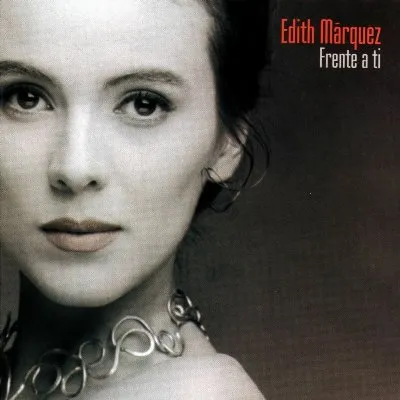
Frente a ti 1998 The catalogued sequence places “Bájale” fourth, followed immediately by “Mírame”; the remaining six tracks continue without a listed reprise or alternate take.
-
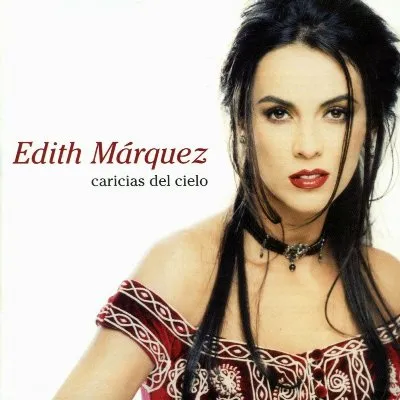
Caricias del cielo 2000 The catalogued sequence has ten tracks, opening with “Un segundo” and closing with “Despedida.”
-
Extravíate 2001 Not yet reviewed

-
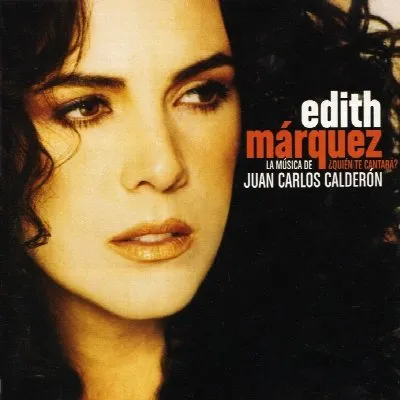
¿Quién te cantará?: La música de Juan Carlos Calderón 2003 Not yet reviewed
-
Cuando grita la piel 2005 Not yet reviewed
-
Memorias del corazón 2007 Not yet reviewed
-
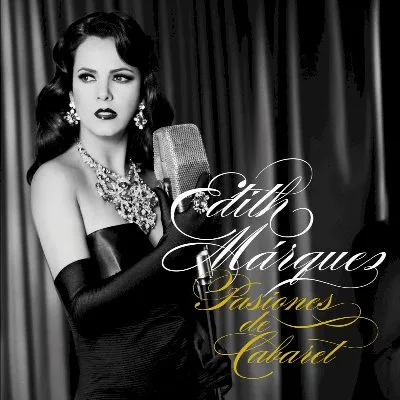
Pasiones de cabaret 2008 The 11-song sequence moves among songs associated with different Latin pop eras and styles, from "Lamento borincano" to "Pero me acuerdo de ti" and "Dígale."
-
Duele 2009 Your first stop The catalogued sequence has 12 tracks, beginning with “Inmune” and closing with “Duele en el alma”; I can’t verify whether this is the original running order.
-
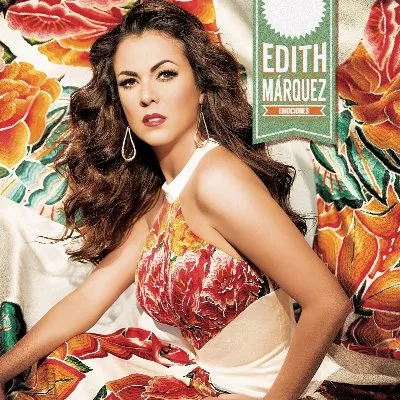
Emociones 2013 Not yet reviewed
-
Emociones [CD+DVD] 2013 Not yet reviewed
03 · Beyond this guide
Where to go next
-
Lucero Start here for polished Mexican pop ballads that open with intimate phrasing and build into the kind of full, expressive vocal peaks Márquez favors. Start with Siempre contigo (1994)

-
Yuri Her dramatic Latin pop and ballad arrangements pair sweeping melodies with a strong, agile voice that moves easily from tenderness to force. Start with Vive la Historia (2007)

-
Ana Gabriel For a more raw-edged take on the same emotional scale, her resonant vocals carry both pop ballads and ranchera-influenced songs through bold crescendos. Start with Mi México (1991)

04 · Keep exploring
The Weekly Dispatch
Every Tuesday, a few more places to start listening.
One short email. Free, unsubscribe anytime. Read this week's.
Common questions
Where should I start with Edith Márquez?
Start with Duele (2009). Captures her signature sound with emotional depth and melodic richness, showcasing a blend of vulnerability and strength throughout the tracks.
What does Edith Márquez sound like?
Expect Latin pop built around lush melodies, intimate rhythms, and a voice that can rise into dynamic crescendos. The emotional pull comes from the contrast between vulnerable storytelling and powerful delivery. Rooted in Latin pop.
In what order should I listen to Edith Márquez's albums?
In release order: "Frente a ti" (1998), "Caricias del cielo" (2000), "Extravíate" (2001), "¿Quién te cantará?: La música de Juan Carlos Calderón" (2003), "Cuando grita la piel" (2005), "Memorias del corazón" (2007), "Pasiones de cabaret" (2008), "Duele" (2009), "Emociones" (2013) and "Emociones [CD+DVD]" (2013). New listeners can start with "Duele" and work outward in either direction.
Which artists should I listen to after Edith Márquez?
Try Lucero (start with "Siempre contigo"), Yuri (start with "Vive la Historia") and Ana Gabriel (start with "Mi México").