

Why Freddie Hubbard Is Worth Your Time
Dive into Freddie Hubbard's adventurous jazz landscape.
Freddie Hubbard reshaped the sonic landscape of jazz, infusing its melodic structures with a fiery boldness that invited both reverence and exploration.
Freddie Hubbard's innovative trumpet playing and dynamic compositions offer a fresh perspective on jazz. His ability to blend technical skill with emotional depth invites listeners into a vibrant world of sound. Exploring his music reveals layers of complexity that challenge and captivate, ensuring a rewarding experience for both new and seasoned jazz fans.
What they sound like
Freddie Hubbard's music features energetic trumpet solos layered over intricate rhythms, creating a lively listening experience. His work spans traditional and avant-garde styles, showcasing his versatility as an artist.
You'll like this if
You'll connect with this if you enjoy exploratory jazz that pushes boundaries while maintaining melodic richness.
Start here
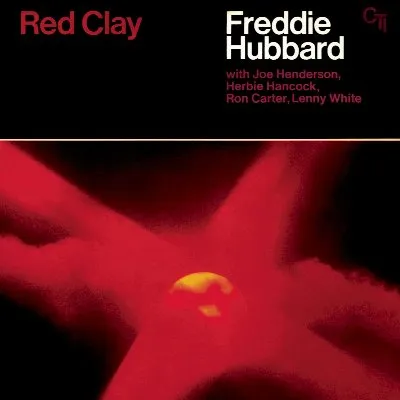
Red Clay
1970
Best starting point
The track features an engaging melody and dynamic interplay that effectively introduces Hubbard's signature approach to jazz trumpet.
Is this for you?
Good fit if you like
- gradual builds and payoffs
- long immersive listening sessions
- dynamic emotional journeys
- atmospheric background focus
Songs to start with
If you'd rather pick a song than an album.
-
1
"Minor Mishap (take 3)" — from Minor Mishap (1989)
opens with the title theme and sets the album's sound
-
2
"Soul Surge" — from Blue Spirits (1967)
establishes the album's sound from the opening
-
3
"The Thrill Is Gone" — from Blues for Miles (1992)
Establishes the album's sound and mood early
-
4
"Backlash" — from Backlash (1967)
opens the album and establishes its sound
-
5
"Gibraltar" — from Born to Be Blue (1982)
opens the in-order listen and establishes the sound
-
6
"Arieties" — from Feel the Wind (1989)
in-order opening establishes the album's progression
Listening paths
Pick a path through Freddie Hubbard's catalog.
A journey through Freddie Hubbard's defining works.
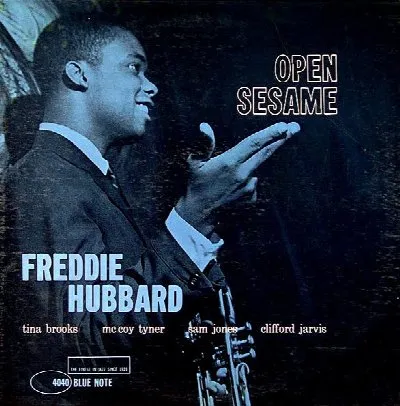
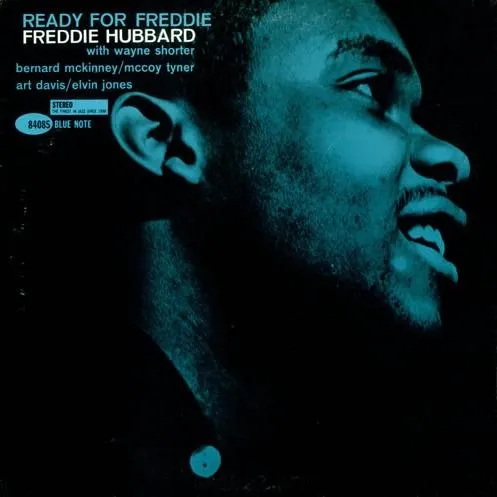
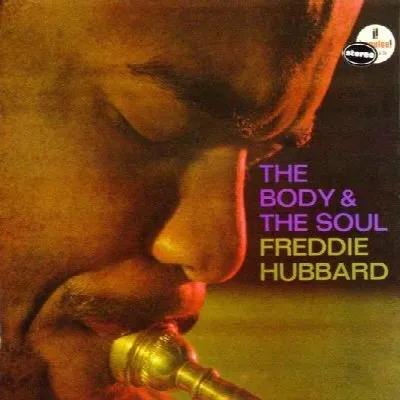
Start here for an easy introduction to Hubbard's music.
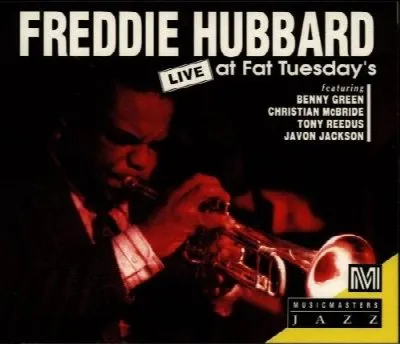
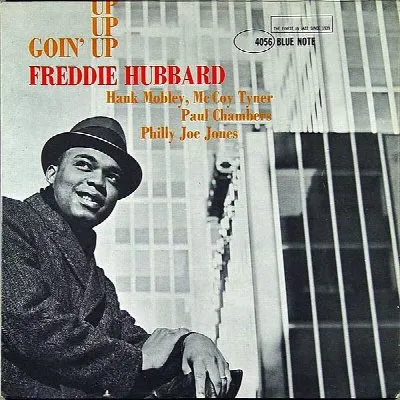
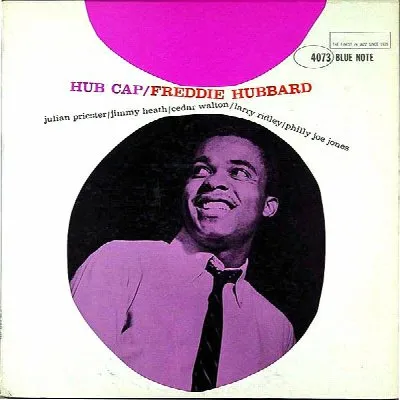
Explore the diverse and adventurous side of Hubbard.
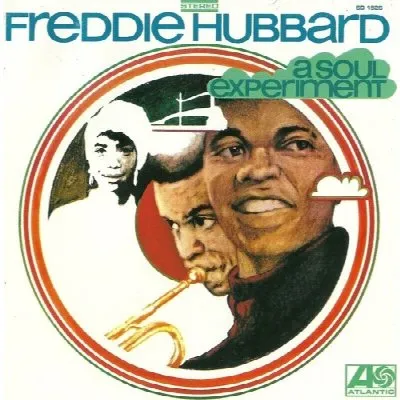
Go deeper
Common questions
Where should I start with Freddie Hubbard?
Start with Red Clay (1970). 'Red Clay' highlights Freddie Hubbard's mastery in blending melody with rhythm, showcasing his ability to draw listeners into the music. The album captures his energetic spirit while also allowing for moments of introspection.
What does Freddie Hubbard sound like?
Freddie Hubbard's music features energetic trumpet solos layered over intricate rhythms, creating a lively listening experience. His work spans traditional and avant-garde styles, showcasing his versatility as an artist. Rooted in jazz.
Who is Freddie Hubbard for?
You'll connect with this if you enjoy exploratory jazz that pushes boundaries while maintaining melodic richness.
How many albums does Freddie Hubbard have?
Freddie Hubbard has 66 releases in their discography, including 53 albums.