

Where to Start with Gene Krupa
A swinging bandleader whose drums push the music into the spotlight.
Gene Krupa stands as a pivotal figure in the evolution of jazz drumming, reshaping the role of the drummer from mere timekeeper to a central, expressive force within the band.
Gene Krupa makes the drum kit impossible to ignore: his crisp snare accents and buoyant swing often drive the music as much as the horns do. Start with Drummer Man for a direct introduction, then branch into his small-group playing or his more forceful drum showcases.
What they sound like
Expect buoyant swing, punchy snare work, and arrangements where the drums have a vivid, foreground role. Krupa’s playing is energetic and theatrical, but it stays rooted in the band’s groove.
You'll like this if
You'll connect with this if you like swing that feels propulsive and playful, or want to hear a drummer shape a band's personality rather than simply keep time.
Start here
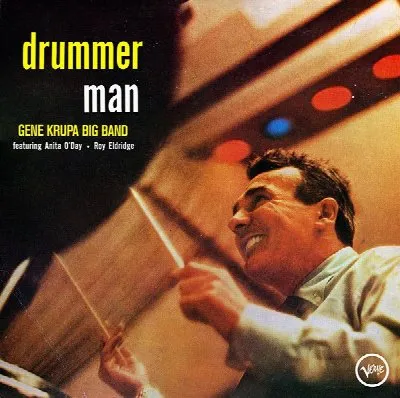
Drummer Man
1956
Best starting point
An engaging track that highlights Krupa's energetic drumming and syncopation, serving as a strong introduction to his musical approach.
Go deeper
Common questions
Where should I start with Gene Krupa?
Start with Drummer Man (1956). Drummer Man is a useful introduction to Krupa's signature balance of tight swing and attention-grabbing percussion. Its title track, “Drum Boogie,” makes the album's drum-forward appeal easy to grasp.
What does Gene Krupa sound like?
Expect buoyant swing, punchy snare work, and arrangements where the drums have a vivid, foreground role. Krupa’s playing is energetic and theatrical, but it stays rooted in the band’s groove. Rooted in jazz and swing.
Who is Gene Krupa for?
You'll connect with this if you like swing that feels propulsive and playful, or want to hear a drummer shape a band's personality rather than simply keep time.
How many albums does Gene Krupa have?
Gene Krupa has 27 releases in their discography, including 8 albums and 17 EPs.