

Why György Ligeti Is Worth Your Time
Experience a dynamic blend of texture and rhythm.
György Ligeti's work matters for its profound influence on contemporary classical music, reshaping the sonic landscape through an exploration of texture and timbre that challenges traditional forms.
György Ligeti's music challenges traditional boundaries, offering a deep exploration of sound that captivates the mind. His compositions are rich with intricate textures and rhythmic complexity that invite listeners into a world where music feels alive and constantly evolving. If you're curious about contemporary classical music, Ligeti’s work provides a fascinating entry point.
What they sound like
Ligeti's work features dense soundscapes with interwoven rhythms and textures that redefine classical music.
You'll like this if
You'll connect with this if you appreciate modern classical compositions that challenge norms and embrace complexity.
Start here

Le Grand Macabre
1999
Best starting point
This choral piece showcases Ligeti's ethereal soundscapes and intricate vocal interplay, making it an engaging standalone introduction to his music.
Listening paths
Pick a path through György Ligeti's catalog.
Explore the key albums that define Ligeti's musical legacy.
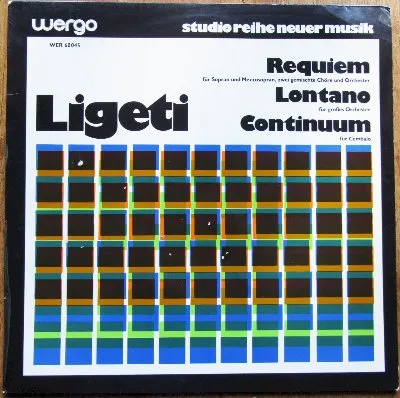


A smooth introduction to Ligeti's captivating sound world.

Dive deep into Ligeti's avant-garde and complex compositions.



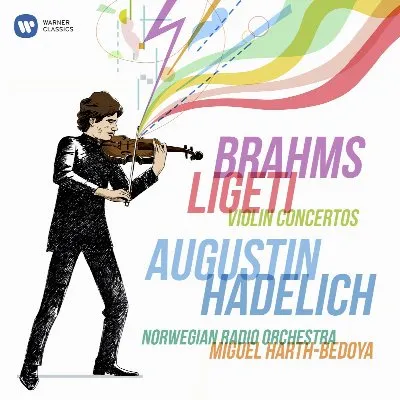
Go deeper
Common questions
Where should I start with György Ligeti?
Start with Le Grand Macabre (1999). This album introduces listeners to Ligeti’s unique textures and rhythmic intricacies within the context of an operatic experience. It showcases how he transforms traditional forms into something refreshingly new.
What does György Ligeti sound like?
Ligeti's work features dense soundscapes with interwoven rhythms and textures that redefine classical music. Rooted in opera.
Who is György Ligeti for?
You'll connect with this if you appreciate modern classical compositions that challenge norms and embrace complexity.
How many albums does György Ligeti have?
György Ligeti has 97 releases in their discography, including 96 albums and 1 EP.