


Photo: Enthekhabat-e Azad · CC0

The Northsound field guide
Where to start with Homayoun Shajarian
Explore the intricate rhythms and melodies of Persian music.
Homayoun Shajarian stands as a significant figure in the contemporary music scene of Iran, weaving traditional Persian sounds into a fabric that speaks to both historical depth and modern relevance.
- What they sound like
- Shajarian's music combines traditional Persian elements with modern arrangements, resulting in lush soundscapes. His emotive vocal delivery enhances the storytelling aspect inherent in his songs.
- You'll like this if
- You'll connect with this if you appreciate intricate musical textures and deep emotional narratives.
01 · Your first stop
Start here.
New to Homayoun Shajarian? You don’t need to hear everything. Start with this.
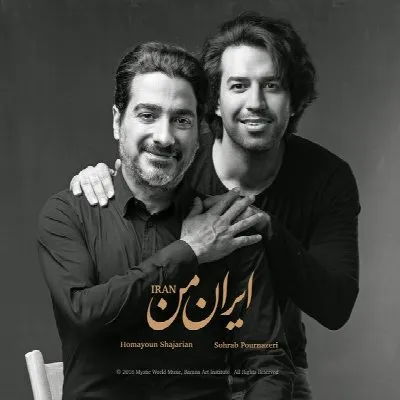
Your first album
Irane Man
2018 ·Best starting point
Showcases Shajarian's signature style with intricate rhythms and emotional depth, providing a cohesive listening experience for newcomers.
02 · The trail ahead
The records, in order
Every Homayoun Shajarian studio album, from the first. Once the first stop lands, keep going in either direction.
-
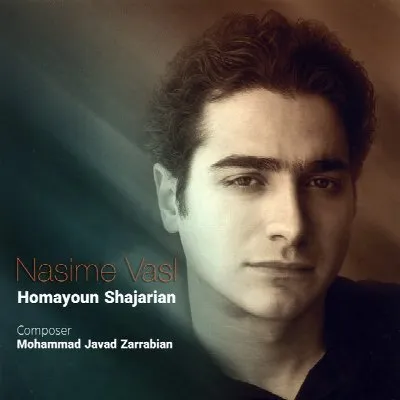
Nasime Vasl 2003 72 /100 Treeline The vocal is set against Persian classical ensemble accompaniment; freer, unmetered vocal passages give way to measured song sections.
-
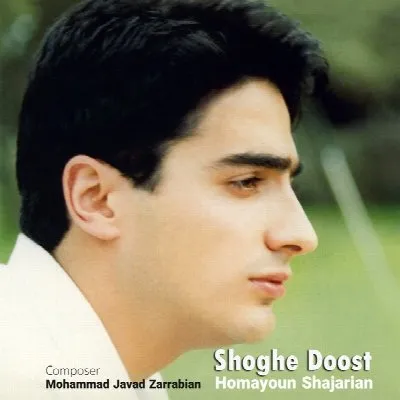
Shoghe Doost 2004 Not yet reviewed
-
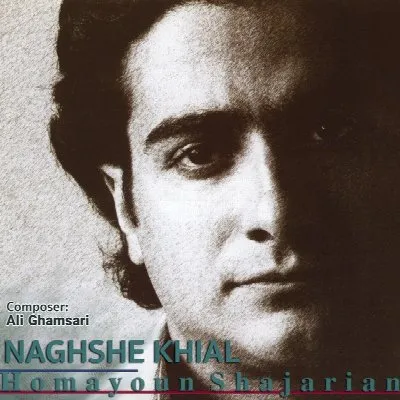
Naghshe Khial 2005 A tar-and-tonbak instrumental sits between the early tasnifs and a later avaz, with “Rakhse Zaar” closing the sequence.
-
Ba Setareha 2006 Not yet reviewed

-
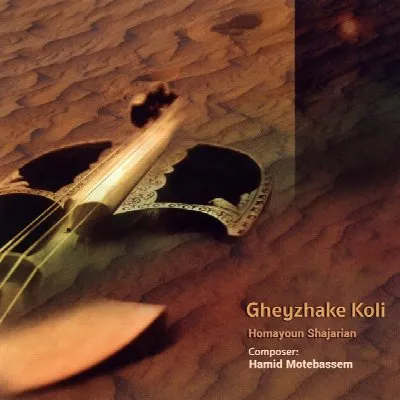
Gheyzhake Koli 2008 The six-track listing alternates named tasnif pieces with two tracks labeled saz va avaz, placing instrumental-vocal sections between composed songs.
-
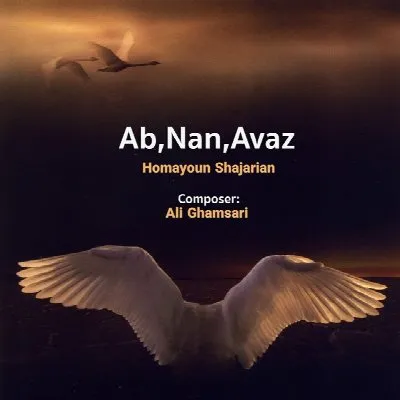
Ab,Nan,Avaz 2009 Not yet reviewed
-
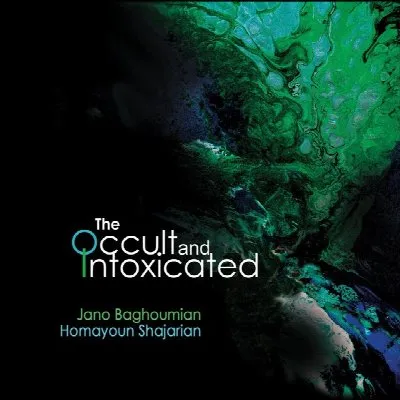
The Occult and the Intoxicated 2015 The catalogued sequence presents seven titled songs, then repeats those seven titles as instrumental versions in the same order.
-
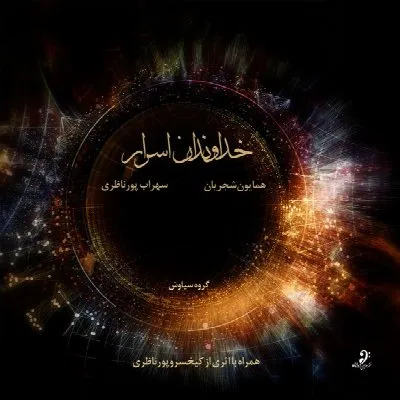
The Lords of the Secrets 2015 Not yet reviewed
-
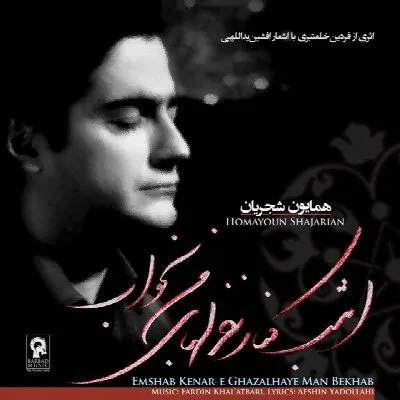
Emshab Kenar-e Ghazalhaye Man Bekhab 2017 The tracklist presents a continuous set of song titles rather than a separately labeled suite, interlude, or bonus section.
-
Irane Man 2018 Your first stop Tracks 8–10 group Sounds of Norooz, Norooz, and Spring Clouds; tracks 12–13 similarly pair Death of Esfandyar - Vocals with Death of Esfandyar.
03 · Beyond this guide
Where to go next
-
Mohammad-Reza Shajarian For the same finely ornamented Persian classical vocal style, with expressive phrasing shaped by the radif and a deep emotional pull. Start with Astan-e Janan (1985)

-
Alireza Ghorbani His resonant voice and sweeping melodic lines pair Persian classical forms with polished contemporary arrangements. Start with Afsaneye Chashmhayat (2019)

-
Shahram Nazeri Listen for a powerful, highly ornamented voice moving through Persian and Kurdish modes over intricate traditional textures. Start with Gol-e Sadbarg (1984)

04 · Keep exploring
The Weekly Dispatch
Every Tuesday, a few more places to start listening.
One short email. Free, unsubscribe anytime. Read this week's.
Common questions
Where should I start with Homayoun Shajarian?
Start with Irane Man (2018). Showcases Shajarian's signature style with intricate rhythms and emotional depth, providing a cohesive listening experience for newcomers.
What does Homayoun Shajarian sound like?
Shajarian's music combines traditional Persian elements with modern arrangements, resulting in lush soundscapes. His emotive vocal delivery enhances the storytelling aspect inherent in his songs. Rooted in music of Iran.
In what order should I listen to Homayoun Shajarian's albums?
In release order: "Nasime Vasl" (2003), "Shoghe Doost" (2004), "Naghshe Khial" (2005), "Ba Setareha" (2006), "Gheyzhake Koli" (2008), "Ab,Nan,Avaz" (2009), "The Occult and the Intoxicated" (2015), "The Lords of the Secrets" (2015), "Emshab Kenar-e Ghazalhaye Man Bekhab" (2017) and "Irane Man" (2018). New listeners can start with "Irane Man" and work outward in either direction.
Which artists should I listen to after Homayoun Shajarian?
Try Mohammad-Reza Shajarian (start with "Astan-e Janan"), Alireza Ghorbani (start with "Afsaneye Chashmhayat") and Shahram Nazeri (start with "Gol-e Sadbarg").