



The Northsound field guide
Where to start with Jacky Terrasson
With 15 session-worthy albums spanning 1994–2024, Jacky Terrasson’s catalog can be hard to navigate without a starting point. This guide gives you a clear way in to his playful, rhythmically intricate take on bebop.
01 · Your first stop
Start here.
New to Jacky Terrasson? You don’t need to hear everything. Start with this.
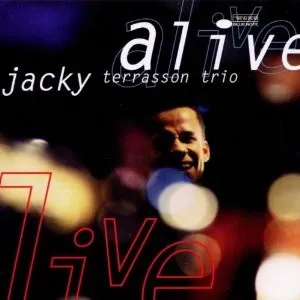
Your first album
Alive
1998 ·Best starting point
Captures his signature sound with a vibrant interplay of rhythm and melody, providing a cohesive listening experience for jazz newcomers.
Only have a few minutes?
“Gouache” from Gouache (2012)
Immediate hook with playful complexity that introduces Terrasson's style, making it an engaging standalone track.
Good fit if you like
- hourlong attentive listening
- unhurried nine-minute explorations
- familiar standards with reflective titles
- varied moods across a focused
Maybe skip if you
- want quick, instantly changing tracks
- prefer a tightly uniform mood
02 · Track by track
Songs to start with
If you would rather start with a song than an album.
-
1
“Smile”
from Smile (2002)
The title track stands out for its lyrical interpretation and the way it reimagines a well-known standard with a fresh, lively approach.
-
2
“I Love Paris in the Springtime”
from A Paris... (2001)
-
3
“Try to Catch Me”
from Gouache (2012)
This track opens the album with a playful energy, featuring a lively exchange between the piano and bass that sets the tone for the entire project.
-
4
“Reach / Smoke Gets in Your Eyes”
from Reach (1995)
The extended medley places Terrasson’s own writing alongside a familiar standard, making the relationship between invention and inherited melody central to the performance.
-
5
“Sam’s Song”
from What It Is (1999)
The opening track gives Terrasson room to develop an idea over more than seven minutes, introducing the album’s balance of compositional shape and improvisational freedom.
03 · The trail ahead
The records, in order
Every Jacky Terrasson studio album, from the first. Once the first stop lands, keep going in either direction.
-
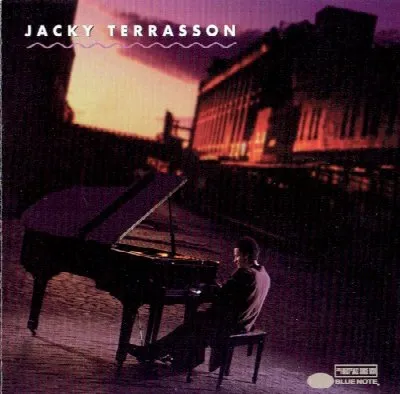
Jacky Terrasson 1994 62 /100 Foothills
-
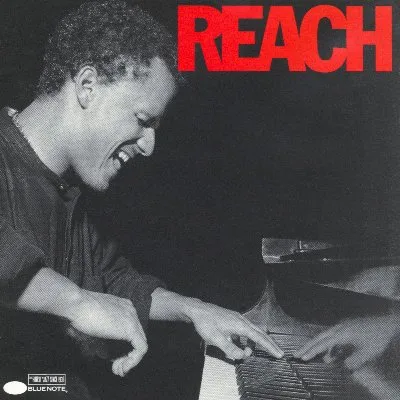
Reach 1995 72 /100 Treeline The album features a consistent use of piano as the lead instrument, with intricate melodies that often shift in tempo and dynamics.
-
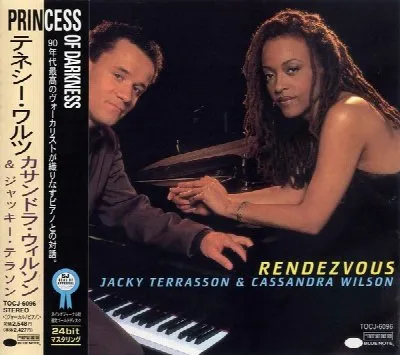
Rendezvous 1997 68 /100 Treeline Several tracks incorporate expressive vocal collaborations, adding an additional layer of depth to the instrumental arrangements.
-
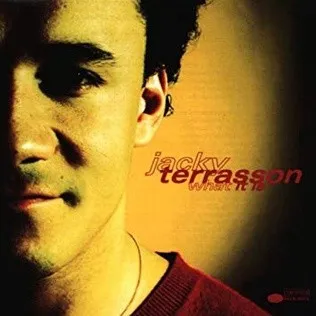
What It Is 1999 72 /100 Treeline The album features a consistent use of intricate piano melodies, often accompanied by subtle bass and percussion that create a fluid interplay.
-
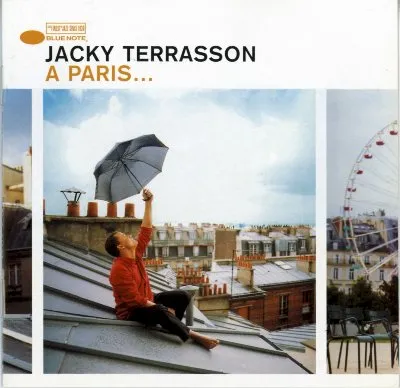
A Paris... 2001 73 /100 Treeline The first half of the album maintains a lively tempo, while the latter half introduces slower, more reflective pieces.
-
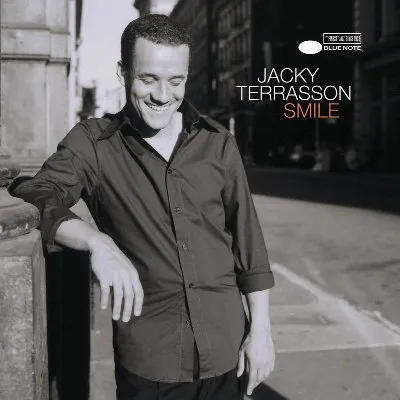
Smile 2002 84 /100 Summit Each track features intricate piano solos that showcase Terrasson's improvisational skills, often diverging from the original melodies.
-
Mirror 2007 62 /100 Foothills The arrangement often includes call-and-response sections between the piano and other instruments, creating a dynamic interplay.

-
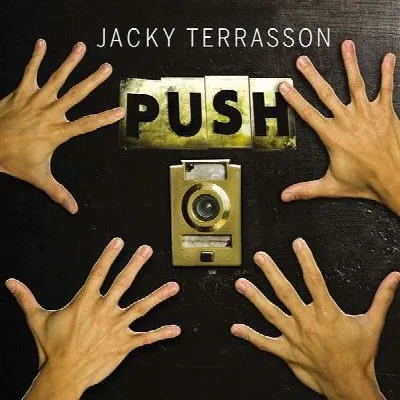
Push 2010 71 /100 Treeline Improvisation is prominent throughout, with extended solos that showcase the musicians' virtuosity.
-
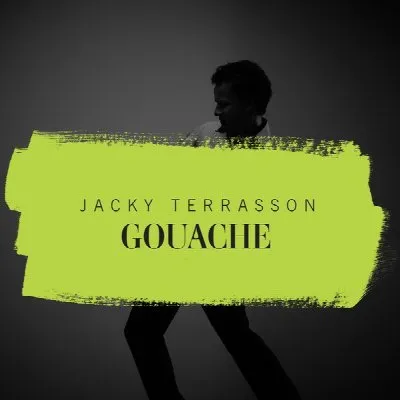
Gouache 2012 73 /100 Treeline Each track varies in tempo and mood, with some pieces maintaining a lively pace while others explore more contemplative themes.
-
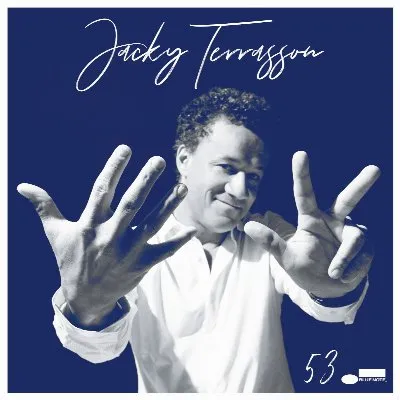
53 2019 71 /100 Treeline The sequencing includes both shorter pieces and extended improvisational segments, allowing for varied pacing that keeps the listener engaged.
04 · Beyond this guide
Where to go next
-
Michel Camilo Try Camilo for similarly fleet, playful piano lines, knotty rhythms, and Latin-inflected trio energy. Start with One More Once (1994)

-
Gonzalo Rubalcaba Rubalcaba pairs virtuosic bebop runs with agile rhythmic shifts and a bright, percussive touch. Start with Supernova (2001)

-
Chick Corea Corea’s nimble post-bop piano, adventurous harmonies, and lively rhythmic interplay make a natural next listen. Start with Return to Forever (1972)

05 · Keep exploring
The Weekly Dispatch
Every Tuesday, a few more places to start listening.
One short email. Free, unsubscribe anytime. Read this week's.
Common questions
Where should I start with Jacky Terrasson?
Start with Alive (1998). Captures his signature sound with a vibrant interplay of rhythm and melody, providing a cohesive listening experience for jazz newcomers.
Which Jacky Terrasson songs should I hear first?
Start with "Gouache" from Gouache, "Smile" from Smile, "I Love Paris in the Springtime" from A Paris... and "Try to Catch Me" from Gouache.
What does Jacky Terrasson sound like?
A playful yet intricate interplay of rhythmic complexity and melodic fluidity creates a vibrant conversation between notes, drawing listeners into a kinetic dance of sound. Rooted in bebop.
In what order should I listen to Jacky Terrasson's albums?
In release order: "Jacky Terrasson" (1994), "Reach" (1995), "Rendezvous" (1997), "What It Is" (1999), "A Paris..." (2001), "Smile" (2002), "Mirror" (2007), "Push" (2010), "Gouache" (2012) and "53" (2019).
Which artists should I listen to after Jacky Terrasson?
Try Michel Camilo (start with "One More Once"), Gonzalo Rubalcaba (start with "Supernova") and Chick Corea (start with "Return to Forever").