


Photo: Exoport · CC BY-SA 3.0

The Northsound field guide
Where to start with Joachim Witt
Joachim Witt’s catalog spans synth-led Neue Deutsche Welle pop, darker rock, and industrial textures, so choosing a first listen can be difficult. This guide gives you a clear entry point with Silberblick and explains how to continue through his changing styles.
01 · Your first stop
Start here.
New to Joachim Witt? You don’t need to hear everything. Start with this.
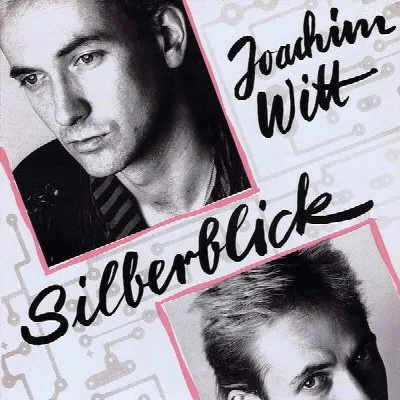
Your first album
Silberblick
1980 ·Best starting point
Silberblick is a clear first stop for hearing Witt’s early Neue Deutsche Welle period: its synth-led, tightly paced songs pair pop structures with a cool, dramatic edge. The record gives a coherent sense of this side of his catalog, before later releases moved further toward darker rock and industrial textures.
Only have a few minutes?
“Der goldene Reiter”
A driving synth pulse and Witt’s dramatic vocal make this an engaging introduction to his early, sharp-edged Neue Deutsche Welle sound.
02 · The trail ahead
Listening paths
Pick a route through Joachim Witt's catalog.
Follow Witt from his Neue Deutsche Welle breakthrough into darker, orchestral reinventions.
-
1Silberblick (1980) Start with the stark, defining sound of his early breakthrough.
-
2Bayreuth Eins (1998) Hear his dramatic return in a darker, grander mode.
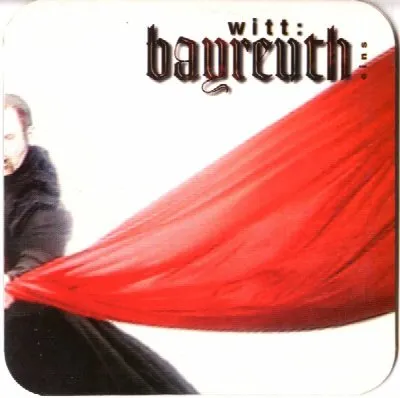
-
3Dom (2012) Continue into the weightier, modern sound of his later work.
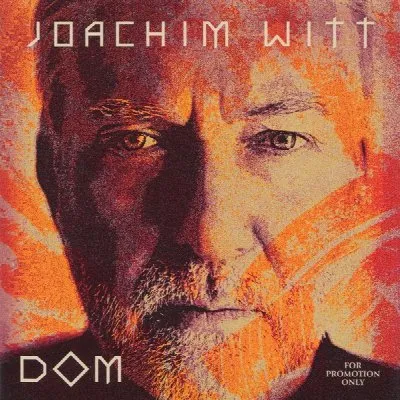
-
4Rübezahl (2017) Close with a mythic, expansive chapter in his recent career.
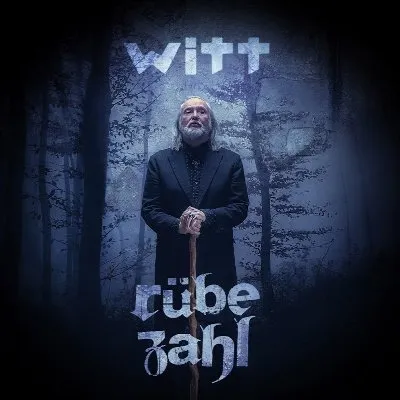
Begin with memorable hooks, then move toward Witt's more theatrical and darker sides.
-
1Silberblick (1980) A direct entry point, anchored by his best-known early sound.
-
2Pop (2004) A comparatively straightforward stop before the heavier material.
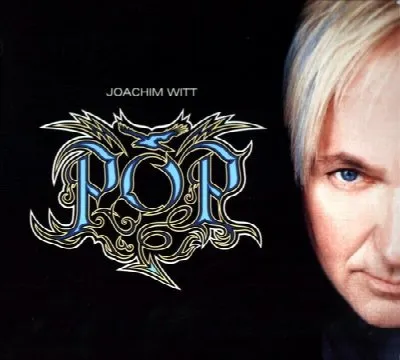
-
3Bayreuth Eins (1998) Introduce his dark, cinematic reinvention through a strong set of songs.
-
4Dom (2012) Take the final step into denser, more forceful arrangements.
Explore Witt's stylistic shifts, from early atmospheric work to later concept-driven records.
-
1Märchenblau (1983) Begin with a less familiar turn from his early period.
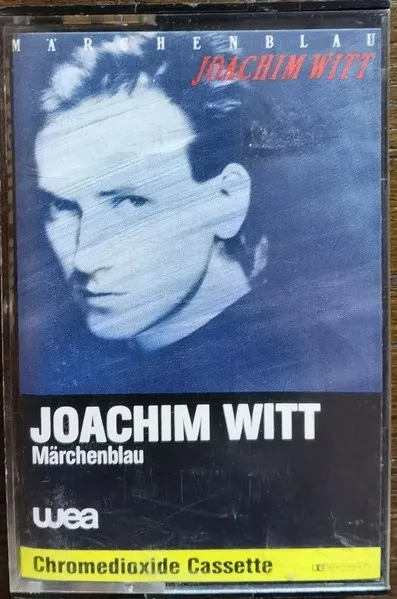
-
2Bayreuth Zwei (2000) Push further into the dark, theatrical world of the Bayreuth era.
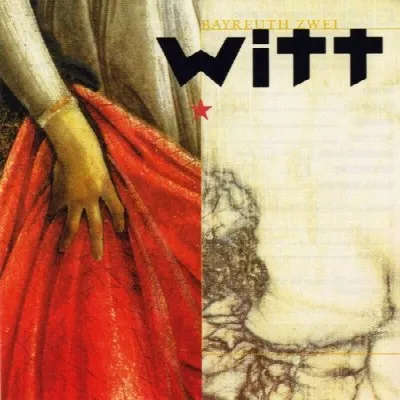
-
3Eisenherz (2002) Hear a heavier, more industrial-leaning direction.
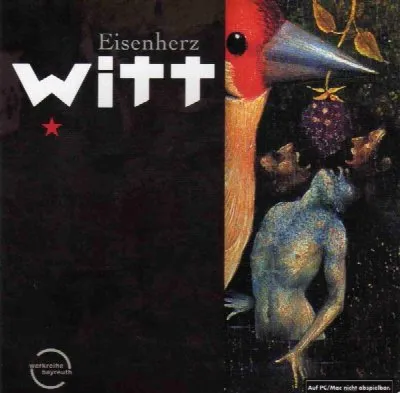
-
4Neumond (2014) Explore a later chapter that shifts the palette again.
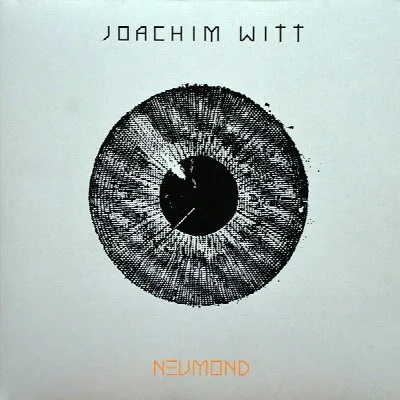
-
5Rübezahls Reise (2022) Finish with an expansive continuation of his mythic late-period work.
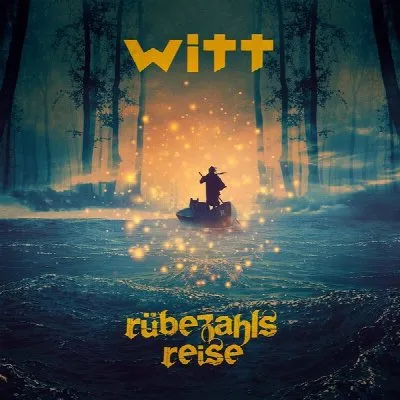
03 · Beyond this guide
Where to go next
-
Unheilig Shared genres: Neue Deutsche Härte, gothic rock, industrial rock Start with Lichter der Stadt (2012)

-
Blutengel Shared genres: dark wave, gothic rock, industrial music Start with Labyrinth (2004)

-
Swans Shared genres: gothic rock, industrial music, industrial rock Start with To Be Kind (2014)

04 · Keep exploring
The Weekly Dispatch
Every Tuesday, a few more places to start listening.
One short email. Free, unsubscribe anytime. Read this week's.
Common questions
Where should I start with Joachim Witt?
Start with Silberblick (1980). Silberblick is a clear first stop for hearing Witt’s early Neue Deutsche Welle period: its synth-led, tightly paced songs pair pop structures with a cool, dramatic edge. The record gives a coherent sense of this side of his catalog, before later releases moved further toward darker rock and industrial textures.
What does Joachim Witt sound like?
Witt's music pulses with a gritty intensity, characterized by rhythmic drive that balances restraint with moments of soaring emotional release. Rooted in gothic rock and industrial music.
In what order should I listen to Joachim Witt's albums?
In release order: "Silberblick" (1980), "Edelweiß" (1982), "Kapitän der Träume" (1992), "Bayreuth Eins" (1998), "Bayreuth Zwei" (2000), "Eisenherz" (2002), "Pop" (2004), "Bayreuth 3" (2006), "Dom" (2012) and "Neumond" (2014).
Which artists should I listen to after Joachim Witt?
Try Unheilig (start with "Lichter der Stadt"), Blutengel (start with "Labyrinth") and Swans (start with "To Be Kind").