


Photo: Reyz at English Wikipedia (Original text: Andrew Kounitskiy) · CC BY-SA 3.0
The Northsound field guide
Where to start with Johnny Griffin
A quick-witted tenor voice, heard first in a balanced, accessible small-group setting.
Johnny Griffin makes the tenor saxophone feel fast-moving and conversational, with tightly packed runs that still leave room for a tune to breathe. Start with Change of Pace for a clear introduction to that balance, then follow the route that fits your appetite for hard bop, unusual arrangements, or a looser groove.
- What they sound like
- Expect brisk, intricate tenor-saxophone lines set against swinging small-group jazz. Griffin can sound exhilaratingly quick, but his phrasing stays connected to the shape of the tune.
- You'll like this if
- You'll connect with Griffin if you enjoy jazz soloists who make speed feel expressive rather than purely technical. His records also suit listeners who want lively ensemble interplay without losing sight of the melody.
01 · Your first stop
Start here.
New to Johnny Griffin? You don’t need to hear everything. Start with this.

Your first album
Change of Pace
1961 ·Best starting point
Showcases Griffin's vibrant energy and intricate melodies, making it a solid representation of his post-bop style and accessible for new listeners.
Good fit if you like
- late-night calm beside playful bounce
- a nocturne amid cheeky titles
- nine compact midlength turns
- a varied mood in forty
Maybe skip if you
- want one mood throughout
- prefer extended track-length explorations
02 · Track by track
Songs to start with
If you would rather start with a song than an album.
-
1
“What's New”
from Johnny Griffin Sextet (1958)
Griffin's interpretation of this standard brings a fresh perspective, using intricate phrasing that elevates the familiar melody into an exploratory space.
-
2
“Black Is the Color of My True Love's Hair”
from The Kerry Dancers (1962)
-
3
“The Way You Look Tonight”
from A Blowin' Session (1957)
This track features an extended saxophone solo that showcases Griffin's lyrical expressiveness and technical prowess, making it a hallmark of his style.
-
4
“Cherokee”
from Introducing Johnny Griffin (1957)
Griffin's interpretation of this jazz standard highlights his technical skill and ability to navigate complex chord changes with ease, making it a standout performance.
-
5
“Sunny Monday”
from Way Out! (1958)
The extended improvisation showcases Griffin's ability to weave intricate melodies through complex harmonies, creating a relaxed yet engaging atmosphere.
03 · The trail ahead
Listening paths
Pick a route through Johnny Griffin's catalog.
Follow Griffin from hard-driving introductions to adventurous, distinctive settings.
-
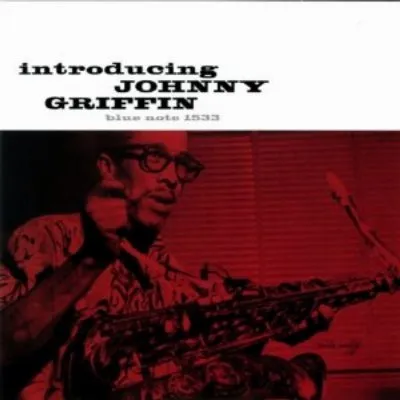
1Introducing Johnny Griffin (1957) Start with the direct, energetic statement that establishes his sound.
-
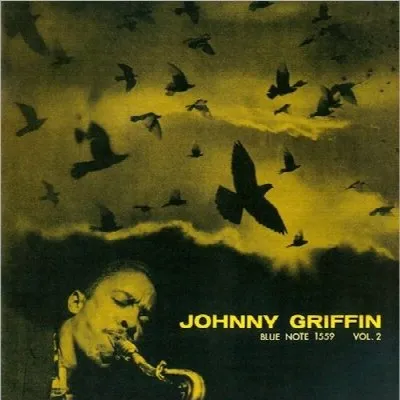
2A Blowin' Session (1957) Hear him trade ideas with fellow saxophonists in a spirited setting.
-
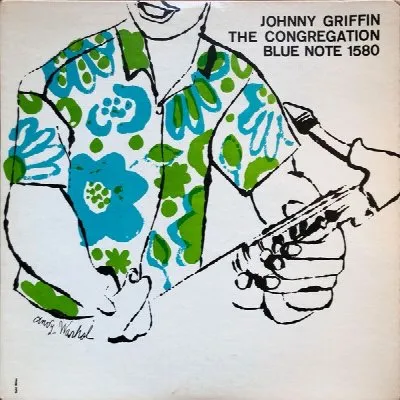
3The Congregation (1958) A focused small-group date that puts his forceful playing up front.
-
4The Kerry Dancers (1962) Finish with a more arranged setting that broadens the picture.
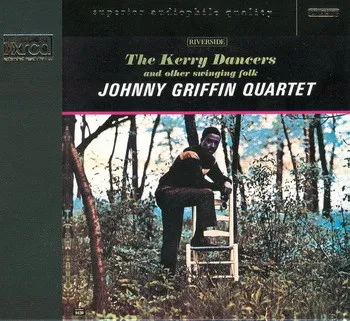
Begin with inviting ensemble sounds, then take in Griffin's more intimate side.

Explore Griffin through unusual repertoire, arrangements, and changing textures.
-
1Lookin' at Monk! (1961) Hear Griffin interpret the distinctive compositions of Thelonious Monk.

-
2The Kerry Dancers (1962) Discover how arranged material reshapes his brisk, assertive style.
-
3Vivaldi's Four Seasons In Jazz (1966) Take in an ambitious jazz approach to classical source material.
-
4Griff'n'Bags (1997) End with a later-career pairing that brings a different ensemble color.
04 · Beyond this guide
Where to go next
-
Sonny Rollins Rollins shares a similar post-bop sensibility, known for his dynamic improvisation and powerful tenor saxophone lines. Start with Saxophone Colossus (1956)

-
Wayne Shorter Shorter's compositions and playing style feature intricate melodies and complex harmonies that resonate with Griffin's energetic approach. Start with Speak No Evil (1964)

-
John Coltrane Coltrane's intense improvisational style and exploration of modal jazz align closely with the frenetic energy found in Griffin's work. Start with A Love Supreme (1965)

05 · Keep exploring
The Weekly Dispatch
Every Tuesday, a few more places to start listening.
One short email. Free, unsubscribe anytime. Read this week's.
Common questions
Where should I start with Johnny Griffin?
Start with Change of Pace (1961). Showcases Griffin's vibrant energy and intricate melodies, making it a solid representation of his post-bop style and accessible for new listeners.
Which Johnny Griffin songs should I hear first?
Start with "What's New" from Johnny Griffin Sextet, "Black Is the Color of My True Love's Hair" from The Kerry Dancers, "The Way You Look Tonight" from A Blowin' Session and "Cherokee" from Introducing Johnny Griffin.
What does Johnny Griffin sound like?
Expect brisk, intricate tenor-saxophone lines set against swinging small-group jazz. Griffin can sound exhilaratingly quick, but his phrasing stays connected to the shape of the tune. Rooted in post-bop.
In what order should I listen to Johnny Griffin's albums?
In release order: "A Blowin' Session" (1957), "Introducing Johnny Griffin" (1957), "Johnny Griffin Sextet" (1958), "Way Out!" (1958), "The Congregation" (1958), "The Little Giant" (1959), "The Kerry Dancers" (1962), "Grab This!" (1962), "Do Nothing 'til You Hear from Me" (1963) and "Soul Groove" (1964).
Which artists should I listen to after Johnny Griffin?
Try Sonny Rollins (start with "Saxophone Colossus"), Wayne Shorter (start with "Speak No Evil") and John Coltrane (start with "A Love Supreme").