

Where to Start with Keith Jarrett
Melodic quartet jazz opens the door to Jarrett’s restless, expressive improvising.
Keith Jarrett matters because he reshaped the landscape of improvised music, turning solo piano performances into explorative journeys that resonate deeply with both intimate and expansive emotional experiences.
Keith Jarrett can make an improvised performance feel both carefully shaped and completely alive. Start with Belonging for a melodic quartet sound, then follow the music toward his solo piano work or more exploratory ensembles.
What they sound like
Jarrett moves between nimble jazz lines, lyrical melodies, and passages that build through repetition and tension. Belonging presents that approach in an ensemble setting, with saxophone and rhythm section alongside his piano.
You'll like this if
You'll connect with this if you like jazz that balances memorable melodies with improvisation that can stretch and shift. It’s a good fit if you want to hear a group respond to one another rather than begin with an extended solo performance.
Start here
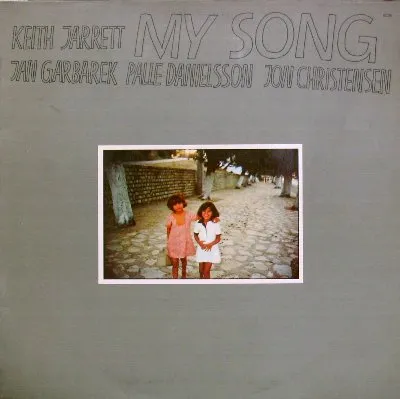
After this: My Song — Melodic and accessible, great for casual listeners.
Songs to start with
If you'd rather pick a song than an album.
-
1
"Birth" — from Birth (1971)
accessible entry with immediate hook
-
2
"Restoration Ruin" — from Restoration Ruin (1968)
establishes the sonic palette early
-
3
"Byablue" — from Byablue (1977)
establishes the sonic palette early
-
4
"Hymn of Remembrance" — from Hymns/Spheres (1976)
establishes the sonic palette early
-
5
"Grow Your Own" — from Gary Burton & Keith Jarrett (1971)
establishes the sonic palette early
-
6
"In Front" — from Facing You (1972)
accessible entry with immediate hook
Listening paths
Pick a path through Keith Jarrett's catalog.
Explore the core of Keith Jarrett's musical journey.

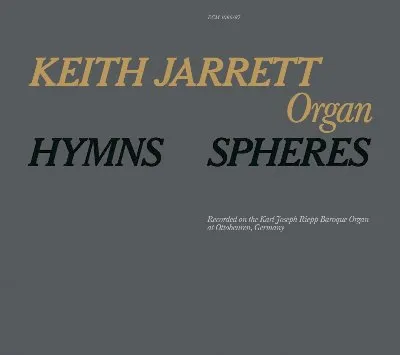
A smooth entry into Keith Jarrett's music for new listeners.

Delve into the diverse and innovative works of Jarrett.


Go deeper
Common questions
Where should I start with Keith Jarrett?
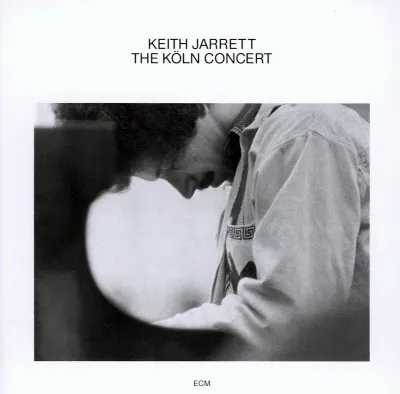
Start with The Köln Concert (1975). Belonging is a strong first listen because its melodies give you something to hold onto while the quartet’s playing keeps developing around them. It also introduces Jarrett as a collaborator, not only as a solo pianist.
What does Keith Jarrett sound like?
Jarrett moves between nimble jazz lines, lyrical melodies, and passages that build through repetition and tension. Belonging presents that approach in an ensemble setting, with saxophone and rhythm section alongside his piano. Rooted in jazz.
Who is Keith Jarrett for?
You'll connect with this if you like jazz that balances memorable melodies with improvisation that can stretch and shift. It’s a good fit if you want to hear a group respond to one another rather than begin with an extended solo performance.
How many albums does Keith Jarrett have?
Keith Jarrett has 99 releases in their discography, including 53 albums.