



The Northsound field guide
Where to start with Keith Richards
Discover the groove-driven world of Keith Richards' solo work.
Keith Richards stands as a pillar of rock history, embodying the spirit of rebellion and raw authenticity that has defined generations.
- What they sound like
- Keith Richards blends blues rock with staccato riffs and earthy textures, creating a sound that feels both timeless and immediate.
- You'll like this if
- You'll connect with this if you appreciate rock music that prioritizes rhythm and groove over technical precision.
01 · Your first stop
Start here.
New to Keith Richards? You don’t need to hear everything. Start with this.
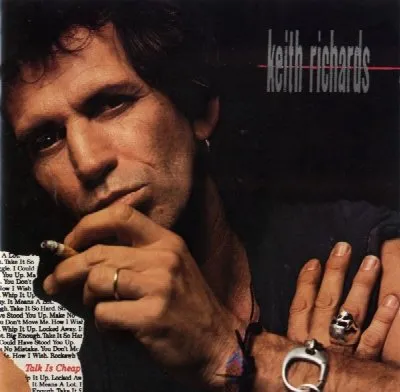
Your first album
Talk Is Cheap
1998 ·Best starting point
Captures Richards' signature blues rock sound with a cohesive mix of grooves and textures, making it an accessible entry point into his solo work.
Only have a few minutes?
“Take It So Hard”
A punchy guitar riff and Richards’ gravelly delivery make this a direct, engaging introduction to the blues-rock side of his solo work.
Good fit if you like
- gritty storytelling with swagger
- late-night drive energy
- casual sing-along opportunities
- reflective moments of nostalgia
Maybe skip if you
- prefer polished production values
- seek instant gratification tracks
02 · Track by track
Songs to start with
If you would rather start with a song than an album.
-
1
“Wicked as It Seems”
from Main Offender (1992)
-
2
“Heartstopper”
from Crosseyed Heart (2015)
This track features an infectious groove and demonstrates Richards' knack for storytelling, combining raw emotion with a catchy melody.
03 · The trail ahead
The records, in order
Every Keith Richards studio album, from the first. Once the first stop lands, keep going in either direction.
-
Main Offender 1992 77 /100 Alpine Several tracks feature call-and-response vocal patterns, enhancing the live feel of the recordings.
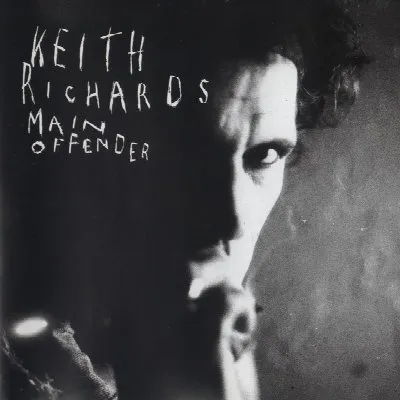
-
Talk Is Cheap 1998 73 /100 Treeline Your first stop The first half of the album features a consistent mid-tempo groove, while the second half introduces slower ballads that shift the emotional tone.
-
Crosseyed Heart 2015 71 /100 Treeline The album features a consistent use of bluesy guitar riffs that drive most tracks, with Richards' vocals layered prominently over the instrumentation.
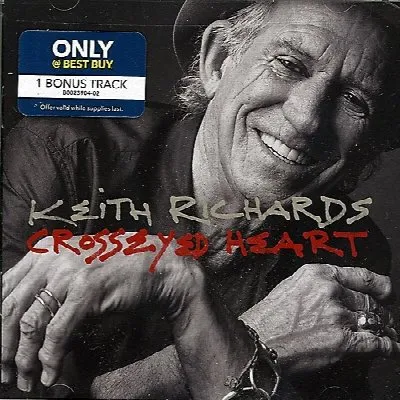
04 · Beyond this guide
Where to go next
-
Ronnie Wood For loose, interlocking guitar parts and a lived-in blend of blues, R&B, and rock and roll, try Wood’s solo records. Start with I've Got My Own Album to Do (1974)

-
Chuck Berry Berry’s clipped guitar riffs and buoyant, dance-ready rock and roll are a clear source for Richards’ rhythmic approach. Start with Chuck Berry's Golden Hits (1967)

-
Bo Diddley His insistent, syncopated guitar patterns and earthy, percussive grooves offer the same kind of primal rhythmic pull. Start with Bo Diddley (1958)

05 · Keep exploring
The Weekly Dispatch
Every Tuesday, a few more places to start listening.
One short email. Free, unsubscribe anytime. Read this week's.
Common questions
Where should I start with Keith Richards?
Start with Talk Is Cheap (1998). Captures Richards' signature blues rock sound with a cohesive mix of grooves and textures, making it an accessible entry point into his solo work.
Which Keith Richards songs should I hear first?
Start with "Take It So Hard" from Talk Is Cheap, "Wicked as It Seems" from Main Offender and "Heartstopper" from Crosseyed Heart.
What does Keith Richards sound like?
Keith Richards blends blues rock with staccato riffs and earthy textures, creating a sound that feels both timeless and immediate. Rooted in R&B and rock & roll.
In what order should I listen to Keith Richards' albums?
In release order: "Main Offender" (1992), "Talk Is Cheap" (1998) and "Crosseyed Heart" (2015). New listeners can start with "Talk Is Cheap" and work outward in either direction.
Which artists should I listen to after Keith Richards?
Try Ronnie Wood (start with "I've Got My Own Album to Do"), Chuck Berry (start with "Chuck Berry's Golden Hits") and Bo Diddley (start with "Bo Diddley").