

Where to Start with Martha Argerich
A pianist of striking contrasts: volcanic momentum, lyrical turns, and vivid musical detail.
Martha Argerich is a transformative figure in classical music, reshaping the expectations of piano performance through her fierce intensity and emotional honesty.
Martha Argerich can make a piano sound both fiercely immediate and finely expressive. Start with a concerto that puts her forceful attack and quick shifts of mood on display, then follow the thread into more intimate and contrasting repertoire.
What they sound like
Expect bold, sharply defined piano playing that can turn from surging energy to singing lyricism without losing its sense of direction. In orchestral works, the piano feels like an active voice in the drama, not just a display of technique.
You'll like this if
You'll connect with Argerich if you like classical performances that feel spontaneous and physically charged, especially in concertos. Her intensity may be less appealing if you prefer restrained, evenly polished interpretations.
Start here
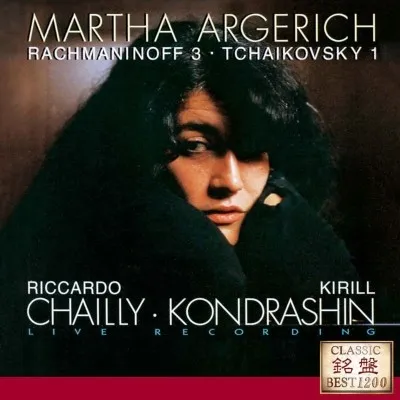
Rachmaninov Piano Concerto No.3, Tchaikovsky Piano Concerto No.1 : Argerich(P)Chailly / Kondrashin /
2016
Best starting point
The opening movement features a powerful orchestral introduction followed by Argerich's expressive piano playing, embodying her dynamic style.
Go deeper
Common questions
Where should I start with Martha Argerich?
Start with Rachmaninov Piano Concerto No.3, Tchaikovsky Piano Concerto No.1 : Argerich(P)Chailly / Kondrashin / (2016). This pairing gives a first-time listener two clear angles on Argerich: the expansive, lyrical sweep of Tchaikovsky and the bright, rhythmically demanding writing of Stravinsky. It is a direct introduction to her ability to make virtuosity feel dramatic rather than merely showy.
What does Martha Argerich sound like?
Expect bold, sharply defined piano playing that can turn from surging energy to singing lyricism without losing its sense of direction. In orchestral works, the piano feels like an active voice in the drama, not just a display of technique. Rooted in classical.
Who is Martha Argerich for?
You'll connect with Argerich if you like classical performances that feel spontaneous and physically charged, especially in concertos. Her intensity may be less appealing if you prefer restrained, evenly polished interpretations.
How many albums does Martha Argerich have?
Martha Argerich has 14 releases in their discography, including 13 albums.