


Photo: Ruben Ortega · CC BY-SA 4.0

The Northsound field guide
Where to start with Melendi
Dive into Melendi's rhythmic pop-infused storytelling.
Melendi's music is a vibrant blend of Cuban rumba, pop, and rock that invites listeners to explore their emotions through catchy melodies and intricate rhythms. His storytelling captures both personal experiences and cultural narratives, making his songs resonate deeply with audiences.
- What they sound like
- Melendi creates a lively sound that marries traditional Cuban rhythms with modern pop elements.
- You'll like this if
- You'll connect with this if you enjoy engaging melodies and emotional storytelling in your music.
01 · Your first stop
Start here.
New to Melendi? You don’t need to hear everything. Start with this.

Your first album
Lágrimas desordenadas
2013 ·Best starting point
Offers a mix of Melendi's signature sound with engaging melodies and rhythms, providing a cohesive listening experience for newcomers.
Only have a few minutes?
“Caminando por la vida” from Que el cielo espere sentao (2005)
A buoyant rumba-pop groove and memorable melodic refrain make this a lively standalone introduction to Melendi’s playful, conversational style.
02 · Track by track
Songs to start with
If you would rather start with a song than an album.
-
1
“Por amarte tanto”
from Mientras no cueste trabajo (2006)
-
2
“Maldita vida loca”
from Curiosa la cara de tu padre (2008)
-
3
“Con tanto héroe”
from Que el cielo espere sentao (2005)
This song critiques societal expectations of heroism while blending humor and poignant observations, showcasing Melendi's sharp songwriting skills.
-
4
“Sin noticias de Holanda”
from Sin noticias de Holanda (2003)
The title track stands out for its poignant storytelling and melodic depth, highlighting Melendi's lyrical prowess while resonating with themes of longing and nostalgia.
03 · The trail ahead
The records, in order
Every Melendi studio album, from the first. Once the first stop lands, keep going in either direction.
-
Sin noticias de Holanda 2003 55 /100 Lowland The first half of the album features upbeat tracks that maintain a consistent tempo, while the second half introduces slower ballads that create a contrasting dynamic.

-
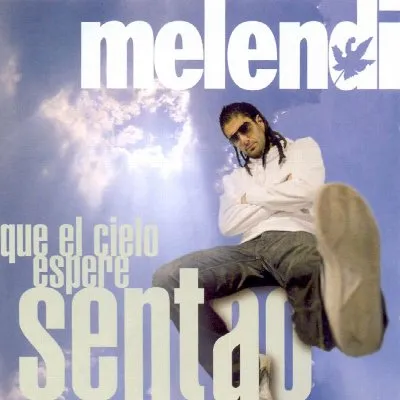
Que el cielo espere sentao 2005 58 /100 Foothills The last three tracks slow down in tempo, creating a reflective mood that contrasts with the earlier energy.
-
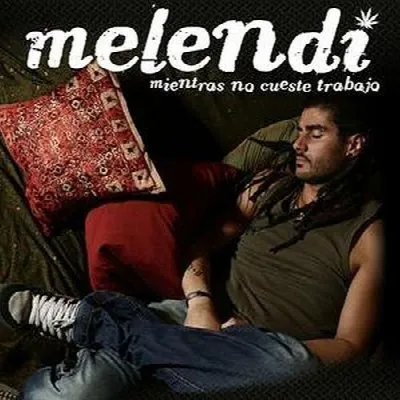
Mientras no cueste trabajo 2006 64 /100 Foothills The album features a consistent use of syncopated rhythms throughout, particularly in tracks like 'Calle la Pantomima' and 'Volantes pa la falda, mi gitana'.
-
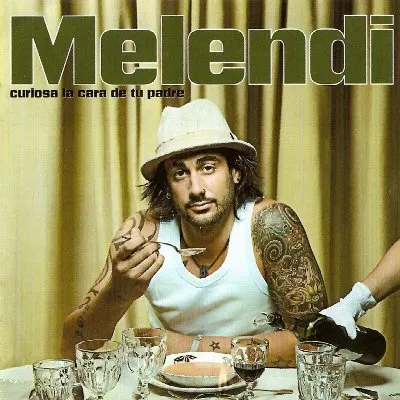
Curiosa la cara de tu padre 2008 60 /100 Foothills The album features a consistent use of rhythmic patterns typical of Cuban rumba, particularly in tracks like 'Piratas del Bar Caribe' and 'Maldita vida loca'.
-
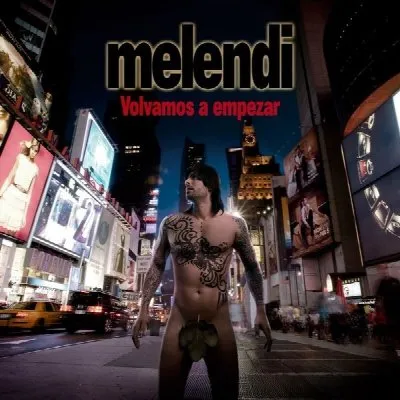
Volvamos a empezar 2010 55 /100 Lowland
-
Lágrimas desordenadas 2012 Not yet reviewed
-
Lágrimas desordenadas 2013 55 /100 Lowland Your first stop The final four tracks run from 'La tortura de Lyss' through 'De repente desperté'; the album closes on that song rather than returning to the opening singles' sequence of hooks.
-
Un alumno más 2014 58 /100 Foothills The opening pair, “La promesa” and “Tocado y hundido,” set a guitar-led pop-rock pattern, with the vocal melody carrying the refrain in both.

-
Quítate las gafas 2016 49 /100 Lowland “Desde que estamos juntos” breaks from the surrounding pop-rock with a buoyant Latin dance pulse.

-
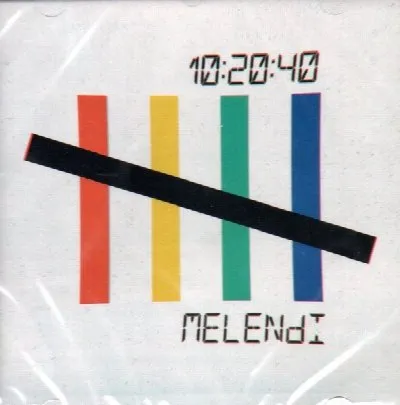
10:20:40 2019 The catalogued sequence has 11 tracks, opening with “El ciego” and closing with “Síndrome de Estocolmo”; no bonus tracks are identified.
04 · Beyond this guide
Where to go next
-
Jarabe de Palo Their percussion-forward Latin pop-rock pairs warm, memorable melodies with reflective Spanish-language songwriting. Start with Depende (1998)

-
Estopa Start here for Spanish rumba-pop built on strummed guitars, lively hand-percussion grooves, and rough-edged vocals that balance humor with rueful storytelling. Start with Estopa (1999)

-
El Canto del Loco Their catchy Spanish pop-rock and direct, conversational vocal delivery offer a similar mix of singalong energy and everyday emotional detail. Start with Zapatillas (2005)

05 · Keep exploring
The Weekly Dispatch
Every Tuesday, a few more places to start listening.
One short email. Free, unsubscribe anytime. Read this week's.
Common questions
Where should I start with Melendi?
Start with Lágrimas desordenadas (2013). Offers a mix of Melendi's signature sound with engaging melodies and rhythms, providing a cohesive listening experience for newcomers.
Which Melendi songs should I hear first?
Start with "Caminando por la vida" from Que el cielo espere sentao, "Por amarte tanto" from Mientras no cueste trabajo, "Maldita vida loca" from Curiosa la cara de tu padre and "Con tanto héroe" from Que el cielo espere sentao.
What does Melendi sound like?
Melendi creates a lively sound that marries traditional Cuban rhythms with modern pop elements. Rooted in Cuban rumba.
In what order should I listen to Melendi's albums?
In release order: "Sin noticias de Holanda" (2003), "Que el cielo espere sentao" (2005), "Mientras no cueste trabajo" (2006), "Curiosa la cara de tu padre" (2008), "Volvamos a empezar" (2010), "Lágrimas desordenadas" (2012), "Lágrimas desordenadas" (2013), "Un alumno más" (2014), "Quítate las gafas" (2016) and "10:20:40" (2019). New listeners can start with "Lágrimas desordenadas" and work outward in either direction.
Which artists should I listen to after Melendi?
Try Jarabe de Palo (start with "Depende"), Estopa (start with "Estopa") and El Canto del Loco (start with "Zapatillas").