


Photo: Unknown authorUnknown author · Public domain
The Northsound field guide
Where to start with Mia Martini
Soulful Italian pop, carried by a voice that turns tension into release.
Mia Martini makes Italian pop feel intensely personal: her rich voice can hold a song in suspense, then release its emotion in a rush. Start with an album from her 1970s run to hear that expressive style in full, then follow how it changes across the decade.
- What they sound like
- Expect Italian pop shaped around dramatic melodies and soulful, emotionally charged singing. Martini makes the shifts from restraint to full-throated release feel central to each song.
- You'll like this if
- You'll connect with this if you like vocal performances that make a song feel like a personal confession, especially when the arrangement leaves room for tension to build.
01 · Your first stop
Start here.
New to Mia Martini? You don’t need to hear everything. Start with this.
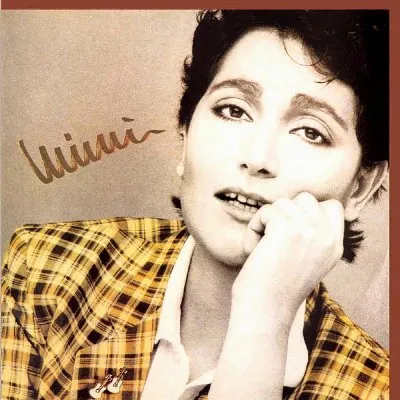
Your first album
Mimì
1981 ·Best starting point
Start with Mia Martini's most approachable and popular works.
Only have a few minutes?
“Almeno tu nell'universo” from Martini Mia... (1989)
An engaging track that highlights her soulful delivery and emotional intensity, making it a strong introduction to her artistic style.
02 · Track by track
Songs to start with
If you would rather start with a song than an album.
-
1
“Madre (Mother)”
from Nel mondo, una cosa (1972)
-
2
“Gli uomini non cambiano”
from Lacrime (1992)
This track stands out for its poignant lyrics that explore themes of love and betrayal, resonating deeply with listeners through its relatable narrative.
-
3
“Io donna, Io persona”
from Che vuoi che sia... se t'ho aspettato tanto (1976)
-
4
“Il viaggio”
from È proprio come vivere (1974)
This track stands out through its evocative lyrics describing a journey through life's complexities, encapsulating the album’s overarching themes of exploration and introspection.
03 · The trail ahead
Listening paths
Pick a route through Mia Martini's catalog.
Explore the heart of Mia Martini's impactful music journey.
-
1Mimì (1981) Her iconic album showcasing her vocal prowess.
-
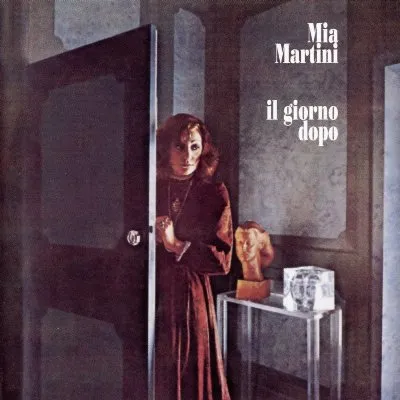
2Il giorno dopo (1973) A pivotal work that defines her emotive style.
-
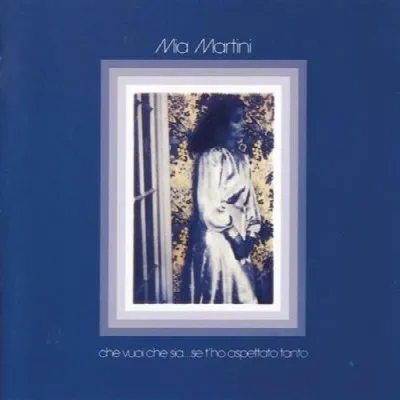
3Che vuoi che sia... se t'ho aspettato tanto (1976) Highlights her depth and lyrical strength.
-
4Miei compagni di viaggio (1983) A reflection on her artistic collaborations.

Start with Mia Martini's most approachable and popular works.
Dive into the diverse sounds and styles of Mia Martini.

04 · Beyond this guide
Where to go next
-
Loredana Bertè Try her for the same Italian pop setting, husky vocal edge, and raw, rock-tinged emotional intensity. Start with Jazz (1983)

-
Mina Her commanding voice and dramatic shifts from intimate phrasing to full-throated release make her a natural next listen. Start with Singolare (1976)

-
Ornella Vanoni Explore her smoky, soulful delivery and sophisticated Italian pop arrangements for a similarly expressive take on heartbreak. Start with La voglia la pazzia l'incoscienza l'allegria (1976)

05 · Keep exploring
The Weekly Dispatch
Every Tuesday, a few more places to start listening.
One short email. Free, unsubscribe anytime. Read this week's.
Common questions
Where should I start with Mia Martini?
Start with Mimì (1981). Start with Mia Martini's most approachable and popular works.
Which Mia Martini songs should I hear first?
Start with "Almeno tu nell'universo" from Martini Mia..., "Madre (Mother)" from Nel mondo, una cosa, "Gli uomini non cambiano" from Lacrime and "Io donna, Io persona" from Che vuoi che sia... se t'ho aspettato tanto.
What does Mia Martini sound like?
Expect Italian pop shaped around dramatic melodies and soulful, emotionally charged singing. Martini makes the shifts from restraint to full-throated release feel central to each song. Rooted in pop music.
In what order should I listen to Mia Martini's albums?
In release order: "Oltre la collina" (1971), "Nel mondo, una cosa" (1972), "Il giorno dopo" (1973), "È proprio come vivere" (1974), "Sensi e controsensi" (1975), "Un altro giorno con me" (1975), "Che vuoi che sia... se t'ho aspettato tanto" (1976), "Danza" (1978), "Martini Mia..." (1989) and "Lacrime" (1992).
Which artists should I listen to after Mia Martini?
Try Loredana Bertè (start with "Jazz"), Mina (start with "Singolare") and Ornella Vanoni (start with "La voglia la pazzia l'incoscienza l'allegria").