

How to Get Into Michael Card
Michael Card matters for his deeply introspective approach to contemporary Christian music, challenging listeners to engage with their faith on a profound and personal level.
Michael Card’s decades-spanning catalog can make it hard to know where to begin. This guide gives you a clear entry point with The Final Word, then lays out a path through his reflective songwriting and biblically rooted storytelling.
Start here
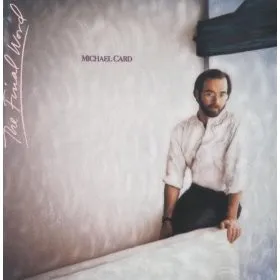
The Final Word
1987
Best starting point
A cohesive introduction to Card’s reflective songwriting and gentle, gradually building sound.
A memorable melodic hook offers a standalone introduction to his contemplative Christian songwriting.
Listening paths
Pick a path through Michael Card's catalog.
Trace Card’s reflective songwriting from early work to his later biblical storytelling.
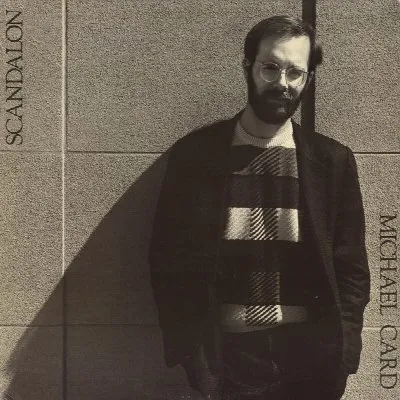
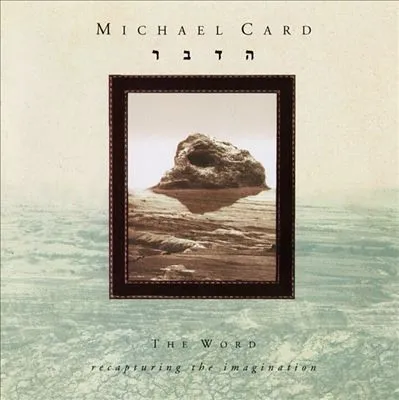
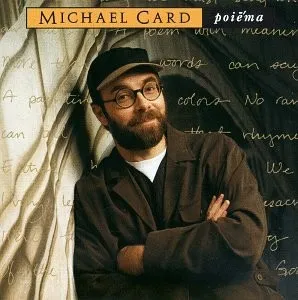

Start with approachable melodies, then move toward richer biblical themes.
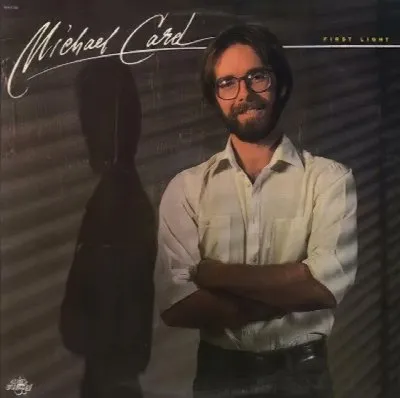
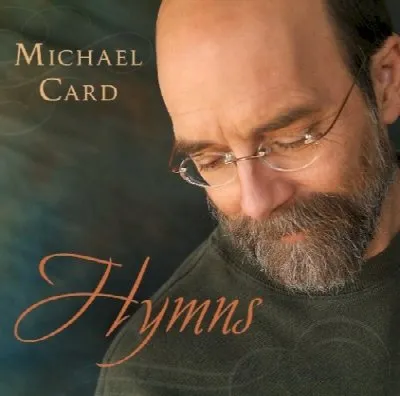
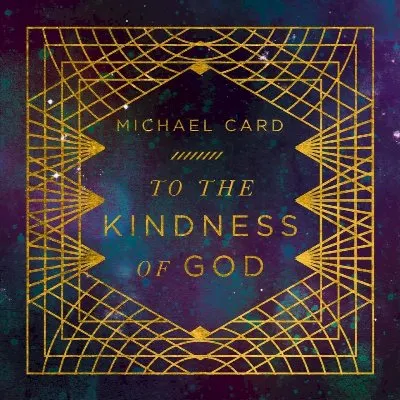
Follow Card’s more conceptual and adventurous explorations of faith and scripture.
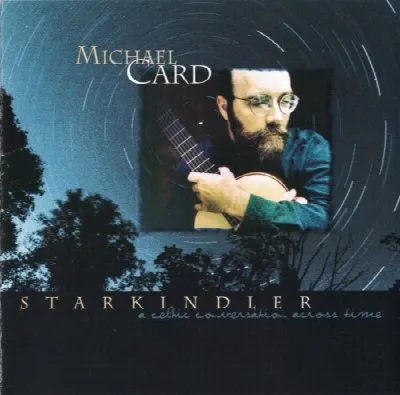
Go deeper
Common questions
What does Michael Card sound like?
The music carries a reflective weight, characterized by gentle melodies that build slowly around poignant lyrical imagery. Rooted in contemporary Christian music. Start with The Final Word.
What is the best Michael Card album to start with?
The best album to start with is "The Final Word" (1987). It's the most representative of what makes Michael Card worth hearing.
What are the best Michael Card albums?
The essential Michael Card albums include "The Final Word" (1987), "Scandalon" (1986), "The Word: Recapturing the Imagination" (1992), "Poiē'ma" (1994) and "Luke: A World Turned Upside Down" (2011).
Who is Michael Card for?
If you're into contemporary Christian music, Michael Card is worth your time. The music carries a reflective weight, characterized by gentle melodies that build slowly around poignant lyrical imagery.
How many albums does Michael Card have?
Michael Card has 29 releases in their discography, including 29 albums.