


The Northsound field guide
Where to start with Oliver Nelson
Oliver Nelson’s catalog spans decades and can be hard to navigate without a starting point. This guide gives you a clear entry into his work, beginning with The Blues and the Abstract Truth. Start with “Stolen Moments,” then follow a path through Nelson’s tightly arranged melodies and shifting rhythms.
01 · Your first stop
Start here.
New to Oliver Nelson? You don’t need to hear everything. Start with this.
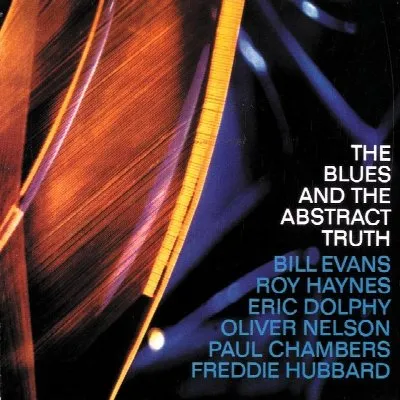
Your first album
The Blues and the Abstract Truth
1961 ·Best starting point
Captures Nelson's signature sound with a blend of complex melodies and engaging rhythms, offering a cohesive listening experience.
Only have a few minutes?
“Stolen Moments”
Immediate hook that introduces Nelson's style through its intricate composition and rhythmic urgency, making it memorable and engaging.
Good fit if you like
- steady melodic progression throughout
- rich textures for attentive listening
- soulful moments of reflection
- dynamic rhythms for engaging sessions
Maybe skip if you
- prefer fast-paced instant gratification
- seek standalone hit tracks
02 · Track by track
Songs to start with
If you would rather start with a song than an album.
-
1
“Hoe-Down”
from The Blues and the Abstract Truth (1961)
Incorporating elements of folk dance rhythms, this piece showcases Nelson's ability to fuse different genres while maintaining a strong jazz foundation.
-
2
“Passion Flower”
from Meet Oliver Nelson (1959)
This track features lush harmonies and delicate interplay among musicians, reflecting Nelson's ability to balance complexity with emotive expression.
-
3
“Eddy's Dilemma”
from Lem's Beat (1960)
-
4
“In a Sentimental Mood”
from Nocturne (1961)
This rendition offers a lush arrangement that highlights the interplay between soloist and ensemble, showcasing Nelson's ability to create evocative atmospheres.
-
5
“The Drive”
from Screamin' the Blues (1961)
03 · The trail ahead
The records, in order
Every Oliver Nelson studio album, from the first. Once the first stop lands, keep going in either direction.
-
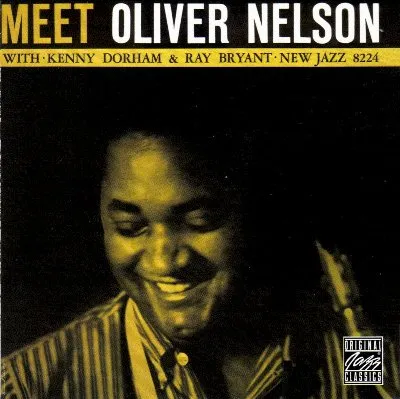
Meet Oliver Nelson 1959 77 /100 Alpine The album features intricate arrangements with multiple layers of instrumentation, often highlighting different sections of the band in call-and-response patterns.
-
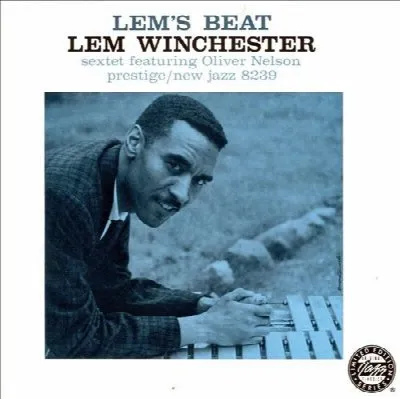
Lem's Beat 1960 77 /100 Alpine The use of call-and-response between instruments is prevalent, allowing for a conversational quality throughout the pieces.
-
The Blues and the Abstract Truth 1961 89 /100 Summit Your first stop Each track showcases intricate interplay between instruments, with solos that often weave in and out of the ensemble sections.
-
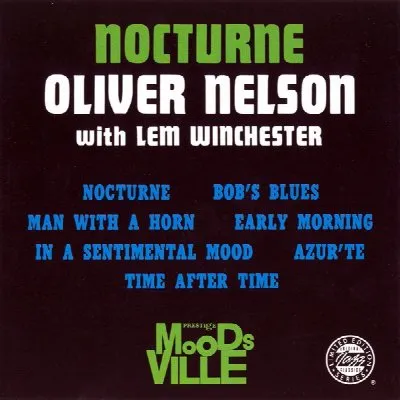
Nocturne 1961 77 /100 Alpine The album features a lush orchestration with strings and woodwinds complementing the brass, creating a rich harmonic texture throughout.
-
Screamin' the Blues 1961 77 /100 Alpine The album features a consistent use of call-and-response patterns between the horns and rhythm section, creating a dynamic interplay.

-
Soul Battle 1962 77 /100 Alpine The album features intricate arrangements that blend bebop lines with soulful grooves, creating a dynamic interplay between instruments.

-
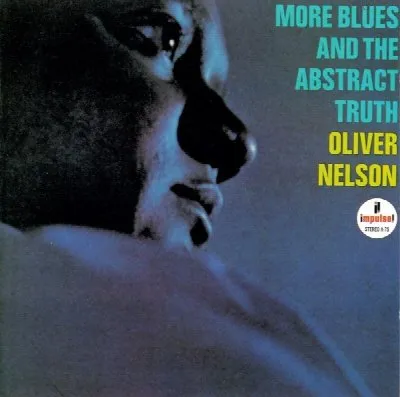
More Blues and the Abstract Truth 1965 77 /100 Alpine The album features a consistent use of blues scales across multiple tracks, creating a cohesive thematic sound.
-
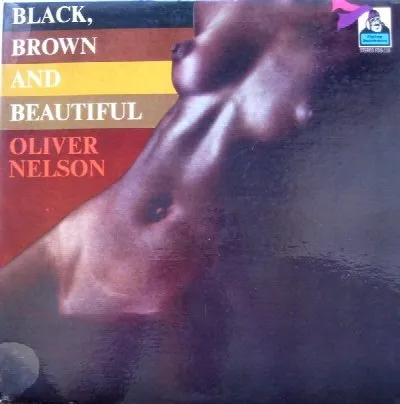
Black, Brown and Beautiful 1970 77 /100 Alpine
-
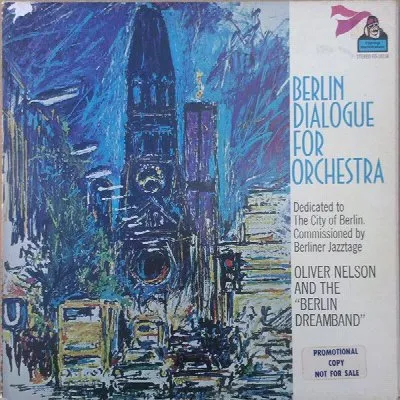
Berlin Dialogue for Orchestra 1971 77 /100 Alpine The album features a large orchestral arrangement with woodwinds and strings prominently interacting with brass sections throughout.
-
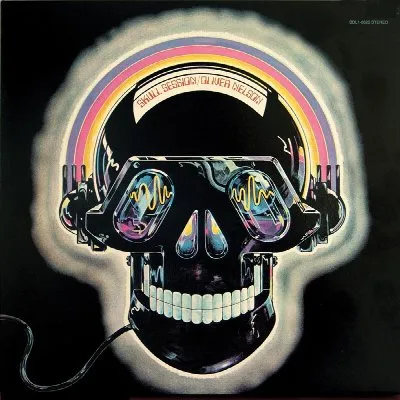
Skull Session 1975 77 /100 Alpine Each track showcases intricate arrangements that highlight the interplay between different instruments, particularly the horns and rhythm section.
04 · Beyond this guide
Where to go next
-
Horace Silver Silver's compositions blend catchy melodies with intricate rhythms, making them a staple of hard bop similar to Nelson's work. Start with Blowin' the Blues Away (1959)

-
Wayne Shorter Shorter's innovative approach to jazz composition and complex harmonies resonate well with the rhythmic intricacies found in Nelson's music. Start with Speak No Evil (1964)

-
Herbie Hancock Hancock's fusion of jazz and funk, along with his adventurous use of time signatures, mirrors the dynamic qualities present in Nelson's compositions. Start with Thrust (1974)

05 · Keep exploring
The Weekly Dispatch
Every Tuesday, a few more places to start listening.
One short email. Free, unsubscribe anytime. Read this week's.
Common questions
Where should I start with Oliver Nelson?
Start with The Blues and the Abstract Truth (1961). Captures Nelson's signature sound with a blend of complex melodies and engaging rhythms, offering a cohesive listening experience.
Which Oliver Nelson songs should I hear first?
Start with "Stolen Moments" from The Blues and the Abstract Truth, "Hoe-Down" from The Blues and the Abstract Truth, "Passion Flower" from Meet Oliver Nelson and "Eddy's Dilemma" from Lem's Beat.
What does Oliver Nelson sound like?
With tightly woven melodies that shift through complex time signatures, Nelson’s compositions pulse with a rhythmic urgency that invites both reflection and movement. Rooted in jazz fusion and post-bop.
In what order should I listen to Oliver Nelson's albums?
In release order: "Meet Oliver Nelson" (1959), "Lem's Beat" (1960), "The Blues and the Abstract Truth" (1961), "Nocturne" (1961), "Screamin' the Blues" (1961), "Soul Battle" (1962), "More Blues and the Abstract Truth" (1965), "Black, Brown and Beautiful" (1970), "Berlin Dialogue for Orchestra" (1971) and "Skull Session" (1975). New listeners can start with "The Blues and the Abstract Truth" and work outward in either direction.
Which artists should I listen to after Oliver Nelson?
Try Horace Silver (start with "Blowin' the Blues Away"), Wayne Shorter (start with "Speak No Evil") and Herbie Hancock (start with "Thrust").