

Why Paco de Lucía Is Worth Your Time
Discover the intricate rhythms and melodies of flamenco.
Paco de Lucía fundamentally reshaped the landscape of flamenco guitar, expanding its emotional and technical boundaries, and elevating its status in the broader musical conversation.
Paco de Lucía revolutionized flamenco guitar, blending traditional sounds with innovative techniques. His compositions not only showcase his virtuosic playing but also invite listeners into a world where rhythm and melody intertwine beautifully. Exploring his music reveals the depth of flamenco and its evolution, making it a rewarding experience for any music lover.
What they sound like
Paco de Lucía's music features intricate guitar work that merges flamenco with jazz influences.
You'll like this if
You'll connect with this if you appreciate technical guitar mastery and cultural fusion in music.
Start here
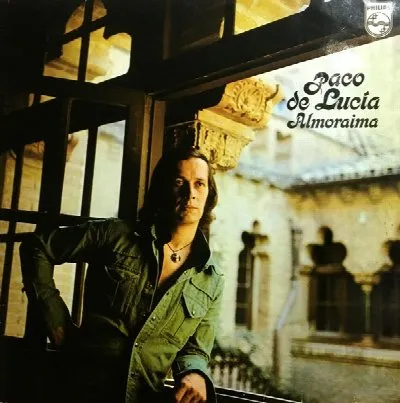
Almoraima
1978
Best starting point
An engaging piece that highlights his signature guitar work and rhythmic intensity, making it an ideal introduction to his style.
Is this for you?
Good fit if you like
- steady melodic exploration
- vibrant rhythmic engagement
- immersive cultural journey
- captivating guitar mastery
Maybe skip if you
- prefer instant gratification
- seek standalone hit tracks
Songs to start with
If you'd rather pick a song than an album.
-
1
"Amapola" — from En Hispanoamérica (1969)
in-order opening that introduces the album's sound
-
2
"La cañada (tango)" — from Siroco (1987)
opens the in-order journey and establishes the palette
-
3
"Rondeñas" — from Por Descubrir (2003)
opens with a representative flamenco form
-
4
"Monasterio de Sal" — from Castro Marín (1981)
establishes the album's sound from the opening
-
5
"El Vito" — from Recital de guitarra (1971)
opens the in-order sequence and establishes the guitar sound
-
6
"La Estiba" — from The Guitar Trio (1996)
establishes the album's guitar palette from the outset
Listening paths
Pick a path through Paco de Lucía's catalog.
A route through Paco de Lucía’s flamenco roots, landmark innovations, and later breadth.
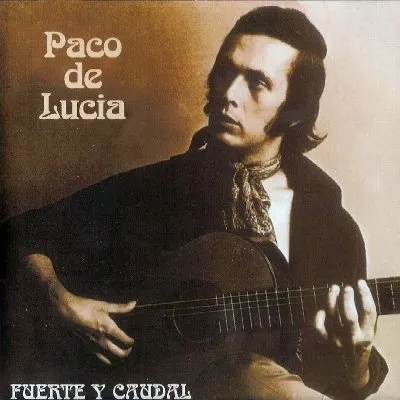
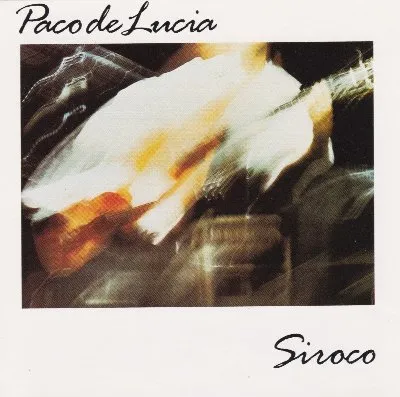
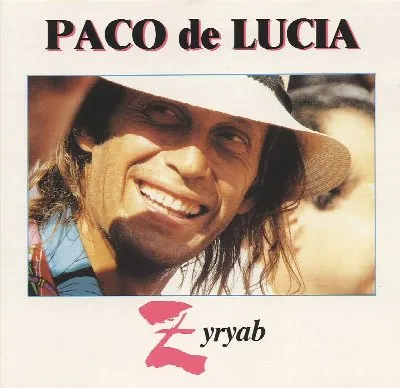
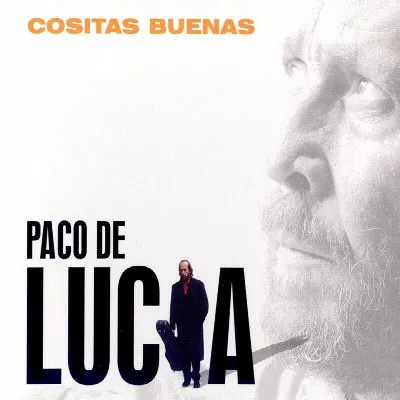
Start with familiar melodies, then move toward richer flamenco forms and textures.
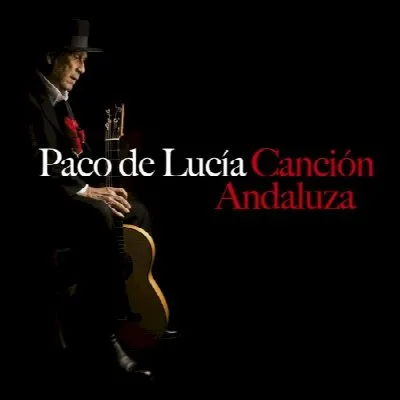
Follow the guitar into fusion, classical repertoire, and bold cross-genre exchanges.

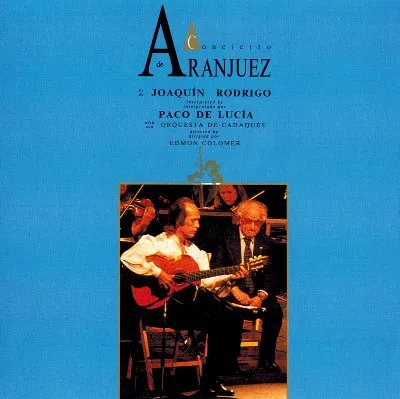
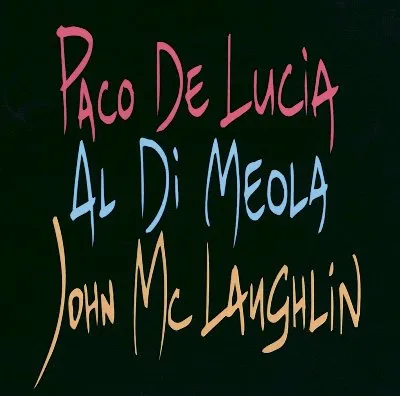
Go deeper
Common questions
Where should I start with Paco de Lucía?
Start with Almoraima (1978). This album encapsulates both the essence of flamenco and Paco's innovative spirit, providing an accessible yet rich listening experience. Each track reflects his skill and creativity, making it an ideal starting point.
What does Paco de Lucía sound like?
Paco de Lucía's music features intricate guitar work that merges flamenco with jazz influences. Rooted in classical and jazz fusion.
Who is Paco de Lucía for?
You'll connect with this if you appreciate technical guitar mastery and cultural fusion in music.
How many albums does Paco de Lucía have?
Paco de Lucía has 45 releases in their discography, including 40 albums.