


Photo: Gretsch Drums · Public domain

The Northsound field guide
Where to start with Philly Joe Jones
Explore sharp syncopations and engaging rhythms in jazz.
Philly Joe Jones stands as a transformative figure in jazz, particularly in the bebop era. His innovative drumming style redefined the role of percussionists within ensembles, making his work essential listening for any jazz enthusiast.
- What they sound like
- Philly Joe Jones features engaging arrangements driven by complex drumming patterns that highlight a steady pulse.
- You'll like this if
- You'll connect with this if you appreciate intricate rhythms and dynamic ensemble play in jazz music.
01 · Your first stop
Start here.
New to Philly Joe Jones? You don’t need to hear everything. Start with this.
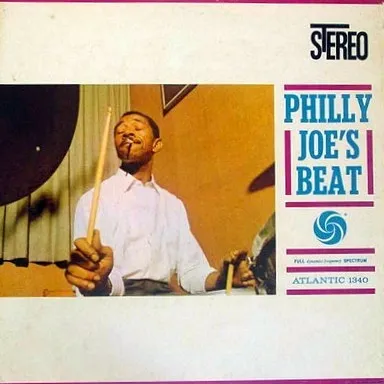
Your first album
Philly Joe's Beat
1960 ·Best starting point
Showcases Jones's signature drumming style with engaging rhythms and a cohesive mix of tracks, making it accessible for new listeners.
Only have a few minutes?
“Blues for Dracula” from Blues for Dracula (1958)
The tune pairs bebop intricacy with bluesy shading, offering a compact introduction to Jones’s late-night jazz atmosphere and alert rhythmic drive.
Good fit if you like
- crisp momentum and darting horn
- quick-footed themes with conversational turns
- compact variety across seven tracks
Maybe skip if you
- need slow, beatless stretches
- prefer long-form musical development
02 · Track by track
Songs to start with
If you would rather start with a song than an album.
-
1
“Fiesta”
from Blues for Dracula (1958)
With its lively tempo and engaging melodic lines, this track highlights the band’s chemistry and Jones’ ability to drive the ensemble forward with energy.
-
2
“Dear Old Stockholm”
from Philly Joe's Beat (1960)
The Swedish folk melody offers a contrasting setting to the more overtly bebop material, with room for the ensemble to shape its lyrical contours.
-
3
“Confirmation”
from Philly Mignon (1977)
Charlie Parker’s intricate bebop composition puts the group in direct conversation with the rhythmic language Jones helped develop.
-
4
“Mean What You Say”
from Mean What You Say (1977)
The title track puts the drummer-leader’s rhythmic drive up front while leaving space for the ensemble to develop its ideas.
-
5
“Trailways”
from Advance! (1979)
The opening track introduces Jones as a bandleader, setting the scene for a session rooted in the rhythmic language of bebop.
03 · The trail ahead
The records, in order
Every Philly Joe Jones studio album, from the first. Once the first stop lands, keep going in either direction.
-
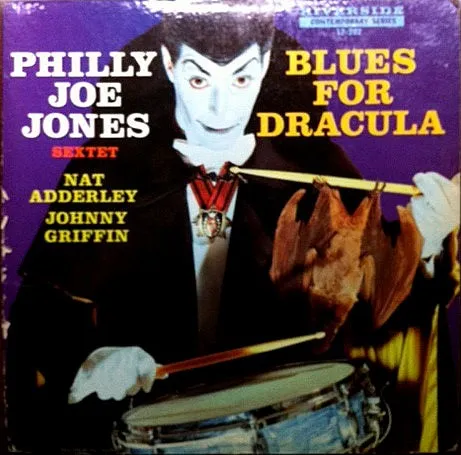
Blues for Dracula 1958 72 /100 Treeline Each track showcases intricate interplay between the instruments, with frequent shifts in tempo and dynamics that keep the listener engaged.
-
Drums Around the World 1959 Not yet reviewed

-
Philly Joe's Beat 1960 72 /100 Treeline Your first stop The album features a consistent rhythm section with Philly Joe Jones on drums, driving the tempo while the horns weave intricate melodies.
-
Together! 1961 The album features a consistent use of syncopated rhythms, with the drums often leading the melodic lines rather than merely keeping time.

-
Trailways Express 1968 Not yet reviewed
-
Philly Mignon 1977 68 /100 Treeline The album features a consistent use of syncopated rhythms, with the drums often leading the melodic lines rather than merely keeping time.
-
Mean What You Say 1977 65 /100 Treeline The album features a consistent use of syncopated rhythms across all tracks, creating a cohesive groove.
-
Advance! 1979 62 /100 Foothills The album features a consistent use of syncopated rhythms, with the drums often leading the melodic lines.
-
To Tadd with Love 1982 The album features a consistent use of syncopated rhythms across all tracks, creating a lively and engaging atmosphere.
-
Drum Song 1985 Not yet reviewed
04 · Beyond this guide
Where to go next
-
Max Roach Roach's innovative drumming style features complex rhythms and syncopations that drive bebop ensembles, much like Jones. Start with We Insist! (1960)

-
Art Blakey Blakey's hard-bop drumming is characterized by powerful accents and a steady pulse, creating a dynamic interplay similar to Jones's approach. Start with Moanin' (1959)

-
Elvin Jones Jones's polyrhythmic drumming and ability to create tension through rhythm align closely with Philly Joe's energetic style. Start with Dear John C. (1965)

05 · Keep exploring
The Weekly Dispatch
Every Tuesday, a few more places to start listening.
One short email. Free, unsubscribe anytime. Read this week's.
Common questions
Where should I start with Philly Joe Jones?
Start with Philly Joe's Beat (1960). Showcases Jones's signature drumming style with engaging rhythms and a cohesive mix of tracks, making it accessible for new listeners.
Which Philly Joe Jones songs should I hear first?
Start with "Blues for Dracula" from Blues for Dracula, "Fiesta" from Blues for Dracula, "Dear Old Stockholm" from Philly Joe's Beat and "Confirmation" from Philly Mignon.
What does Philly Joe Jones sound like?
Philly Joe Jones features engaging arrangements driven by complex drumming patterns that highlight a steady pulse. Rooted in bebop.
In what order should I listen to Philly Joe Jones' albums?
In release order: "Blues for Dracula" (1958), "Drums Around the World" (1959), "Philly Joe's Beat" (1960), "Together!" (1961), "Trailways Express" (1968), "Philly Mignon" (1977), "Mean What You Say" (1977), "Advance!" (1979), "To Tadd with Love" (1982) and "Drum Song" (1985). New listeners can start with "Philly Joe's Beat" and work outward in either direction.
Which artists should I listen to after Philly Joe Jones?
Try Max Roach (start with "We Insist!"), Art Blakey (start with "Moanin'") and Elvin Jones (start with "Dear John C.").