


Photo: grin ✎ · CC BY-SA 3.0
The Northsound field guide
Where to start with Richard Bona
Discover the rhythmic complexity and emotional depth of Bona's music.
Richard Bona's significance lies in his ability to weave the rich tapestry of African heritage into contemporary jazz, creating a sound that resonates across diverse audiences.
- What they sound like
- Richard Bona's music features intricate bass lines layered over rich melodies, creating a dynamic soundscape. His work blends traditional African rhythms with modern jazz elements.
- You'll like this if
- You'll connect with this if you appreciate complex rhythms and emotional storytelling in music.
01 · Your first stop
Start here.
New to Richard Bona? You don’t need to hear everything. Start with this.
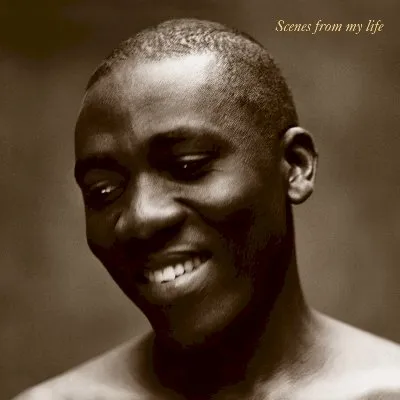
Your first album
Scenes from My Life
1999 ·Best starting point
An easy entry into Richard Bona's music.
Only have a few minutes?
“Eyala”
Bona’s vocal delivery and flowing rhythmic feel make “Eyala” an inviting first encounter with the melodic, rhythmically rich side of his music.
Good fit if you like
- consistent rhythmic journey experience
- soulful bass lines exploration
- vibrant afternoon gathering soundtrack
- steady pacing for focused listening
- intricate harmonies that invite engagement
Maybe skip if you
- seeking instant gratification tracks
- prefer standalone singles format
02 · Track by track
Songs to start with
If you would rather start with a song than an album.
-
1
“New Bell”
from Scenes from My Life (1999)
-
2
“Good Times”
from The Ten Shades of Blues (2009)
With its upbeat tempo and infectious groove, this song encapsulates the joyous essence of the album while reflecting Bona's cultural roots.
-
3
“Dipama”
from Tiki (2005)
-
4
“Kalabancoro”
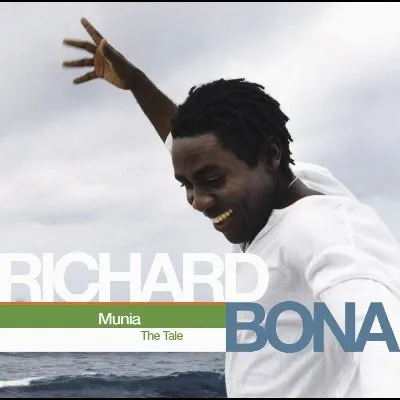
from Munia (The Tale) (2003)
This track stands out with its infectious groove and intricate rhythms, showcasing Bona's mastery of blending traditional African music with jazz sensibilities.
-
5
“Uprising of Kindness”
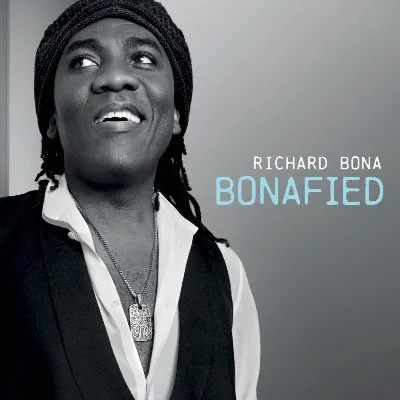
from Bonafied (2013)
A highlight that encapsulates the album's themes of unity and resilience, this track features powerful vocal harmonies and a compelling message.
03 · The trail ahead
Listening paths
Pick a route through Richard Bona's catalog.
A core journey through Bona's impactful albums.
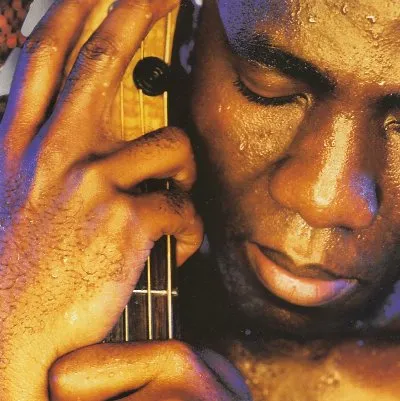

An easy entry into Richard Bona's music.
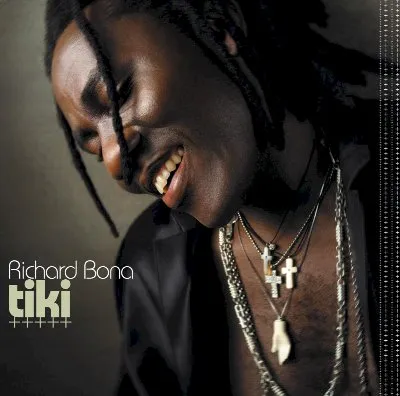
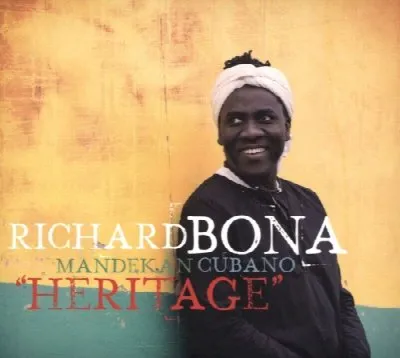
Explore the depths of Bona's musical evolution.


04 · Beyond this guide
Where to go next
-
Manu Dibango Explore his saxophone-driven Afro-jazz for buoyant African grooves, layered percussion, and a supple sense of swing. Start with Soul Makossa (1972)

-
Salif Keita His distinctive, resonant voice and richly arranged West African rhythms offer a similarly melodic, emotionally open path. Start with Moffou (2002)

-
Marcus Miller For bass-forward jazz fusion, his fluid electric bass and spacious, groove-conscious arrangements echo Bona’s instrumental side. Start with Afrodeezia (2015)

05 · Keep exploring
The Weekly Dispatch
Every Tuesday, a few more places to start listening.
One short email. Free, unsubscribe anytime. Read this week's.
Common questions
Where should I start with Richard Bona?
Start with Scenes from My Life (1999). An easy entry into Richard Bona's music.
Which Richard Bona songs should I hear first?
Start with "Eyala" from Scenes from My Life, "New Bell" from Scenes from My Life, "Good Times" from The Ten Shades of Blues and "Dipama" from Tiki.
What does Richard Bona sound like?
Richard Bona's music features intricate bass lines layered over rich melodies, creating a dynamic soundscape. His work blends traditional African rhythms with modern jazz elements. Rooted in jazz and Afro-Cuban jazz.
In what order should I listen to Richard Bona's albums?
In release order: "Scenes from My Life" (1999), "Reverence (Richard Bona album)" (2001), "Reverence" (2001), "Munia (The Tale)" (2003), "Tiki" (2005), "Bona Makes You Sweat" (2008), "Bona Makes You Sweat - Live" (2008), "The Ten Shades of Blues" (2009), "Bonafied" (2013) and "Heritage" (2016).
Which artists should I listen to after Richard Bona?
Try Manu Dibango (start with "Soul Makossa"), Salif Keita (start with "Moffou") and Marcus Miller (start with "Afrodeezia").