


The Northsound field guide
Where to start with Steve Turre
Experience the dynamic blend of Afro-Cuban jazz and tradition.
Steve Turre offers a vibrant exploration of jazz that intertwines traditional elements with innovative sounds. His unique use of the conch shell adds a refreshing twist, while Afro-Cuban rhythms enrich his compositions.
- What they sound like
- Turre's music features intricate rhythms and layered textures, driven by brass melodies and the conch shell's unique calls.
- You'll like this if
- You'll connect with this if you appreciate jazz that embraces cultural influences and innovative instrumentation.
01 · Your first stop
Start here.
New to Steve Turre? You don’t need to hear everything. Start with this.
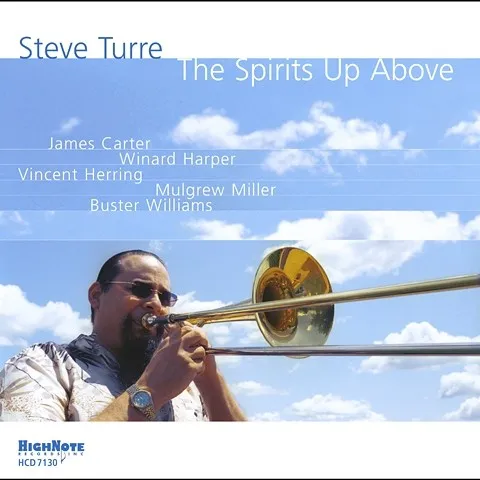
Your first album
The Spirits Up Above
2004 ·Best starting point
A smooth introduction to Steve Turre's vibrant sound.
Only have a few minutes?
“The Spirits Up Above”
The song’s spirited tribute feel, blues grounding, and rhythmic drive make it a direct introduction to Turre’s trombone and conch-shell approach.
Good fit if you like
- playful explorations of sound
- thoughtful meditative listening sessions
- captivating stories through music
- vibrant energy for celebrations
Maybe skip if you
- want constant high-energy tracks
- prefer straightforward song structures
02 · Track by track
Songs to start with
If you would rather start with a song than an album.
-
1
“Medley: Serenade to a Cuckoo / Bright Moments”
from The Spirits Up Above (2004)
The pairing brings together two contrasting pieces associated with Kirk, moving from the atmospheric to the celebratory across the album’s longest track.
-
2
“Sanyas”
from Keep Searchin' (2006)
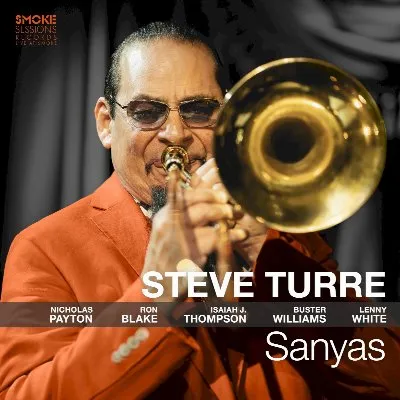
The nine-minute opener gives Turre room to establish the album’s patient, exploratory approach before the shorter pieces arrive.
-
3
“Brother Ray”
from Rainbow People (2008)
This extended tribute to Ray Charles brings the blues tradition into the foreground of Turre’s jazz setting.
03 · The trail ahead
Listening paths
Pick a route through Steve Turre's catalog.
Explore the heart of Steve Turre's musical journey.
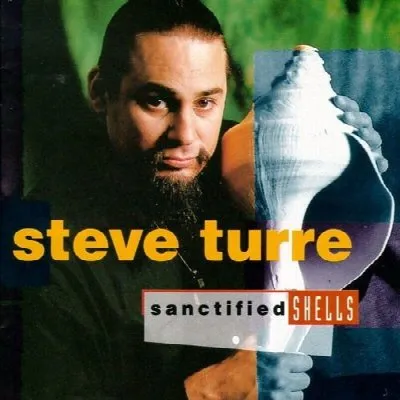
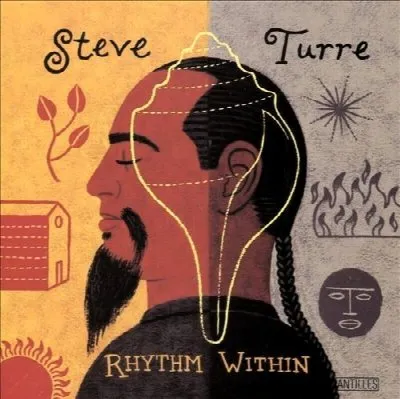
A smooth introduction to Steve Turre's vibrant sound.
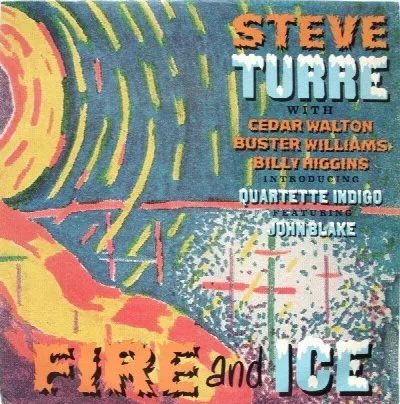
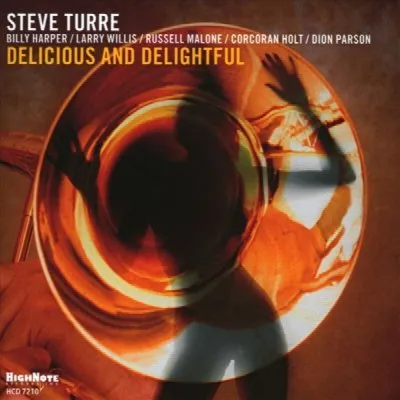
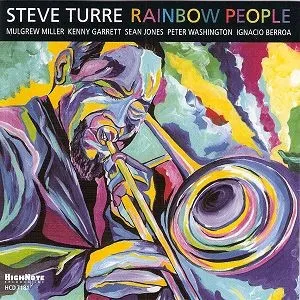
Dive into the innovative depths of Turre's artistry.
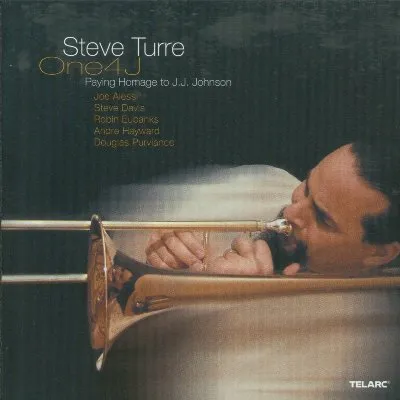
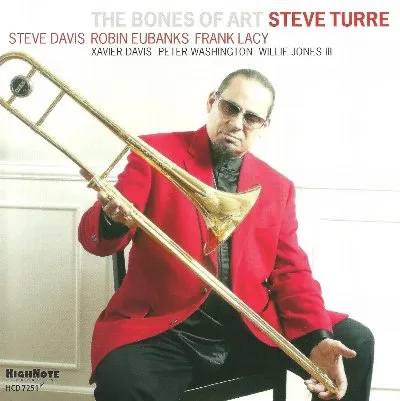

04 · Beyond this guide
Where to go next
-
Eddie Palmieri His dense, rhythmically restless Latin jazz and salsa arrangements give the brass room to clash, answer, and improvise. Start with The Sun of Latin Music (1974)

-
Mongo Santamaría His Afro-Cuban jazz centers polyrhythmic percussion and bold horn textures, making it a natural fit for Turre’s rhythmic side. Start with Watermelon Man! (1963)

-
Willie Colón His trombone-heavy salsa arrangements offer earthy brass riffs and propulsive Afro-Caribbean grooves. Start with El Malo (1967)

05 · Keep exploring
The Weekly Dispatch
Every Tuesday, a few more places to start listening.
One short email. Free, unsubscribe anytime. Read this week's.
Common questions
Where should I start with Steve Turre?
Start with The Spirits Up Above (2004). A smooth introduction to Steve Turre's vibrant sound.
Which Steve Turre songs should I hear first?
Start with "The Spirits Up Above" from The Spirits Up Above, "Medley: Serenade to a Cuckoo / Bright Moments" from The Spirits Up Above, "Sanyas" from Keep Searchin' and "Brother Ray" from Rainbow People.
What does Steve Turre sound like?
Turre's music features intricate rhythms and layered textures, driven by brass melodies and the conch shell's unique calls. Rooted in jazz and Afro-Cuban jazz.
In what order should I listen to Steve Turre's albums?
In release order: "Dedication" (1989), "Sanctified Shells" (1993), "Sanctified Shells" (1993), "Steve Turre" (1997), "Lotus Flower" (1999), "The Spirits Up Above" (2004), "Keep Searchin'" (2006), "Rainbow People" (2008), "A Jazz Christmas Celebration for Banfi" (2009) and "Generations" (2022). New listeners can start with "The Spirits Up Above" and work outward in either direction.
Which artists should I listen to after Steve Turre?
Try Eddie Palmieri (start with "The Sun of Latin Music"), Mongo Santamaría (start with "Watermelon Man!") and Willie Colón (start with "El Malo").