

How to Get Into Tete Montoliu
Tete Montoliu reshaped the landscape of jazz piano through his singular expression and deep emotional resonance, carving out a space for the genre that transcends mere technicality.
Tete Montoliu’s catalog spans decades of jazz recordings, so choosing a starting point can be difficult. This guide gives you a clear way in, beginning with Vampyria and “Blues for Myself.” From there, follow a path through his intricate rhythms, vivid melodies, and improvisational style.
Start here

Vampyria
1974
Best starting point
Engaging track that highlights Montoliu's dense chords and emotive playing, making it a strong entry point.
Songs to start with
If you'd rather pick a song than an album.
-
1
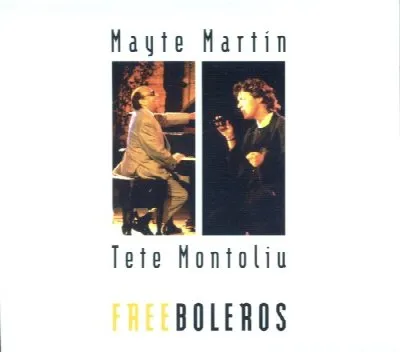
"Somos" — from Boleros
opens with a bolero melody and jazz piano framing
-
2
"Here's That Rainy Day" — from Songs for Love (1974)
Opens the album with an accessible standard
-
3
"Invitation" — from Tootie's Tempo (1979)
opens the album and establishes its jazz palette
-
4
"Airegin" — from Lush Life (1986)
establishes the album's bebop side from the outset
-
5
"Yellow Dolphin Street" — from Yellow Dolphin Street (1977)
Establishes the album's sound from the opening
-
6
"Blues for Coren" — from Blues for Myself (1977)
Establishes the album's blues-rooted piano sound
Listening paths
Pick a path through Tete Montoliu's catalog.
A compact route through Montoliu’s jazz roots, Catalan identity, and mature voice.
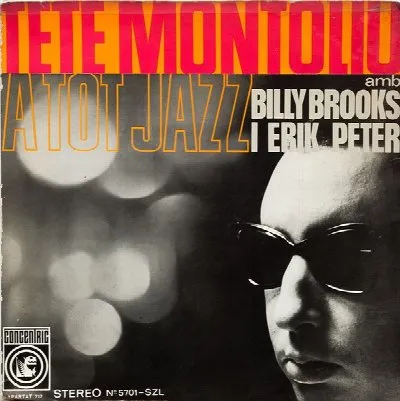

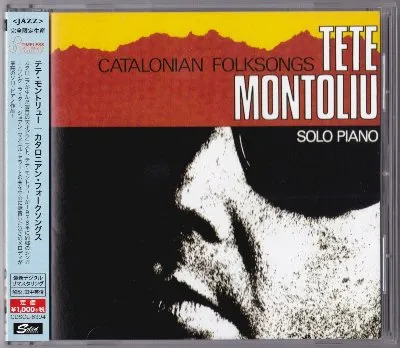
Begin with familiar songbook territory, then branch into Montoliu’s own world.
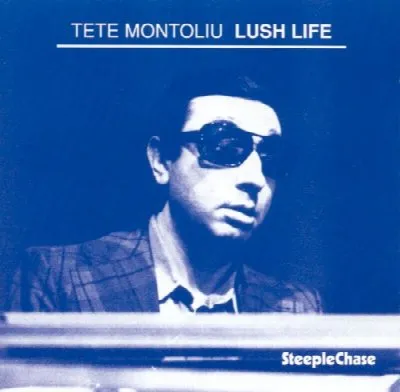
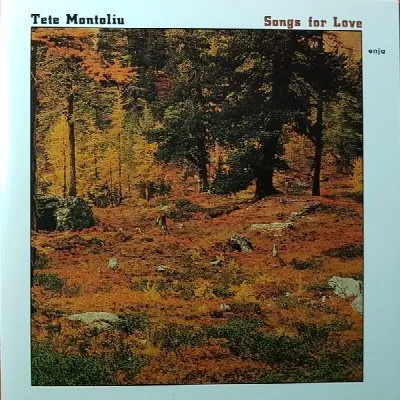
Follow less conventional turns through repertoire, regional color, and performance.

Go deeper
Common questions
Where should I start with Tete Montoliu?
Start with Vampyria (1974).
What does Tete Montoliu sound like?
With dense chords and intricate rhythms, Montoliu’s music builds tension through vibrant melodic variations that invite listeners on an evocative journey. Rooted in jazz.
How many albums does Tete Montoliu have?
Tete Montoliu has 53 releases in their discography, including 51 albums.