


Photo: Roberta Osmers · CC BY 2.0

The Northsound field guide
Where to start with William Elliott Whitmore
Exploring the depths of alternative country and folk sounds.
William Elliott Whitmore's music dives into the raw essence of life, weaving personal tales with universal themes. His gritty vocals and sparse instrumentation invite listeners to reflect on their own struggles while connecting deeply with his narratives.
- What they sound like
- Whitmore combines elements of folk, blues, and alternative country with a raw and organic sound. His music is characterized by gritty vocals that convey deep emotional truths.
- You'll like this if
- You'll connect with this if you enjoy heartfelt storytelling and appreciate music that reflects life's challenges.
01 · Your first stop
Start here.
New to William Elliott Whitmore? You don’t need to hear everything. Start with this.
Your first album
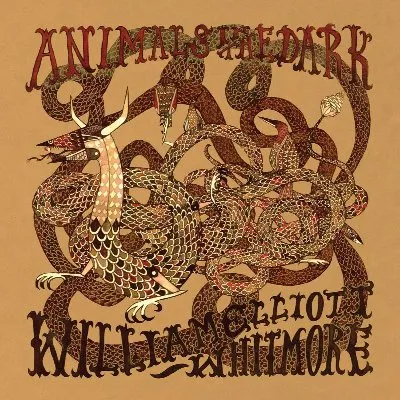
Animals in the Dark
2009 ·Best starting point
Showcases Whitmore's blend of folk and blues with gritty vocals and organic instrumentation, providing a cohesive listening experience.
02 · Track by track
Songs to start with
If you would rather start with a song than an album.
-
1
“The Day the End Finally Came”
from Ashes to Dust (2005)
-
2
“Everything Gets Done”
from Field Songs (2011)
With its reflective lyrics and melodic simplicity, this song encapsulates the album's themes of perseverance and acceptance, resonating deeply with the listener's personal journey.
03 · The trail ahead
The records, in order
Every William Elliott Whitmore studio album, from the first. Once the first stop lands, keep going in either direction.
-
Hymns For The Hopeless 2003 Not yet reviewed
-
Ashes to Dust 2005 74 /100 Treeline Vocals are delivered in a raw, emotive style, often accompanied by acoustic guitar and minimal percussion, creating an intimate atmosphere.
-
Song of the Blackbird 2006 Not yet reviewed
-
Animals in the Dark 2009 Your first stop Not yet reviewed
-
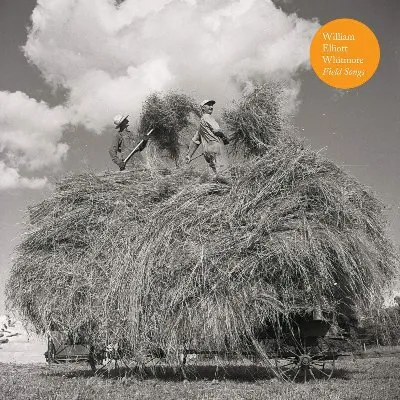
Field Songs 2011 74 /100 Treeline The album features a consistent use of acoustic guitar and banjo, creating a raw, stripped-down sound that emphasizes the storytelling.
-
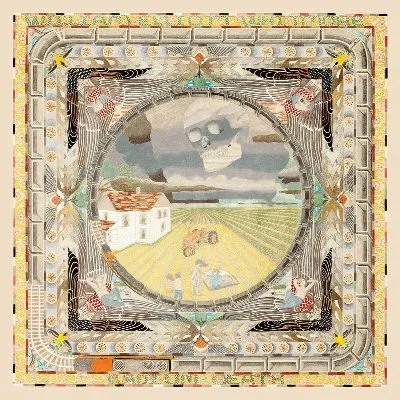
Radium Death 2015 Not yet reviewed
-
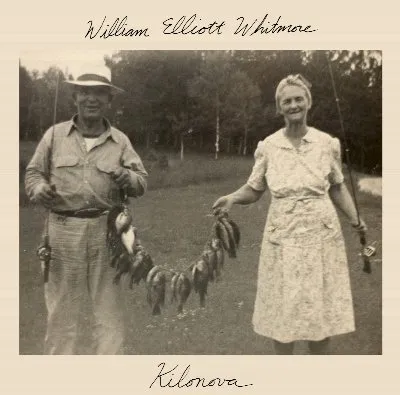
Kilonova 2018 Not yet reviewed
-
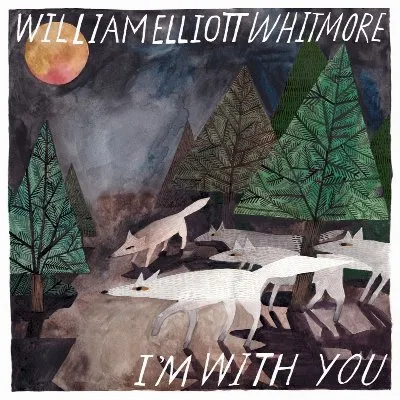
I’m With You 2020 Not yet reviewed
-
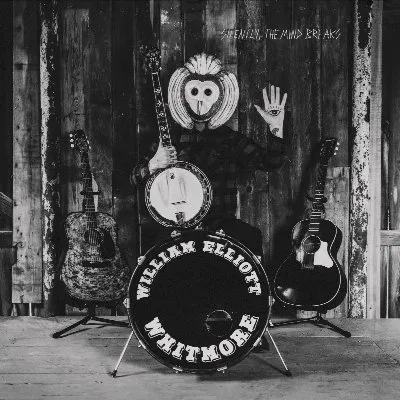
Silently, The Mind Breaks 2024 Not yet reviewed
04 · Beyond this guide
Where to go next
-
Jason Isbell His storytelling and raw vocal delivery resonate with the same emotional depth found in Whitmore's work. Start with Southeastern (2013)

-
Lucinda Williams Her powerful vocals and poignant lyrics evoke a similar sense of urgency and reflection. Start with Car Wheels on a Gravel Road (1998)

-
Townes Van Zandt Van Zandt's sparse arrangements and heartfelt songwriting align closely with the folk-blues aesthetic of Whitmore. Start with For the Sake of the Song (1968)

05 · Keep exploring
The Weekly Dispatch
Every Tuesday, a few more places to start listening.
One short email. Free, unsubscribe anytime. Read this week's.
Common questions
Where should I start with William Elliott Whitmore?
Start with Animals in the Dark (2009). Showcases Whitmore's blend of folk and blues with gritty vocals and organic instrumentation, providing a cohesive listening experience.
Which William Elliott Whitmore songs should I hear first?
Start with "The Day the End Finally Came" from Ashes to Dust and "Everything Gets Done" from Field Songs.
What does William Elliott Whitmore sound like?
Whitmore combines elements of folk, blues, and alternative country with a raw and organic sound. His music is characterized by gritty vocals that convey deep emotional truths. Rooted in blues and folk.
In what order should I listen to William Elliott Whitmore's albums?
In release order: "Hymns For The Hopeless" (2003), "Ashes to Dust" (2005), "Song of the Blackbird" (2006), "Animals in the Dark" (2009), "Field Songs" (2011), "Radium Death" (2015), "Kilonova" (2018), "I’m With You" (2020) and "Silently, The Mind Breaks" (2024). New listeners can start with "Animals in the Dark" and work outward in either direction.
Which artists should I listen to after William Elliott Whitmore?
Try Jason Isbell (start with "Southeastern"), Lucinda Williams (start with "Car Wheels on a Gravel Road") and Townes Van Zandt (start with "For the Sake of the Song").