


Photo: Tore Sætre · CC BY-SA 4.0
The Northsound field guide
Where to start with William Parker
Explore the expansive dialogue of free jazz through Parker's unique sound.
William Parker's music invites listeners into a world where structured chaos meets meditative stillness. As a pivotal figure in free jazz and improvisation, his work challenges conventional boundaries and encourages deep engagement with sound.
- What they sound like
- William Parker's sound is characterized by intricate layers of rhythm and melody that invite exploration.
- You'll like this if
- You'll connect with this if you appreciate the nuances of free jazz and improvisational music.
01 · Your first stop
Start here.
New to William Parker? You don’t need to hear everything. Start with this.

Your first album
Universal Tonality
·Best starting point
An easy entry into William Parker's diverse sound.
Only have a few minutes?
“Raining on the Moon” from Raining on the Moon (2002)
This track features engaging rhythms and showcases Parker's layered approach, making it an accessible introduction to his style.
02 · Track by track
Songs to start with
If you would rather start with a song than an album.
-
1
“The Bluest J”
from Sunrise in the Tone World (1997)
At more than 26 minutes, this piece invites attention to the gradual accumulation and release of energy rather than a quick statement of a theme.
-
2
“Malcolm’s Smile”
from Compassion Seizes Bed-Stuy (1996)
Its dedication brings a personal image of Malcolm X into Parker’s musical world, linking free improvisation to the album’s wider cultural concerns.
-
3
“Come Sunday”
from Painter's Spring (2000)
The Duke Ellington composition brings a hymn-like melodic focus to the session, showing how the trio approaches an established jazz standard.
-
4
“Song of Hope”
from Raining on the Moon (2002)
Its direct vocal delivery shows how Parker’s ensemble can carry a song without smoothing away the edge of its jazz language.
-
5
“Blue Flower”
from Bob's Pink Cadillac (2002)
At over 18 minutes, this piece offers space to hear Parker’s approach to sustained development rather than a compact theme-and-solo format.
03 · The trail ahead
Listening paths
Pick a route through William Parker's catalog.
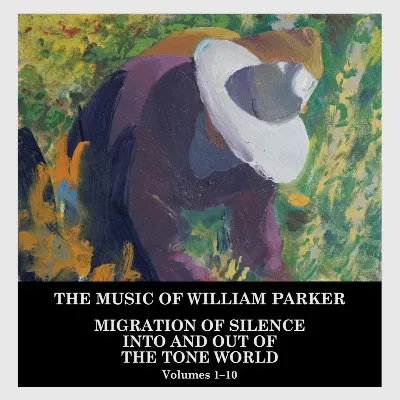
Core albums that define William Parker's musical journey.
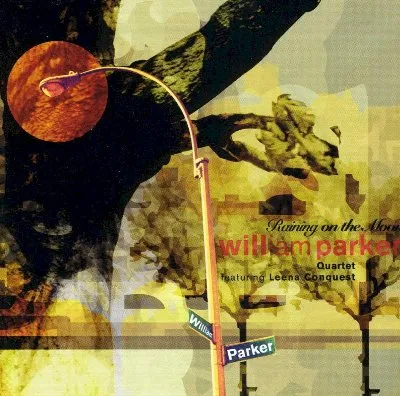
An easy entry into William Parker's diverse sound.

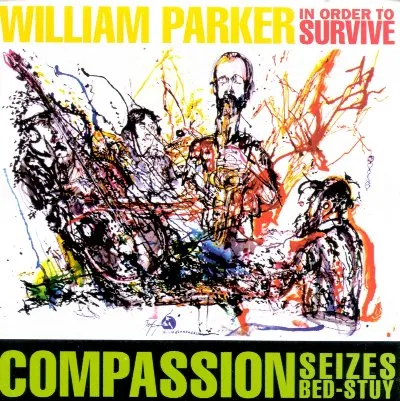
Dive into the avant-garde side of William Parker.

04 · Beyond this guide
Where to go next
-
David S. Ware Ware's music features a similar blend of free jazz improvisation and structured complexity, often exploring deep emotional landscapes. Start with Surrendered (2000)

-
Matthew Shipp Shipp's avant-garde piano work and innovative compositions resonate with Parker's layered density and rhythmic exploration. Start with The Conduct of Jazz (2015)

-
Sun Ra Sun Ra’s cosmic jazz aesthetic and experimental approach to rhythm and harmony parallel Parker's expansive dialogues in sound. Start with Jazz by Sun Ra (1957)

05 · Keep exploring
The Weekly Dispatch
Every Tuesday, a few more places to start listening.
One short email. Free, unsubscribe anytime. Read this week's.
Common questions
Where should I start with William Parker?
Start with Universal Tonality. An easy entry into William Parker's diverse sound.
Which William Parker songs should I hear first?
Start with "Raining on the Moon" from Raining on the Moon, "The Bluest J" from Sunrise in the Tone World, "Malcolm’s Smile" from Compassion Seizes Bed-Stuy and "Come Sunday" from Painter's Spring.
What does William Parker sound like?
William Parker's sound is characterized by intricate layers of rhythm and melody that invite exploration. Rooted in free jazz.
In what order should I listen to William Parker's albums?
In release order: "Zo" (1994), "Compassion Seizes Bed-Stuy" (1996), "Sunrise in the Tone World" (1997), "Painter's Spring" (2000), "Raining on the Moon" (2002), "Bob's Pink Cadillac" (2002), "Eloping with the Sun" (2003), "Luc's Lantern" (2005), "Corn Meal Dance" (2007) and "Petit Oiseau" (2008).
Which artists should I listen to after William Parker?
Try David S. Ware (start with "Surrendered"), Matthew Shipp (start with "The Conduct of Jazz") and Sun Ra (start with "Jazz by Sun Ra").