

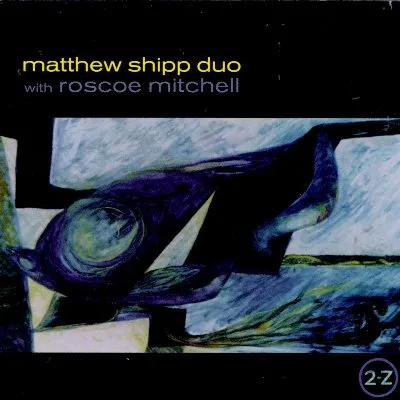
Released 30 years ago
2-Z
Matthew Shipp · 1996
45 min · 11 tracks · jazz
Shipp’s piano moves through a sequence of compact pieces that treats free jazz as a study in changing shapes.
Top tracks — play these first
-
→
2-Z Start here — The opening piece establishes the album’s numbered framework in just over three minutes, inviting attention to how the later installments relate to it.
-
→
2-Z-5 — At under three minutes, this middle entry belongs to the record’s run of compact pieces, giving the sequence a different scale from its longer closing tracks.
-
→
2-Z-10 — The penultimate piece is the first to stretch beyond six minutes, allowing the album’s ideas more room before the finale.
-
→
2-Z-11 (The Physics of Angels) — The longest track closes the sequence and is the only installment with a subtitle, giving the numbered series a distinctive final destination.
Is this for you?
Good fit if you like
- exploratory soundscapes for curiosity
- short tracks encouraging active listening
- improvisational moments that surprise
- cerebral engagement over passive enjoyment
Maybe skip if you
- seeking straightforward melodic structures
- prefer predictable rhythmic patterns
Where this album fits
- In the catalog
- Breakthrough — This album contributed to Shipp's recognition in the avant-garde jazz scene.
- Themes
- free-jazz piano studies· numbered improvisation suite· changing piano shapes
- Career context
- Released in 1996, 2-Z came during Shipp’s early period as a recording leader and his tenure in saxophonist David S. Ware’s quartet. Its numbered sequence presents the pianist’s work as a linked series rather than a conventional set of separately named tunes.
- Stylistic neighbors
- William Hooker· Sun Ra· Cecil Taylor
Tracklist
- 1 2-Z Start here 3:10
- 2 2-Z-2 4:03
- 3 2-Z-3 4:46
- 4 2-Z-4 4:47
- 5 2-Z-5 2:53
- 6 2-Z-6 2:46
- 7 2-Z-7 2:40
- 8 2-Z-8 4:14
- 9 2-Z-9 2:54
- 10 2-Z-10 6:02
- 11 2-Z-11 (The Physics of Angels) 6:46
What to play next

Symbol Systems
1996
Continues the avant-garde exploration with complex structures and rich textures.
Prism
1996
Sets the stage with intricate piano work and experimental themes that lead into 2-Z.
If this landed
Records by other artists that run on the same instinct.
Reference: Wikipedia · MusicBrainz · Wikidata
Sync your library
Everything you track here works immediately — no account needed. Create one when you want to sync across devices.