

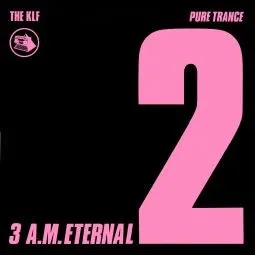
3 a.m. Eternal
The KLF · 1989
23 min · 4 tracks · electronic music
A hypnotic blend of ambient soundscapes and driving beats, immersing listeners in a euphoric dance experience.
Top tracks — play these first
-
→
3 A.M. Eternal (Live at the S.S.L.) — This live rendition captures the electrifying energy of The KLF's performances, blending infectious rhythms with an immersive atmosphere that showcases their unique sound.
-
→
3 A.M. Eternal (Guns of Mu Mu) — The track features an engaging fusion of ambient textures and catchy hooks, representing the band's innovative approach to dance music that transcends traditional boundaries.
-
→
3 A.M. Eternal (Wayward Dub) — This dub version emphasizes the deep basslines and atmospheric elements, highlighting The KLF's ability to experiment with sound while maintaining danceability.
Where this album fits
- In the catalog
- Breakthrough — This single established The KLF's reputation and became an anthem of early '90s rave culture.
- Themes
- hypnotic dance floors· late-night euphoria· ambient soundscapes
- Career context
- In 1989, The KLF released '3 a.m. Eternal' as part of their rapid ascent in the UK electronic music scene. This album followed their breakthrough success with 'Chill Out' in 1989, marking a pivotal moment as they fused house music with pop sensibilities.
- Stylistic neighbors
- The Orb· Underworld· Leftfield
Moments worth listening for
Where the writing does something specific.
-
3 A.M. Eternal (Live at the S.S.L.)
The repetition of rhythmic chants creates a communal experience, drawing listeners into a collective trance during live performances.
This structural choice elevates the song's energy, making it anthemic and perfect for uniting crowds on the dance floor.
Tracklist
Best experienced from track one — press play and let it unfold.
- 1 3 A.M. Eternal (Live at the S.S.L.) 5:52
- 2 3 A.M. Eternal (Guns of Mu Mu) 5:20
- 3 3 A.M. Eternal (Klonk Blip Every Trip) 5:48
- 4 3 A.M. Eternal (Wayward Dub) 6:54
If this landed
Records by other artists that run on the same instinct.
In Sides
Orbital
Shares immersive soundscapes and hypnotic rhythms ideal for euphoric late-night listening.
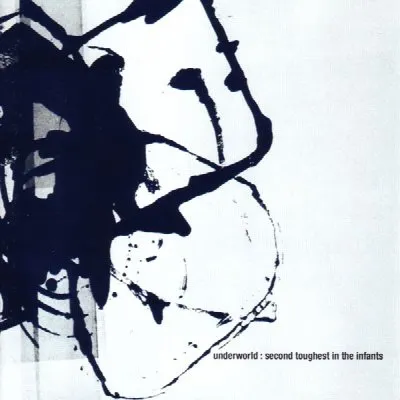
Second Toughest in the Infants
Underworld
Combines driving beats with ambient textures, creating a similar dance floor euphoria.

Lifeforms
The Future Sound of London
Explores ambient landscapes and rhythmic elements that evoke a trance-like experience.
Reference: Wikipedia · MusicBrainz · Wikidata
Sync your library
Everything you track here works immediately — no account needed. Create one when you want to sync across devices.