

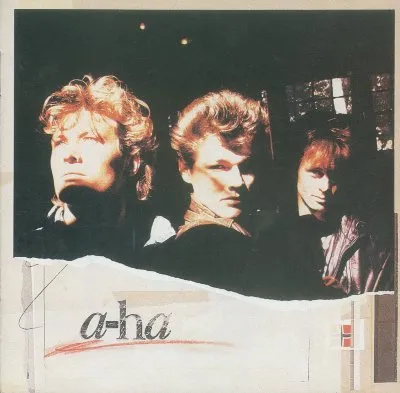
45 R.P.M. Club
a-ha · 1985
22 min · 4 tracks · alternative rock
A vibrant blend of synth-pop and new wave, marked by soaring vocals and infectious melodies that define the mid-80s sound.
Top tracks — play these first
-
→
The Sun Always Shines on T.V. (extended version) — This track epitomizes a-ha’s cinematic sound with lush instrumentation and powerful vocals, making it a definitive anthem of their early era.
-
→
Driftwood — Blending soft rock with synth elements, this track highlights a more introspective side of a-ha, showcasing their lyrical depth and melodic craftsmanship.
-
→
Take on Me (extended version) — As one of their most recognizable songs, this extended version amplifies its iconic hooks and reinforces why it became an enduring classic.
Where this album fits
- In the catalog
- Breakthrough — This EP followed their debut and solidified a-ha's early recognition in the music scene.
- Themes
- mid-80s nostalgia· cinematic pop anthems· synth-driven introspection
- Career context
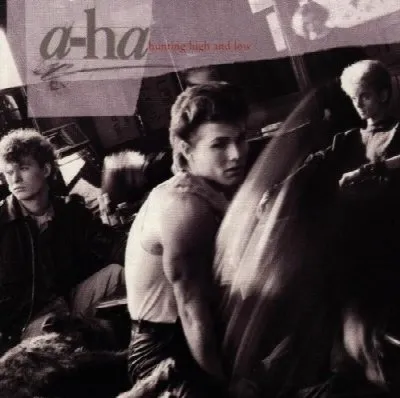
- Released in January 1985, '45 R.P.M. Club' came shortly after a-ha's commercial breakthrough with their debut album 'Hunting High and Low'. At this point in their career, a-ha was solidifying their presence in the global music scene, following the massive success of 'Take on Me', which had reached number one on charts worldwide.
- Stylistic neighbors
- Duran Duran· Depeche Mode· The Human League
Moments worth listening for
Where the writing does something specific.
-
The Sun Always Shines on T.V. (extended version)
The bridge shifts into a reflective tone, contemplating fame and its pressures while maintaining an uplifting melody.
This contrast enriches the song’s narrative, balancing themes of success with underlying vulnerability.
Tracklist
Best experienced from track one — press play and let it unfold.
- 1 The Sun Always Shines on T.V. (extended version) 8:25
- 2 Driftwood 3:05
- 3 Take on Me (extended version) 4:47
- 4 The Sun Always Shines on T.V. (instrumental) 6:37
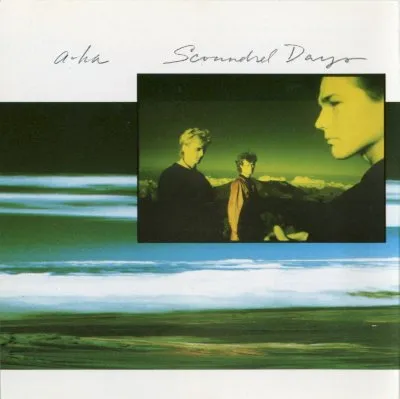
If this landed
Records by other artists that run on the same instinct.
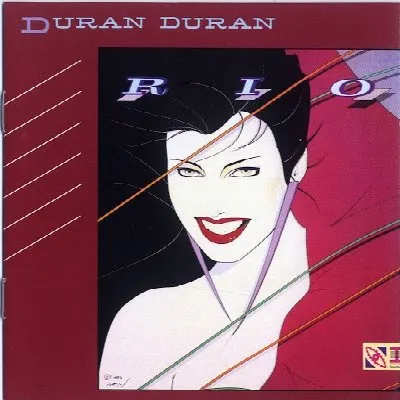
Rio
Duran Duran
Shares a vibrant synth-pop sound and cinematic flair, capturing the mid-80s spirit.
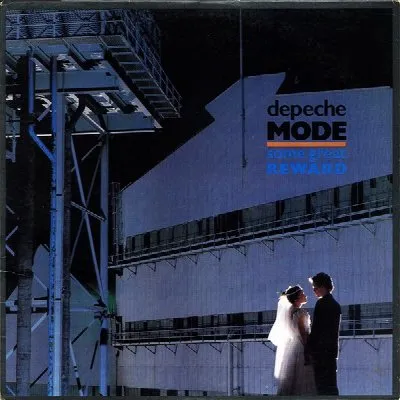
Some Great Reward
Depeche Mode
Combines dark introspection with catchy synth melodies, embodying 80s electronic pop themes.
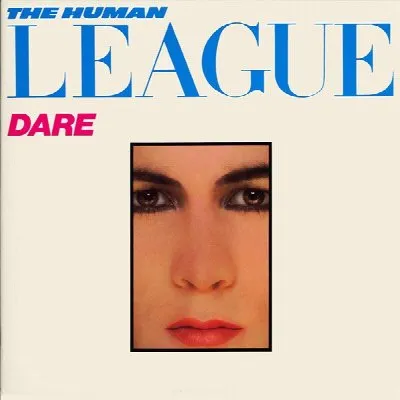
Dare
The Human League
Features infectious hooks and lush synth arrangements, echoing the anthemic quality of mid-80s pop.
Reference: Wikipedia · MusicBrainz · Wikidata
Sync your library
Everything you track here works immediately — no account needed. Create one when you want to sync across devices.