

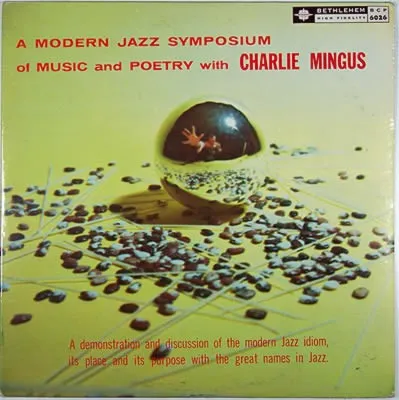
A Modern Jazz Symposium of Music and Poetry
Charles Mingus · 1957
57 min · 8 tracks · jazz
A spoken city narrative moves through a restless jazz ensemble, with improvisation taking over where words leave off.
Top tracks — play these first
-
→
Scenes in the City — A spoken account of a young musician’s life unfolds alongside the band, making the album’s meeting of storytelling and jazz most explicit.
-
→
Nouroog — Its distinctive melody gives the horns a different kind of starting point from the urban narrative that precedes it.
-
→
New York Sketchbook — The extended arrangement lets shifting ensemble passages and individual improvisations suggest a city in motion without the aid of narration.
-
→
Duke's Choice — Its Ellington dedication points toward an important source for Mingus’s approach to arranging, where individual instrumental voices matter as much as the full band.
Elevation
Our rating, out of 100 — and why.
AI-generated from five scored dimensions. An opinion, not a measurement.
InstrumentalThe spoken opening and Mingus’s originals give the session a clear identity, while the closing standards make it less unified than his most tightly conceived records.
What we noticed
- “Scenes in the City” opens with spoken narration laid over the ensemble, making the city text part of the musical arrangement rather than a separate interlude.
- The original sequence moves from Mingus originals into “Woody ’N’ You” and “Billie’s Bounce”; the catalogued final “Slippers” is an alternate take.
- The narration-led opener gives way to instrumental tracks, so the record shifts from a verbal scene-setting frame to more conventional ensemble playing.
- Composition 25% of the score
-
7/10
- Craft 20% of the score
-
7/10
- Durability 25% of the score
-
6/10
- Distinctiveness 18% of the score
-
7/10
- Sequencing 12% of the score
-
7/10
the writing — melody, harmony, structure, lyrics
production, performance, arrangement
whether it rewards returning to it
whether it sounds like itself
running order, pacing, length
Known within its scene. Reported but not counted — how far a record travelled describes its reception rather than the record, and a newer release has had less time to travel than an older one.
Is this for you?
Good fit if you like
- extended city-scene meditations
- long pieces beside brief detours
- poetry-minded musical scene setting
- alternate-take comparisons of slippers
Maybe skip if you
- need every track under five
- prefer albums without alternate takes
Where this album fits
- In the catalog
- Experimental — Pairs Mingus's ensemble writing with spoken poetry, exploring a less conventional format than his core jazz albums.
- Themes
- New York street scenes· young musician's city life· Duke Ellington's arranging legacy
- Career context
- Released in 1957, the album followed The Clown, another Mingus record that brought spoken narration into a jazz performance. It belongs to the prolific period before his 1959 albums Mingus Ah Um and Blues & Roots.
- Stylistic neighbors
- Eric Dolphy· Thelonious Monk· Ornette Coleman
Moments worth listening for
Where the writing does something specific.
-
Scenes in the City
A first-person account of a young musician’s life gives way to passages in which the band plays without the speaker.
The alternation makes instrumental improvisation part of the storytelling rather than simply accompaniment to a text.
Tracklist
Best experienced from track one — press play and let it unfold.
- 1 Scenes in the City 11:55
- 2 Nouroog 4:51
- 3 New York Sketchbook 8:55
- 4 Duke's Choice 6:27
- 5 Slippers 3:28
- 6 Woody 'N' You 8:43
- 7 Billie's Bounce 9:21
- 8 Slippers (alternate take) 3:49
What to play next
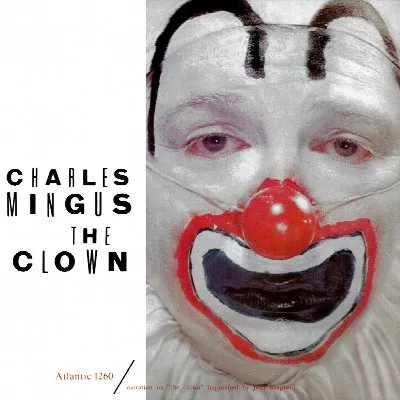
The Clown
1957
It continues the album’s mix of composed ensemble jazz and theatrical narration, with a more developed dramatic arc.
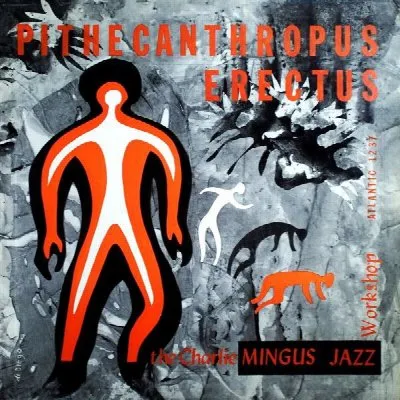
Pithecanthropus Erectus
1956
Its adventurous compositions and vivid ensemble interplay lead naturally into the current album’s experimental approach.
If this landed
Records by other artists that run on the same instinct.
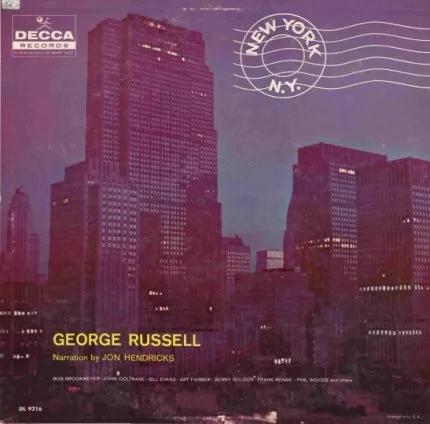
Reference: Wikipedia · MusicBrainz · Wikidata
Sync your library
Everything you track here works immediately — no account needed. Create one when you want to sync across devices.