

Why Thelonious Monk Is Worth Your Time
Dive into Monk's playful yet profound jazz explorations.
Thelonious Monk matters not just for his role in the development of jazz, but for how he reshaped the very vocabulary of music through his playful yet profound exploration of harmony and rhythm.
Thelonious Monk's music is a captivating blend of complex melodies and rhythmic playfulness, making him a key figure in the evolution of jazz. His unique approach to improvisation and composition invites listeners to engage deeply with each piece, transforming how we experience music. If you're curious about the intricate dance between harmony and rhythm, Monk's work offers a rewarding explorat...
What they sound like
Monk's sound features angular melodies with playful syncopations that create a rich tapestry of rhythm and silence.
You'll like this if
You'll connect with this if you appreciate innovative jazz that challenges traditional structures and invites deep listening.
Start here
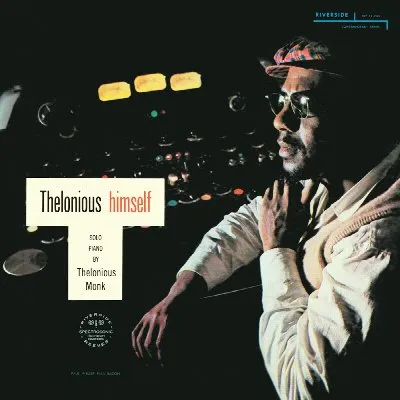
Thelonious Himself
1957
Best starting point
Features a catchy melody and rhythm that encapsulates Monk's playful syncopation and angular melodies, making it a strong introduction.
Is this for you?
Good fit if you like
- two contrasting round midnight readings
- patience for a twenty-two-minute in-progress
- quiet reflection through familiar standards
- brief pieces beside extended meditations
Maybe skip if you
- prefer every piece under ten
- avoid unfinished extended explorations
Songs to start with
If you'd rather pick a song than an album.
-
1
"Four in One" — from Genius of Modern Music: Volume 2 (1952)
opens the album and establishes its sound
-
2
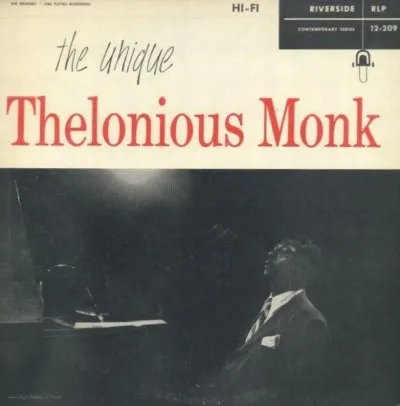
"Liza (All the Clouds'll Roll Away)" — from The Unique (1956)
album-opening entry into the standards set
-
3
"Blue Monk" — from Thelonious Monk Trio (1954)
opens with a clear, representative blues mood
-
4
"Liza (All the Clouds’ll Roll Away)" — from Monk (1964)
accessible opening that establishes the album's sound
-
5
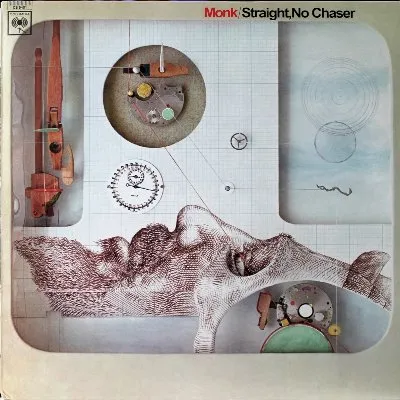
"Locomotive" — from Straight, No Chaser (1967)
establishes the album's sound immediately
-
6
"Lulu’s Back in Town" — from It's Monk's Time (1964)
opens the album and establishes its jazz setting
Listening paths
Pick a path through Thelonious Monk's catalog.
Explore the core of Monk's genius and musical evolution.
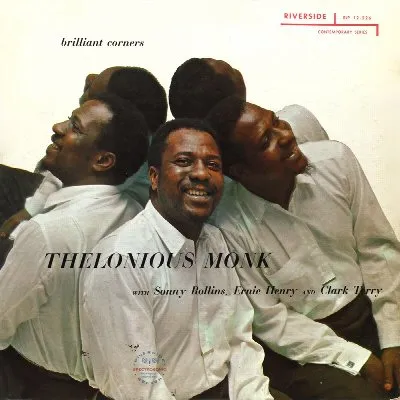
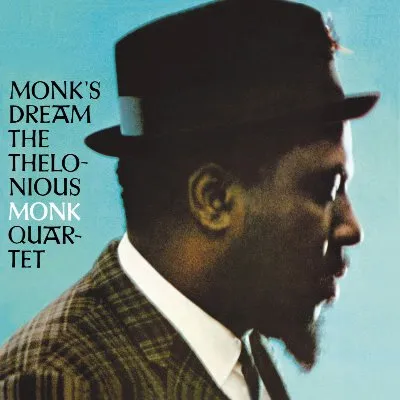
A smooth entry into Monk's captivating musical world.
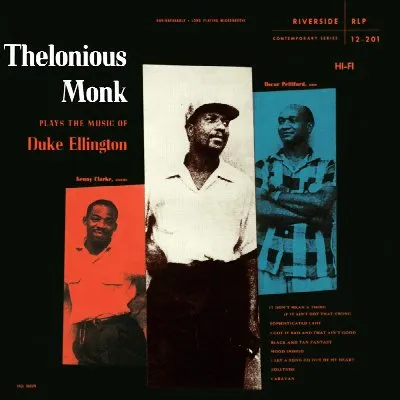
Delve deep into Monk's adventurous and varied sound.
Go deeper
Common questions
Where should I start with Thelonious Monk?
Start with Thelonious Himself (1957). 'Thelonious Himself' is a introduction as it highlights Monk’s distinct voice in a solo context, allowing listeners to fully appreciate his innovative approach without distractions from other instruments.
What does Thelonious Monk sound like?
Monk's sound features angular melodies with playful syncopations that create a rich tapestry of rhythm and silence. Rooted in bebop and hard bop.
Who is Thelonious Monk for?
You'll connect with this if you appreciate innovative jazz that challenges traditional structures and invites deep listening.
How many albums does Thelonious Monk have?
Thelonious Monk has 66 releases in their discography, including 39 albums.