

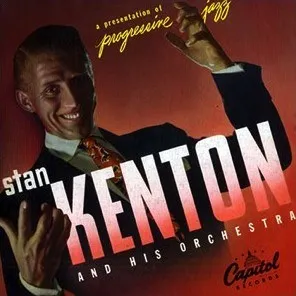
A Presentation of Progressive Jazz
Stan Kenton · 1948
24 min · 12 tracks · jazz
Dynamic orchestral arrangements fuse with intricate rhythms and improvisational flair, defining the essence of progressive jazz in the late 1940s.
Top tracks — play these first
-
→
Cuban Carnival — This track showcases Kenton's ability to merge Latin influences with big band jazz, setting a vibrant tone for the album's exploration of diverse rhythms.
-
→
Lonely Woman — The arrangement features haunting melodies and rich harmonies, illustrating Kenton's capacity to convey deep emotion through orchestral jazz.
-
→
Impressionism — With its complex time signatures and atmospheric textures, this track exemplifies the avant-garde spirit that defines much of Kenton's work during this period.
Is this for you?
Good fit if you like
- vibrant orchestral arrangements
- short progressive listening journey
- intricate rhythms for engagement
- front-loaded energetic experience
Maybe skip if you
- seekers of long albums
- prefer straightforward melodies
Where this album fits
- Career context
- In 1948, Stan Kenton was at a pivotal moment in his career, having just solidified his reputation as a leading figure in progressive jazz. This album followed his successful orchestral innovations and marked a significant step toward establishing a unique sound that would influence many future jazz musicians.
- Stylistic neighbors
- Buddy Rich· Maynard Ferguson· Bill Holman
Tracklist
Best experienced from track one — press play and let it unfold.
- 1 Cuban Carnival 2:46
- 2 Monotony 2:56
- 3 Lonely Woman 3:31
- 4 Lament 3:08
- 5 Thermopolae
- 6 Theme for Alto
- 7 Impressionism 3:03
- 8 Elegy for Alto 3:11
- 9 This Is My Theme 3:16
- 10 Fugue for Rhythm Section 3:00
- 11 Introduction to a Latin Rhythm
- 12 Come Rain or Come Shine

Reference: Wikipedia · MusicBrainz · Wikidata
Sync your library
Everything you track here works immediately — no account needed. Create one when you want to sync across devices.