

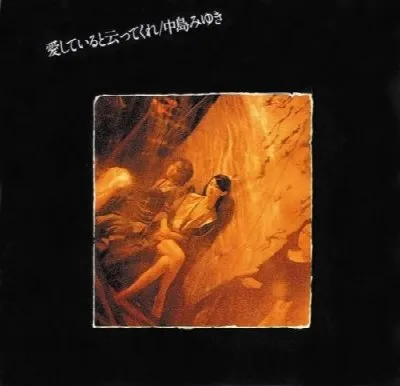
Aishiteiru to Ittekure
1978 40 min 9 tracks traditional folk music
Elevation 76 /100 AlpineNakajima’s voice moves from intimate folk storytelling to a choral surge that gives the album’s final protest a striking scale.
Is this for you?
Good fit if you like
- steady flow with emotional depth
- poignant introspection for quiet moments
- rich melodies for thoughtful listening
- gradual development through each track
Maybe skip if you
- seeking instant gratification
- prefer upbeat party atmospheres
Recommended tracks
Top tracks — play these first
-
わかれうた Start here — Nakajima turns a breakup into an inexorable journey, delivering the song’s resignation with the directness that helped make it a hit.
-
化粧 — The repeated effort to put on makeup becomes the center of a dramatic performance, with composure repeatedly threatened by grief.
-
あほう鳥 — Its image of a seabird gives the album’s sense of isolation a wider horizon, while Nakajima’s vocal keeps the metaphor grounded in human vulnerability.
-
世情 — The closing track expands from a personal voice into a choral statement, giving the record an unusually public and confrontational ending.
Elevation
Our rating, out of 100 — and why.
AI-generated from five scored dimensions. An opinion, not a measurement. How Elevation works
The album's storytelling and traditional arrangements create a strong emotional resonance, marking it as a notable work in Japanese folk music.
What we noticed
- The album opens with a lively track that sets a warm tone, followed by more introspective songs that explore themes of love and loss.
- Each song features traditional instrumentation, often highlighting the koto and shamisen, which are integral to the folk sound.
- The lyrics are deeply narrative, with each track telling a distinct story that reflects personal and societal emotions of the time.
- Composition 25% of the score
-
7/10
- Craft 20% of the score
-
8/10
- Durability 25% of the score
-
6/10
- Distinctiveness 18% of the score
-
7/10
- Sequencing 12% of the score
-
8/10
the writing — melody, harmony, structure, lyrics
production, performance, arrangement
whether it rewards returning to it
whether it sounds like itself
running order, pacing, length
The score is the weighted average of these five, then scaled to spread the range — the scaling never changes which of two albums scores higher.
Significant within its genre. Reported but not counted — how far a record travelled describes its reception rather than the record, and a newer release has had less time to travel than an older one.
Tracklist
- 1 「元気ですか」 Start here 2:57
- 2 怜子 Start here 2:44
- 3 わかれうた Start here 4:04
- 4 海鳴り Start here 3:30
- 5 化粧 Start here 5:12
- 6 ミルク32 4:36
- 7 あほう鳥 Start here 4:15
- 8 おまえの家 Start here 6:43
- 9 世情 Start here 6:14
Where this album fits
- In the catalog
- Breakthrough — This album marked a significant moment in Nakajima's rise to prominence.
- Themes
- 1970s Japanese social unease· makeup after heartbreak· Japanese parting songs
- Career context
- Released in 1978, Aishiteiru to Ittekure was Miyuki Nakajima’s fourth studio album, following 1977’s A Ri Ga To U. It arrived after her single わかれうた had brought her a major commercial breakthrough.
- Stylistic neighbors
- Takuro Yoshida· Chiharu Matsuyama· Masashi Sada
Keep listening
What to play next

Shin'ai Naru Mono e
1979
Continues the emotional storytelling with a similar folk sound.
Arigatō
1977
Sets the stage with its own heartfelt narratives and folk influences.
Own the record
Some of these are affiliate links: a purchase may earn Northsound a small commission, at no cost to you. It never decides what we recommend or how we score.
Sources
The Weekly Dispatch
One record worth your time, every week — picked the way this page is.
One short email. Free, unsubscribe anytime. Read this week's.
Sync your library
Everything you track here works immediately — no account needed. Create one when you want to sync across devices.