


The Northsound field guide
Where to start with Miyuki Nakajima
A journey through heartfelt narratives woven in folk traditions.
Miyuki Nakajima's music invites listeners into a world of emotional storytelling and cultural resonance. With roots in traditional folk, her songs explore personal and communal experiences, making them deeply relatable.
- What they sound like
- Miyuki Nakajima combines traditional folk textures with intimate storytelling.
- You'll like this if
- You'll connect with this if you appreciate narrative-driven music that evokes deep emotions.
01 · Your first stop
Start here.
New to Miyuki Nakajima? You don’t need to hear everything. Start with this.

Your first album
Oiro Naoshi
1985 ·Best starting point
Easily approachable albums for casual listeners.
Good fit if you like
- steady mid-tempo emotional flow
- intimate storytelling for quiet moments
- reflective listening during solitude
- warm melodies for cozy evenings
Maybe skip if you
- seeking high-energy tracks
- prefer short, standalone songs
02 · Track by track
Songs to start with
If you would rather start with a song than an album.
-
1
“タクシードライバー”
from Shin'ai Naru Mono e (1979)
This track stands out for its vivid storytelling that paints a picture of urban life through the eyes of a taxi driver, combining personal reflection with social critique.
-
2
“蕎麦屋”
from Ikiteite mo Ii Desu ka (1980)
The everyday setting of a noodle shop gives Nakajima a place to work with ordinary conversation and loneliness rather than grand declarations.
-
3
“ひとり上手”
from Ringetsu (1981)
-
4
“ばいばいどくおぶざべい”
from Yokan (1983)
Its unhurried six-and-a-half-minute span gives Nakajima room to develop the song as a sustained piece of storytelling.
-
5
“僕は青い鳥”
from Hajimemashite (1984)
This opening track introduces Nakajima's signature style, combining rich melodies with introspective lyrics about hope and longing. Its captivating arrangement sets the tone for the entire album.
03 · The trail ahead
Listening paths
Pick a route through Miyuki Nakajima's catalog.
A focused journey through her signature songwriting, reinvention, and later voice.
-
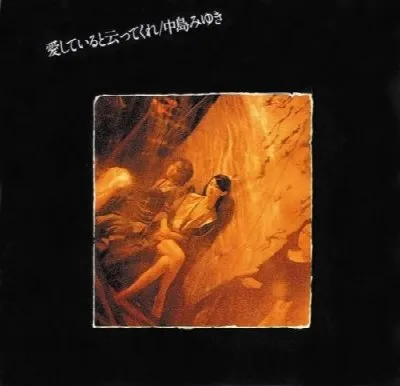
1Aishiteiru to Ittekure (1978) Begin with the intimate songwriting that establishes her emotional core.
-
2Kansuigyo (1982) Deepen the journey with a more assured, expansive early statement.
-
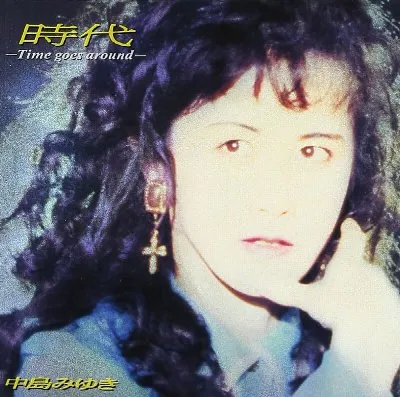
3Jidai: Time Goes Around (1993) Hear her revisit familiar songs and reflect on their changing meaning.
-
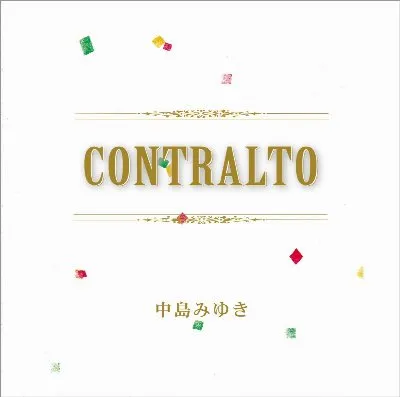
4CONTRALTO (2020) Close with a mature perspective shaped by decades of songwriting.
Start with familiar melodies and clear songwriting, then move into richer moods.
-
1Jidai: Time Goes Around (1993) Revisited songs make this a welcoming overview of her writing.
-
2Okaerinasai (1979) Its song-centered approach offers an inviting next step.
-
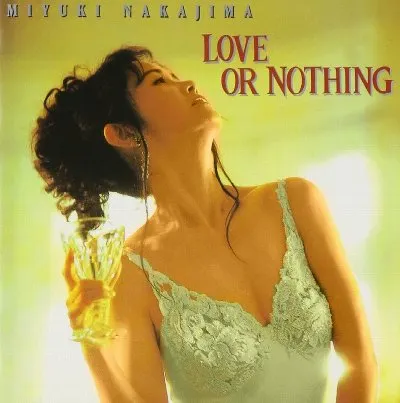
3Love or Nothing (1994) Move into a later, polished set while keeping the focus on melody.
-
4Kansuigyo (1982) Finish with a more intense and substantial early album.
Follow her into theatrical forms, shifting moods, and later-career textures.
-
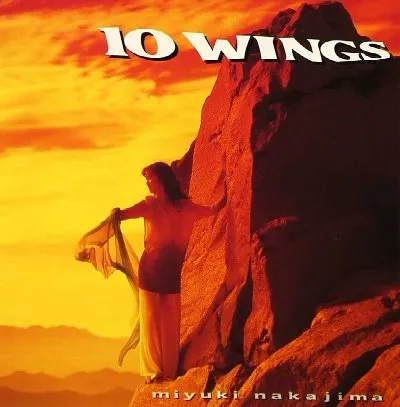
110 Wings (1995) Its concept-driven scope opens a less conventional side of her catalog.
-
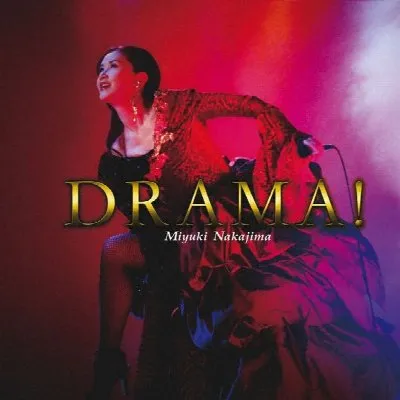
2DRAMA! (2009) Explore songs shaped around dramatic scenes and characters.
-
3Musical Suite (2015) Push further into suite-like, theatrical songwriting.
-
4Midnight Zoo (2010) End with a distinctive later-era set of contrasting moods.
04 · Beyond this guide
Where to go next
-
Takuro Yoshida His folk-rooted songs pair direct, conversational singing with acoustic arrangements and a strong focus on storytelling. Start with GOLDEN☆BEST (2002)
-
Chiharu Matsuyama Listen for a resonant, emotionally expressive voice set against uncluttered folk and singer-songwriter arrangements. Start with Message (1988)

-
Masashi Sada His intimate, lyric-led ballads use gentle acoustic accompaniment to give personal stories emotional weight. Start with 夢供養 (1979)


05 · Keep exploring
The Weekly Dispatch
Every Tuesday, a few more places to start listening.
One short email. Free, unsubscribe anytime. Read this week's.
Common questions
Where should I start with Miyuki Nakajima?
Start with Oiro Naoshi (1985). Easily approachable albums for casual listeners.
Which Miyuki Nakajima songs should I hear first?
Start with "タクシードライバー" from Shin'ai Naru Mono e, "蕎麦屋" from Ikiteite mo Ii Desu ka, "ひとり上手" from Ringetsu and "ばいばいどくおぶざべい" from Yokan.
What does Miyuki Nakajima sound like?
Miyuki Nakajima combines traditional folk textures with intimate storytelling. Rooted in traditional folk music.
In what order should I listen to Miyuki Nakajima's albums?
In release order: "Shin'ai Naru Mono e" (1979), "Ikiteite mo Ii Desu ka" (1980), "Ringetsu" (1981), "Yokan" (1983), "Hajimemashite" (1984), "Oiro Naoshi" (1985), "Miss M." (1985), "Short Stories" (2000), "Otogibanashi: Fairy Ring" (2002) and "Love Letter" (2003). New listeners can start with "Oiro Naoshi" and work outward in either direction.
Which artists should I listen to after Miyuki Nakajima?
Try Takuro Yoshida (start with "GOLDEN☆BEST"), Chiharu Matsuyama (start with "Message") and Masashi Sada (start with "夢供養").