

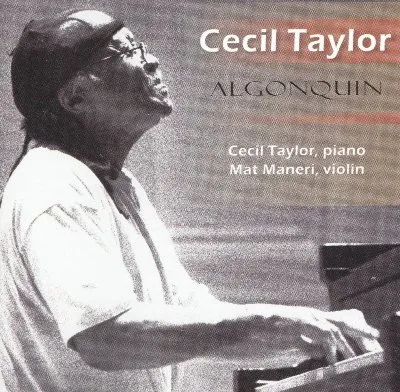
Algonquin
Cecil Taylor · 2004
54 min · 4 tracks · jazz
A sprawling avant-garde exploration where dissonant piano phrases intertwine with rhythmic intensity and ethereal soundscapes.
Top tracks — play these first
-
→
Algonquin, Part 1 — This nearly half-hour opener sets the tone for the entire album with its intricate layers of piano motifs and avant-garde improvisation, establishing Taylor's unique sonic landscape.
-
→
Algonquin, Part 3 — Part 3 features a remarkable interplay between dissonance and melody, showcasing Taylor's ability to blend chaos with moments of lyrical beauty.
-
→
Algonquin, Part 4 — The closing segment encapsulates the album's themes through dynamic shifts and emotional depth, culminating in a powerful statement on the nature of musical exploration.
Elevation
Our rating, out of 100 — and why.
AI-generated from five scored dimensions. An opinion, not a measurement.
InstrumentalThe album showcases intricate improvisation and strong cohesion across its lengthy tracks.
What we noticed
- The album consists of four lengthy improvisational pieces, each exploring different themes and textures within a free jazz framework.
- Each part features a dynamic interplay between piano and other instruments, with shifts in tempo and intensity that create a sense of conversation.
- The transitions between sections are fluid, often blurring the lines between distinct movements while maintaining an overarching coherence.
- Composition 25% of the score
-
8/10
- Craft 20% of the score
-
9/10
- Durability 25% of the score
-
7/10
- Distinctiveness 18% of the score
-
9/10
- Sequencing 12% of the score
-
8/10
the writing — melody, harmony, structure, lyrics
production, performance, arrangement
whether it rewards returning to it
whether it sounds like itself
running order, pacing, length
Known within its scene. Reported but not counted — how far a record travelled describes its reception rather than the record, and a newer release has had less time to travel than an older one.
Where this album fits
- In the catalog
- Late Career Highlight — Shows continued vitality and exploration in Taylor's late career.
- Themes
- free-jazz improvisation· dissonant piano cascades· long-form rhythmic exploration
- Career context
- When Cecil Taylor released Algonquin in 2004, he was a revered figure in avant-garde jazz, known for his innovative approach to improvisation. This album came several decades after his groundbreaking works of the 1960s and 70s, showcasing his continued evolution as an artist and performer. At this point, Taylor had shifted towards more conceptual compositions, emphasizing long-form pieces that allowed for deeper exploration of sound and rhythm.
- Stylistic neighbors
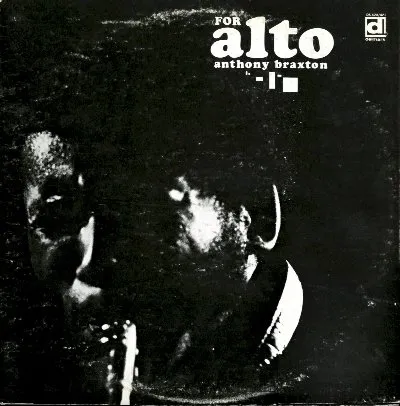
- Sun Ra· Ornette Coleman· Anthony Braxton
Tracklist
Best experienced from track one — press play and let it unfold.
- 1 Algonquin, Part 1 30:36
- 2 Algonquin, Part 2 4:12
- 3 Algonquin, Part 3 6:34
- 4 Algonquin, Part 4 13:21
What to play next
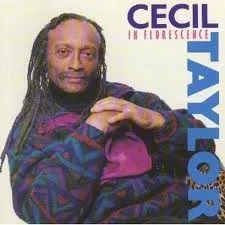
In Florescence
1990
Continues the avant-garde exploration with rich textures and complex structures.
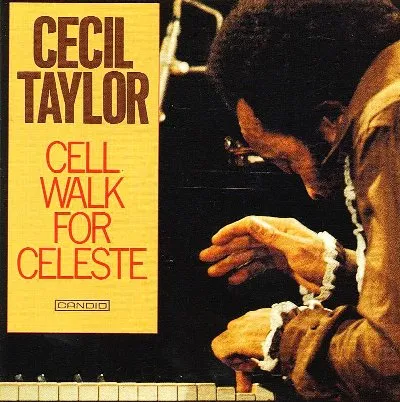
Cell Walk for Celeste
1988
Sets the stage with intricate piano work and thematic depth.
If this landed
Records by other artists that run on the same instinct.
Reference: Wikipedia · MusicBrainz · Wikidata
Sync your library
Everything you track here works immediately — no account needed. Create one when you want to sync across devices.