

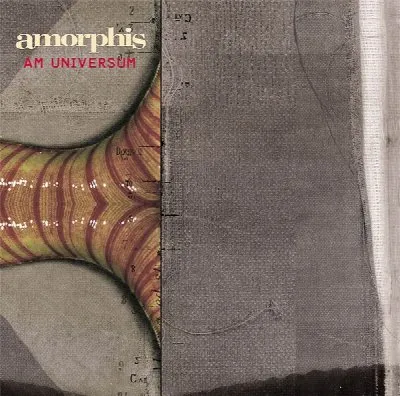
Am Universum
Amorphis · 2001
49 min · 10 tracks · progressive metal
A sprawling blend of melodic death metal and progressive elements, rich with atmospheric textures and profound lyrical depth.
Top tracks — play these first
-
→
Alone Start here — establishes the sonic palette early
-
→
Goddess (of the Sad Man) — This track exemplifies the album's fusion of melodic elements with heavy riffs, showcasing both lyrical introspection and musical complexity.
-
→
Shatters Within — A standout track that highlights the band's ability to weave haunting melodies into aggressive instrumentation, illustrating their unique sonic identity.
-
→
Drifting Memories — This song features a poignant balance of soft vocals and powerful guitar work, effectively capturing the emotional core of the album.
-
→
Veil of Sin — With its intricate arrangements and shifting dynamics, this track serves as a prime example of Amorphis's progressive influences alongside their metal roots.
Is this for you?
Good fit if you like
- long, immersive listening sessions
- dynamic emotional journeys
- atmospheric background focus
- gradual builds and payoffs
Where this album fits
- In the catalog
- Breakthrough — Solidified Amorphis's presence in the metal scene post-commercial success.
- Themes
- Finnish mythology· inner turmoil
- Career context
- Am Universum is the sixth studio album by Amorphis, released in 2001 during a transformative phase for the band. Following the commercial success of their previous album, Eclipse, this release marked a continued evolution in their sound, embracing more atmospheric and melodic influences while retaining their heavy roots.
- Stylistic neighbors
- Opeth· Insomnium· Swallow the Sun
Tracklist
- 1 Alone Start here 6:18
- 2 Goddess (of the Sad Man) 4:00
- 3 The Night Is Over 4:04
- 4 Shatters Within 5:22
- 5 Crimson Wave 4:45
- 6 Drifting Memories 4:24
- 7 Forever More 4:30
- 8 Veil of Sin 5:10
- 9 Captured State 4:28
- 10 Grieve Stricken Heart 6:42

Reference: Wikipedia · MusicBrainz · Wikidata
Sync your library
Everything you track here works immediately — no account needed. Create one when you want to sync across devices.